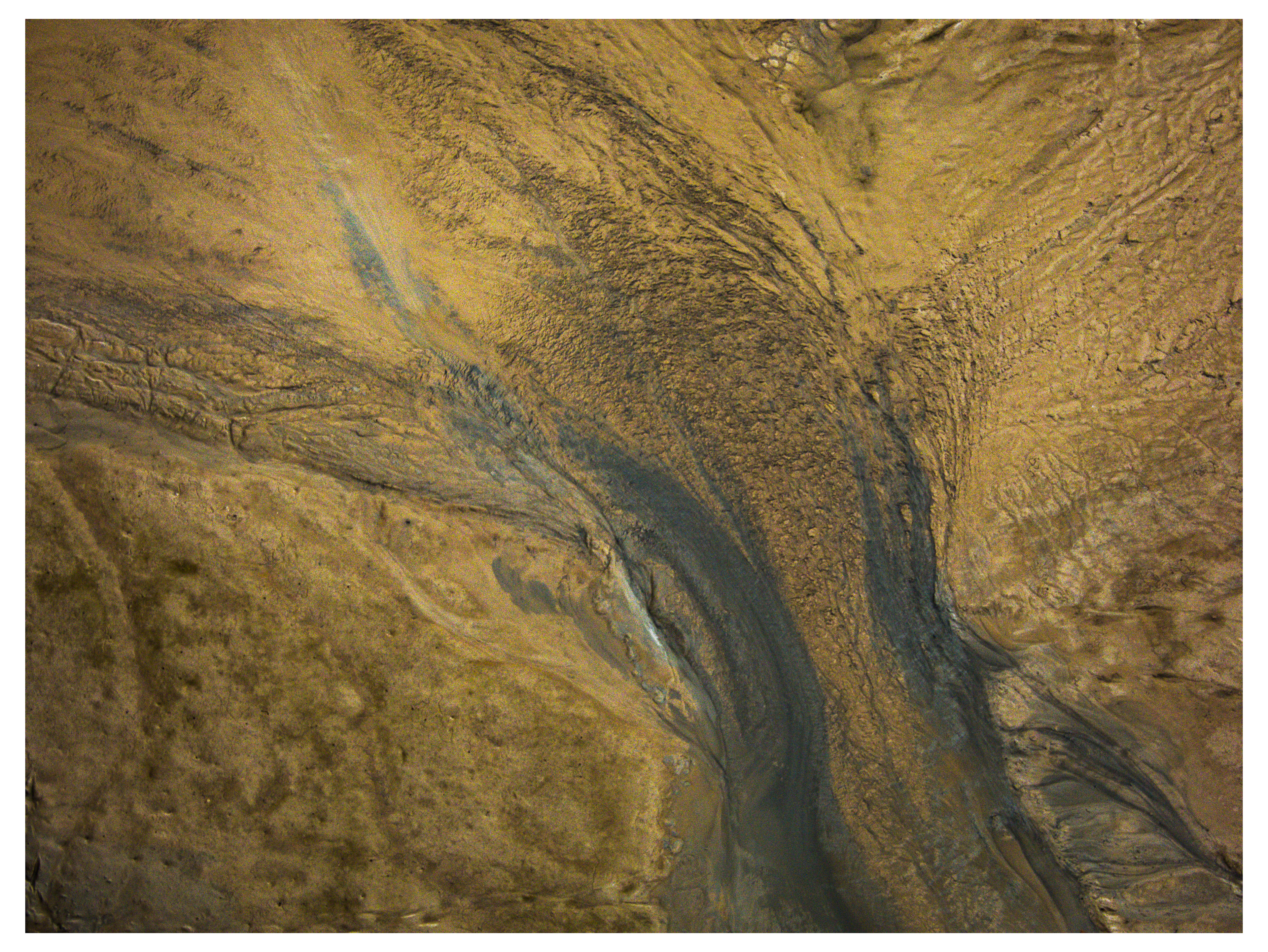
Marina mud 1
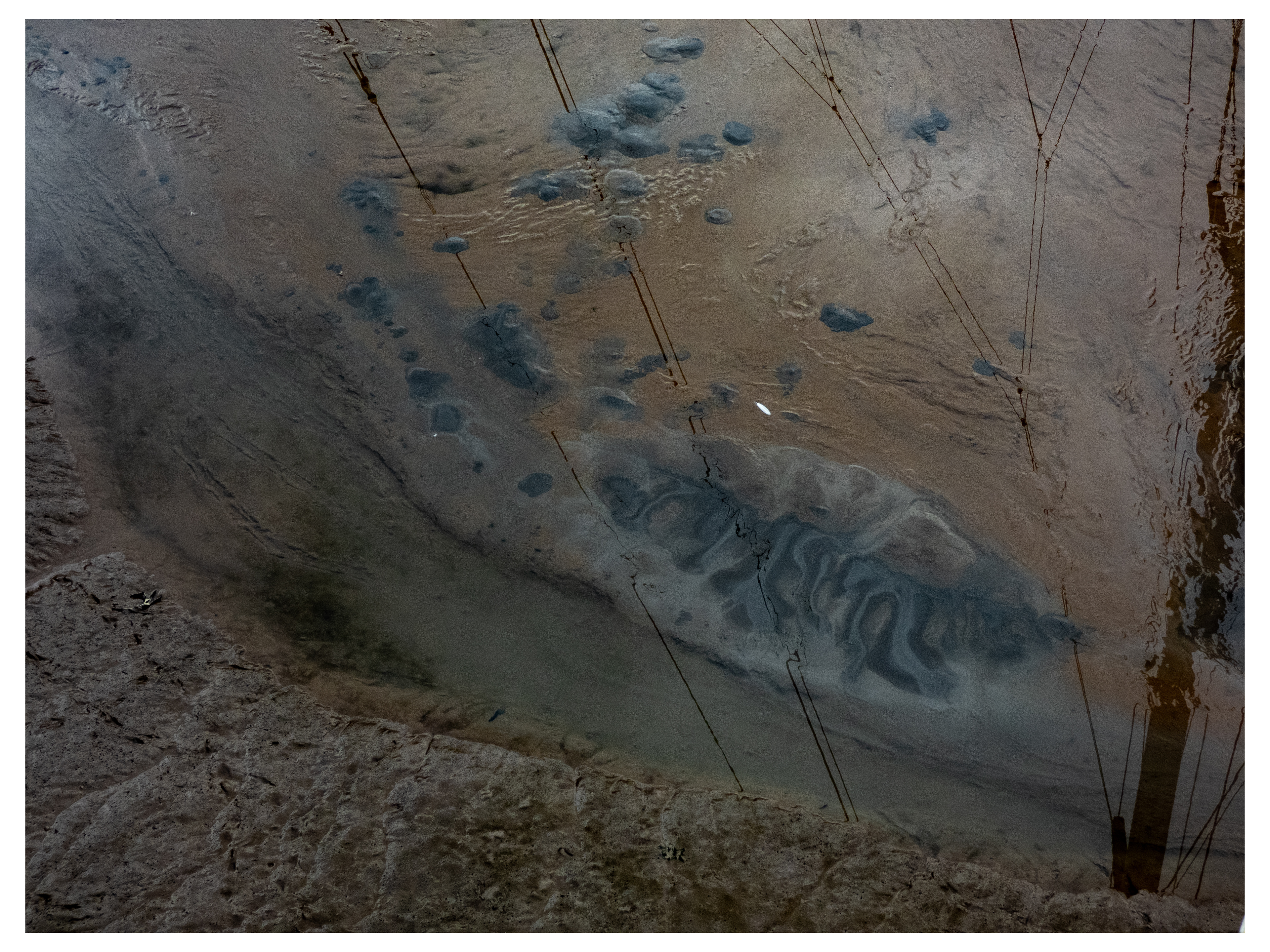
Marina mud 2
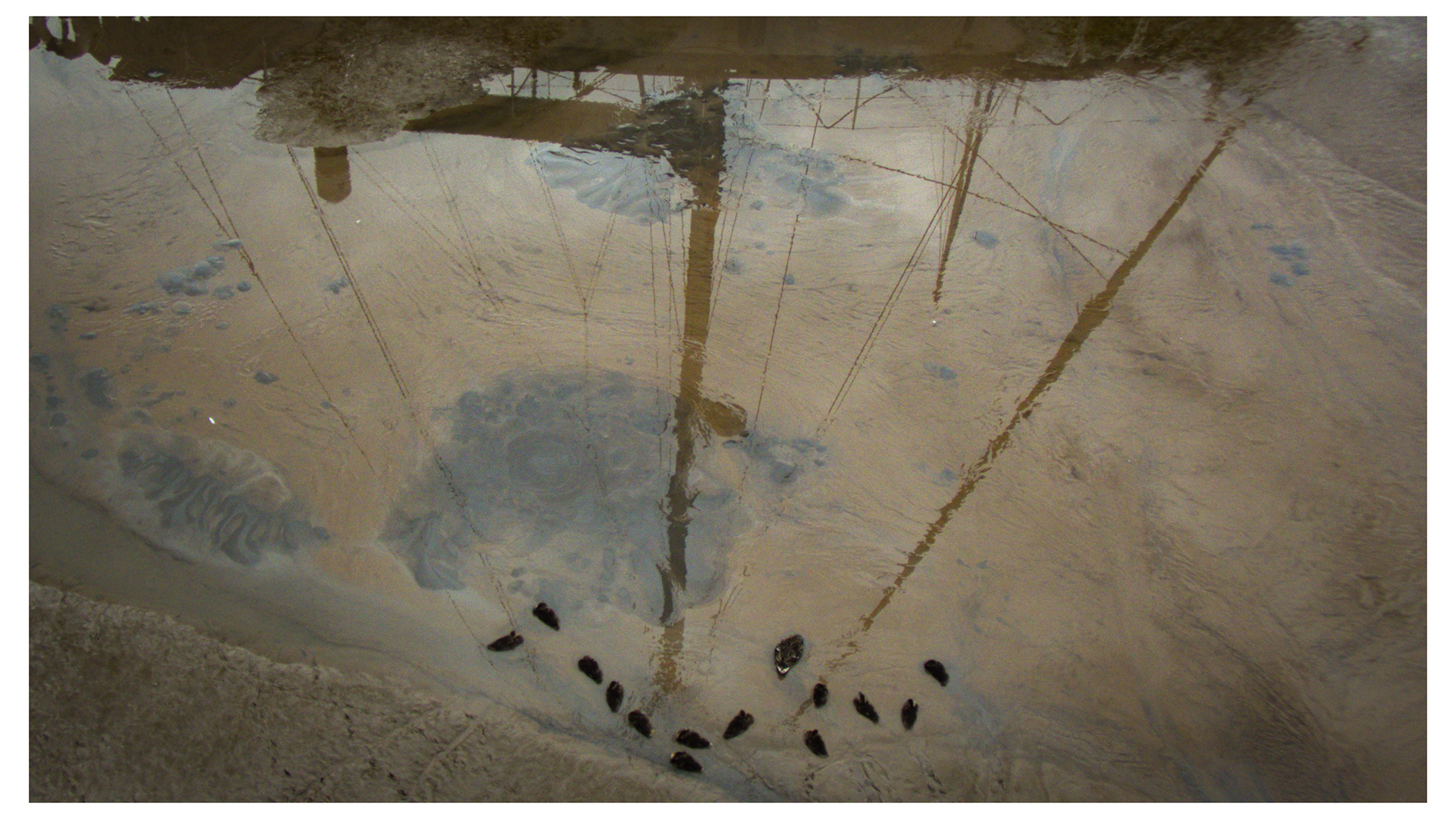
Bakers dozen
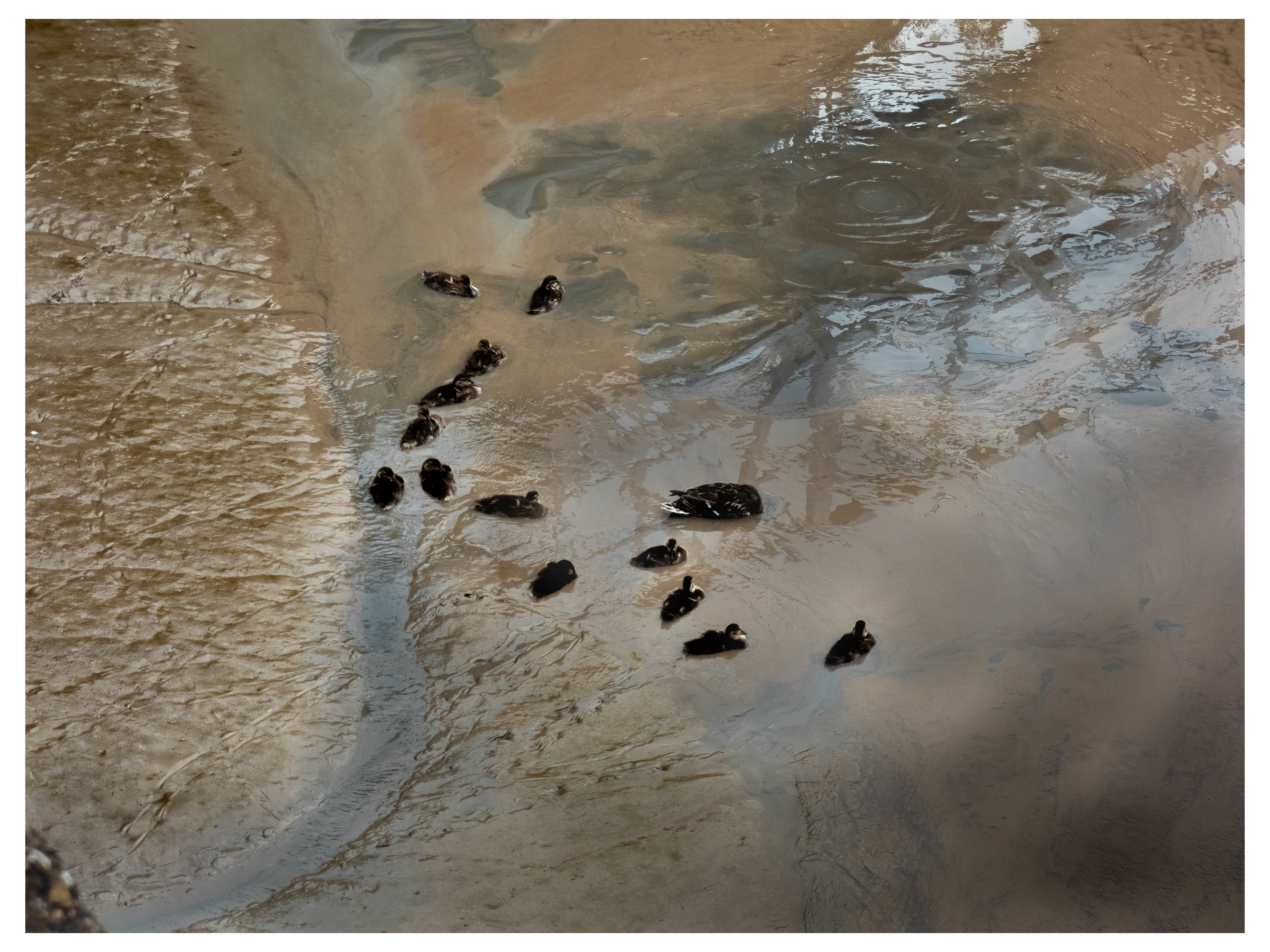
Bakers dozen 2
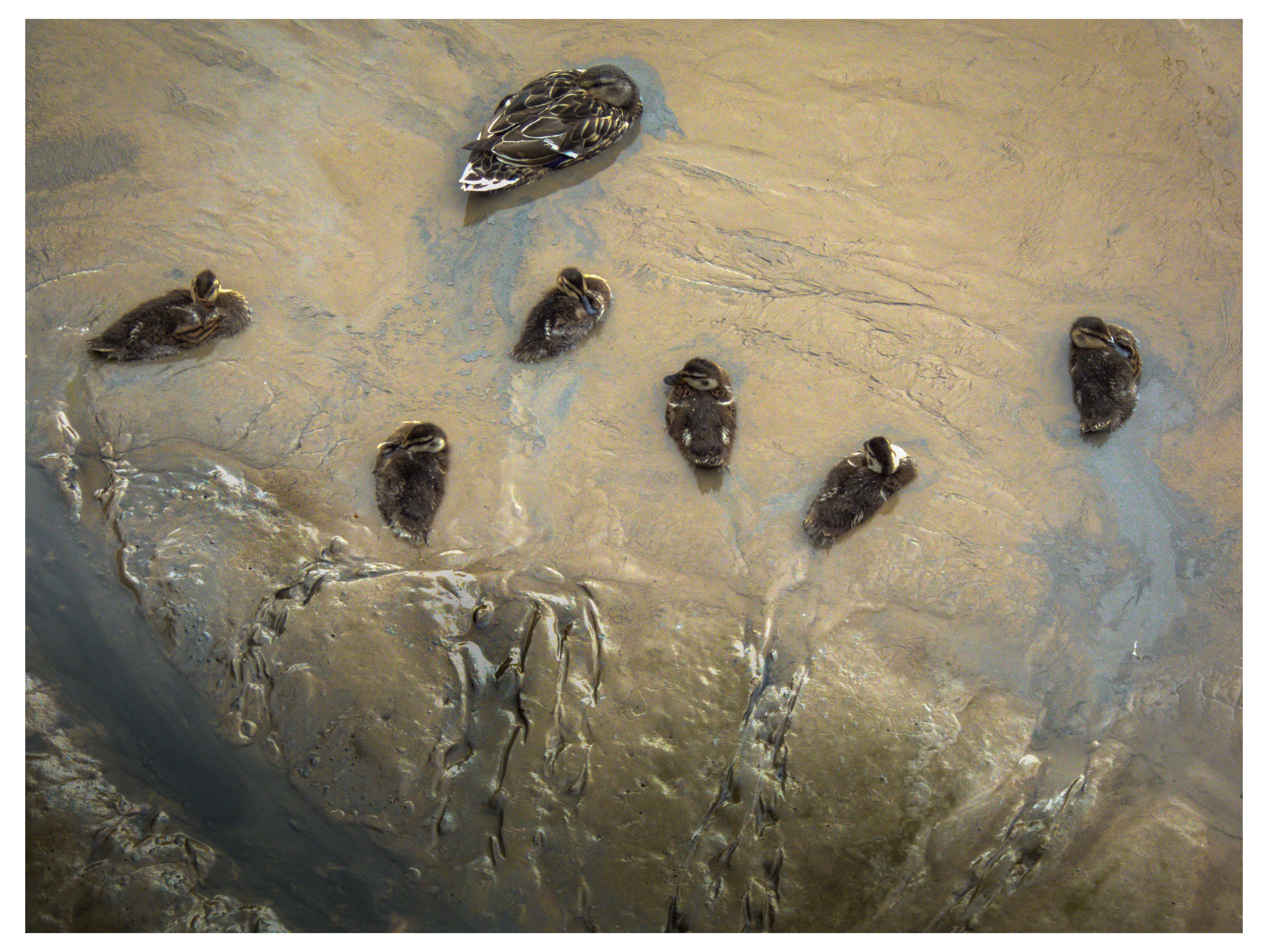
Another fine mess you have got us into!
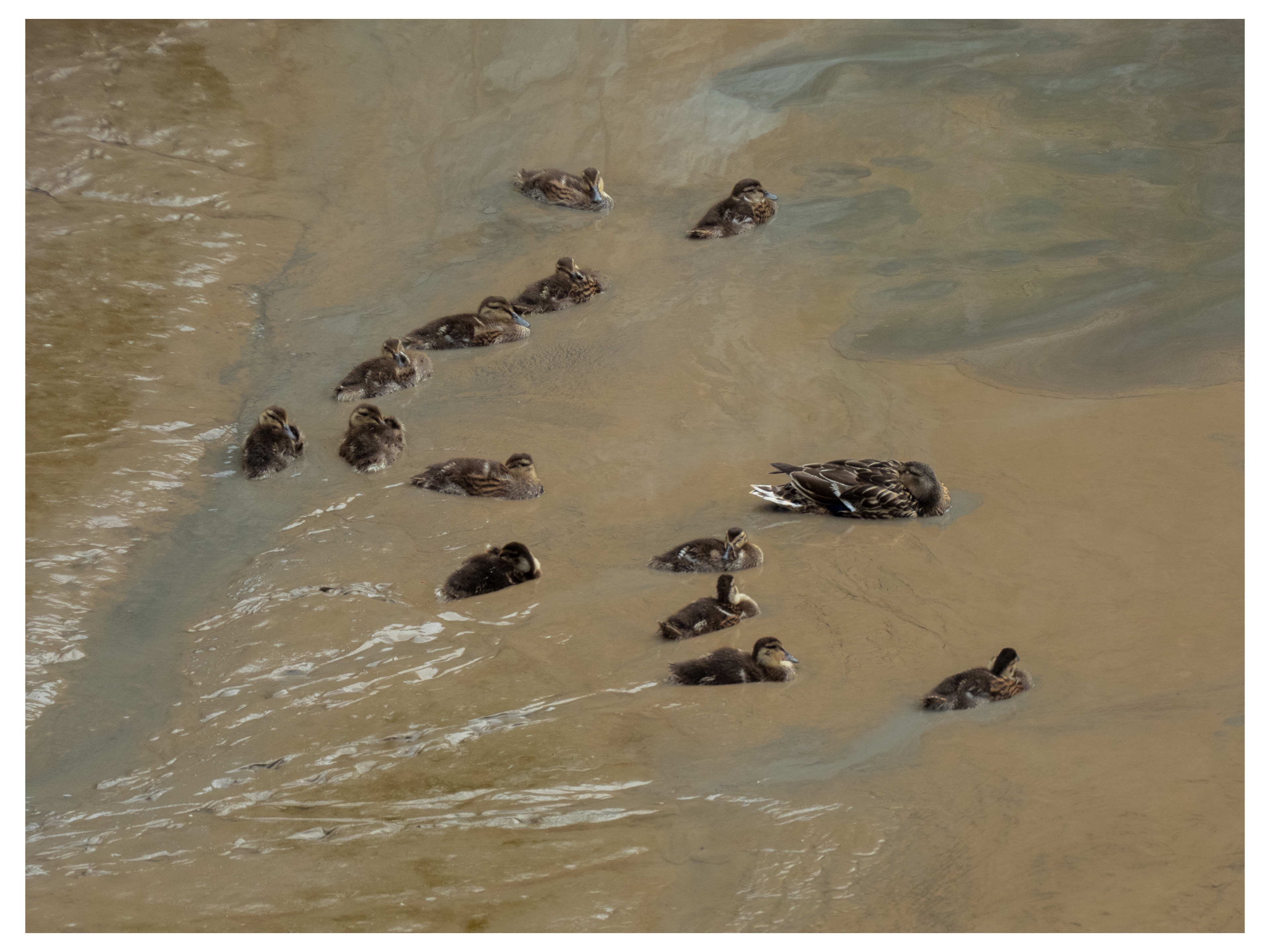
Snoozing in the ooze.
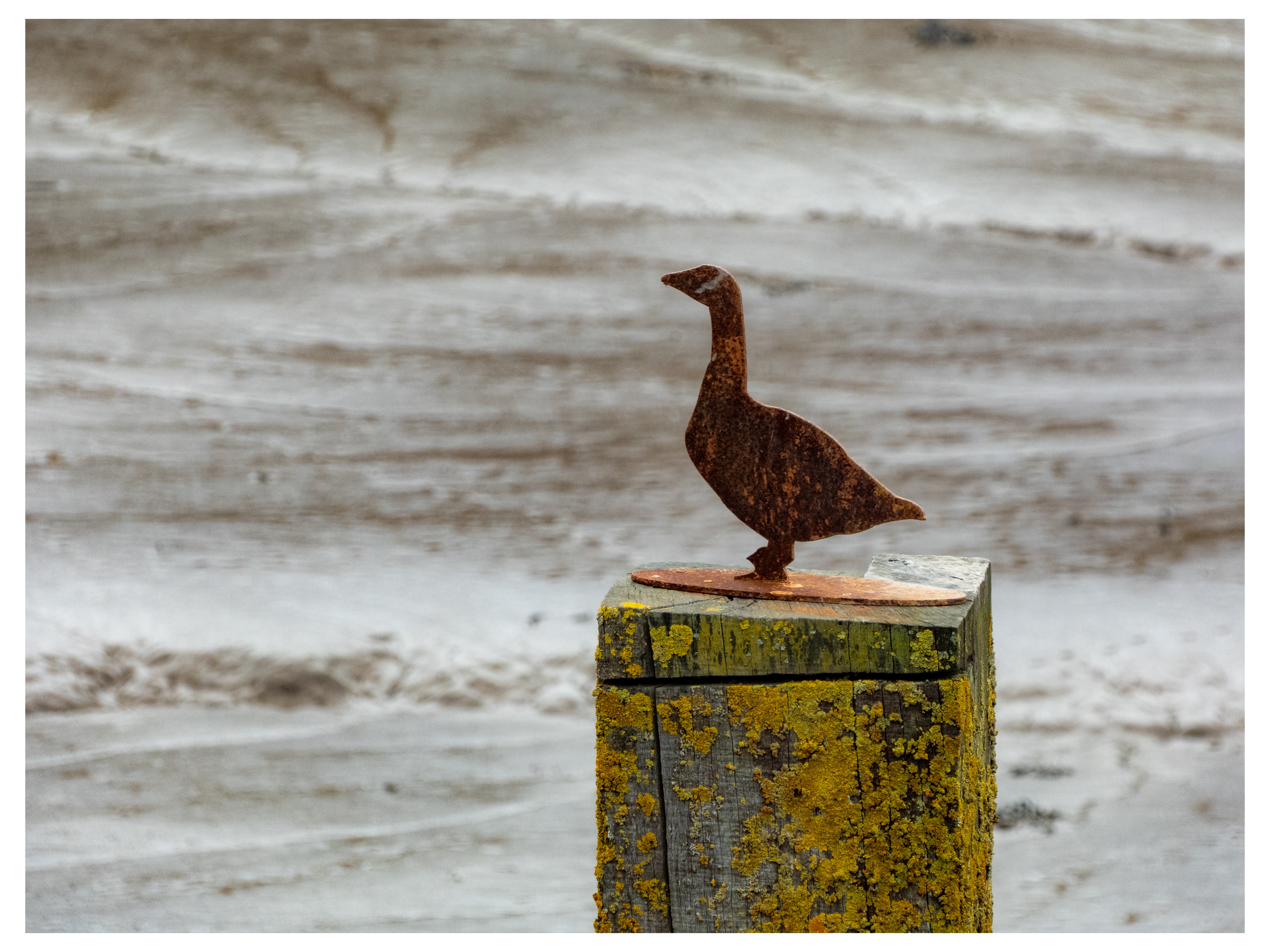
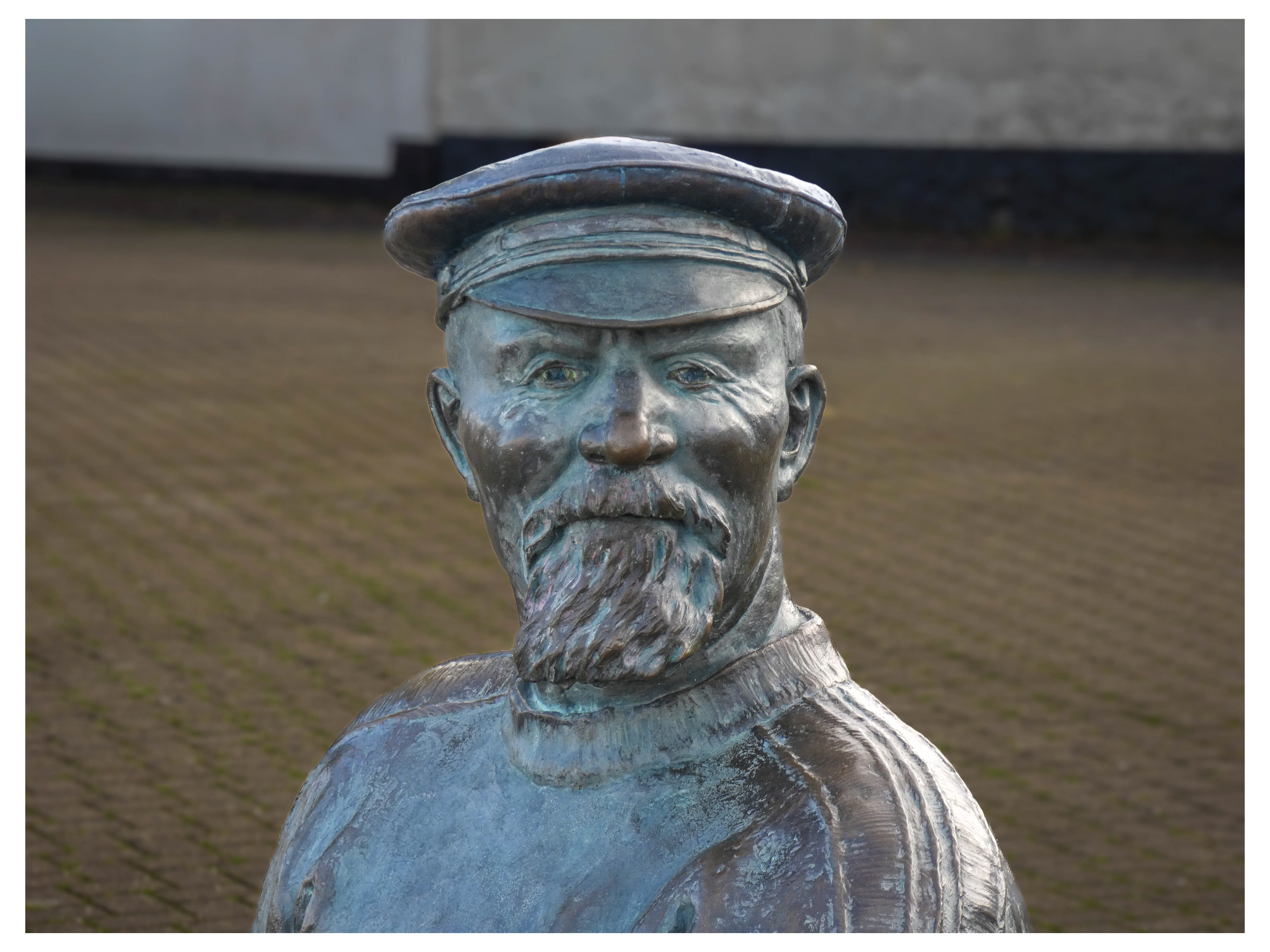
Derek
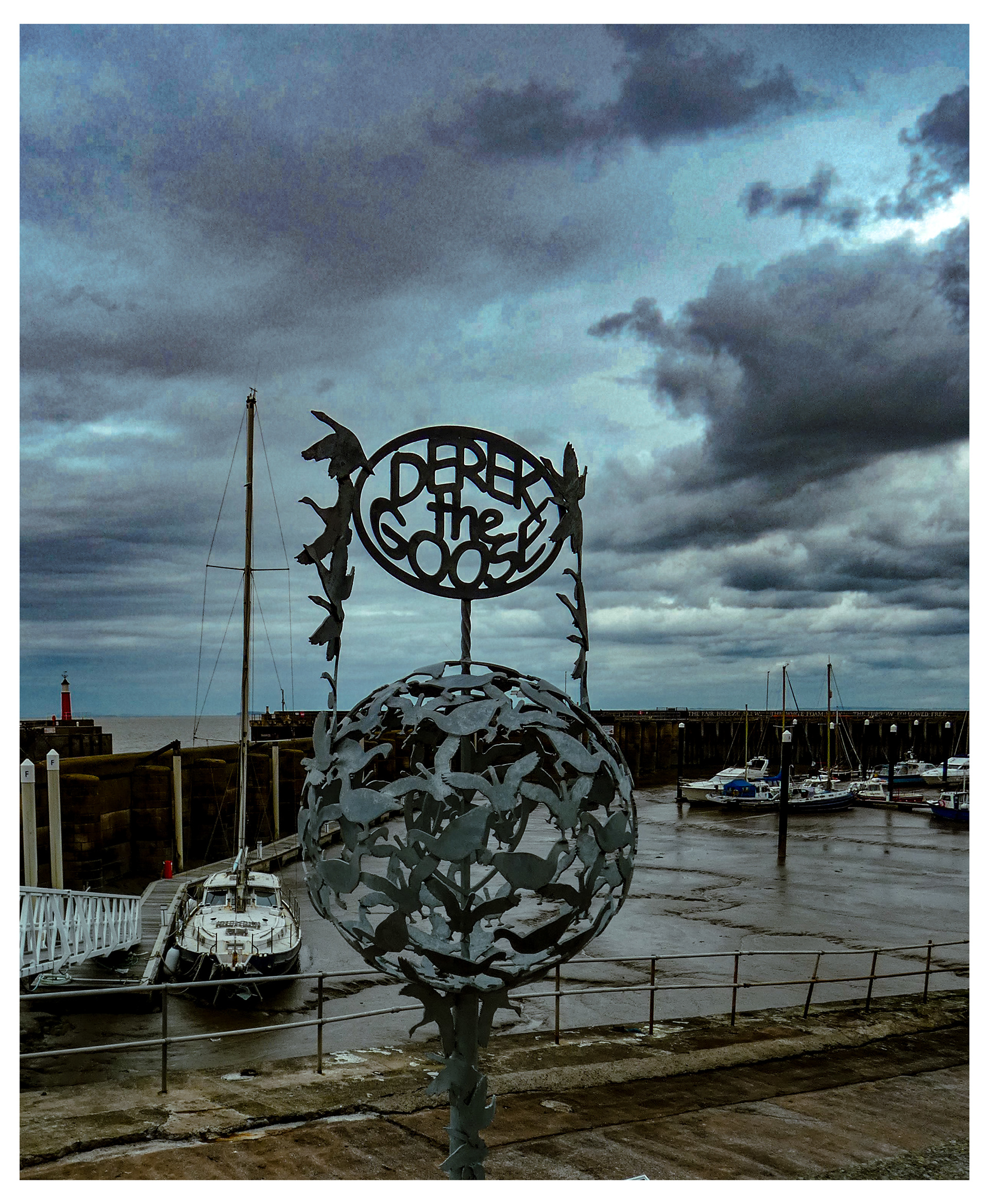
Remembering Derek
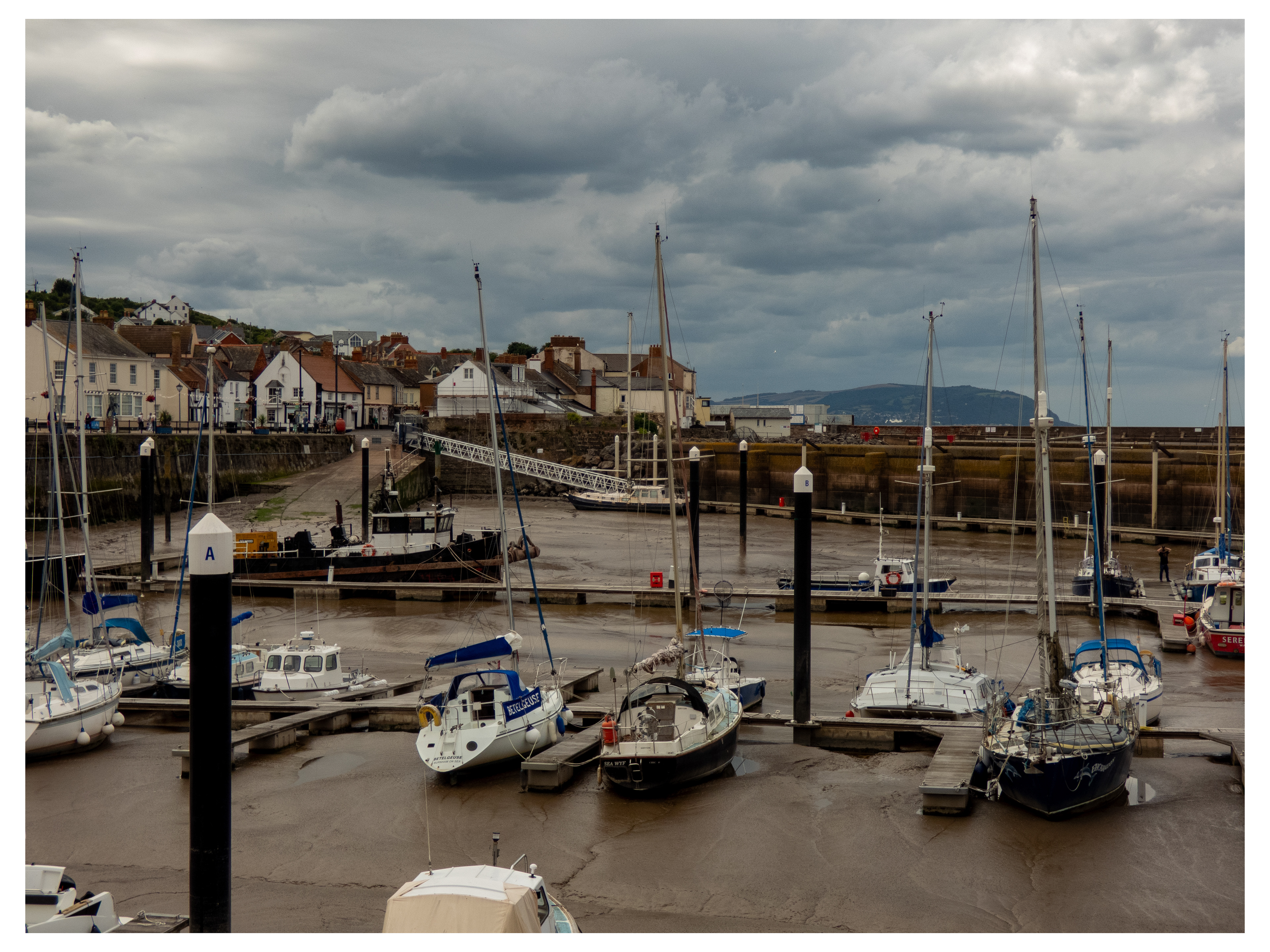
Storm clouds ahead?
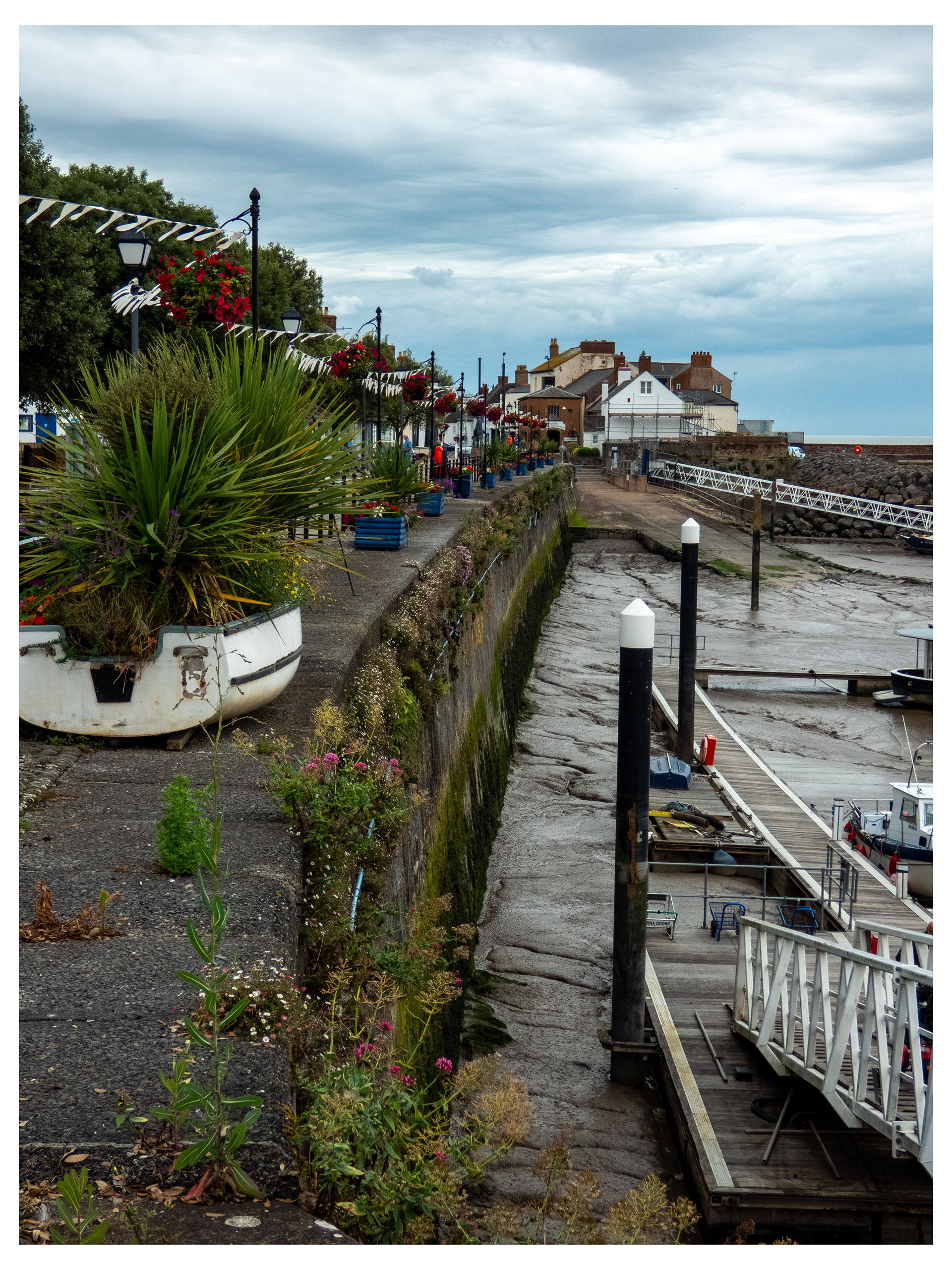
Jackob's ladders?
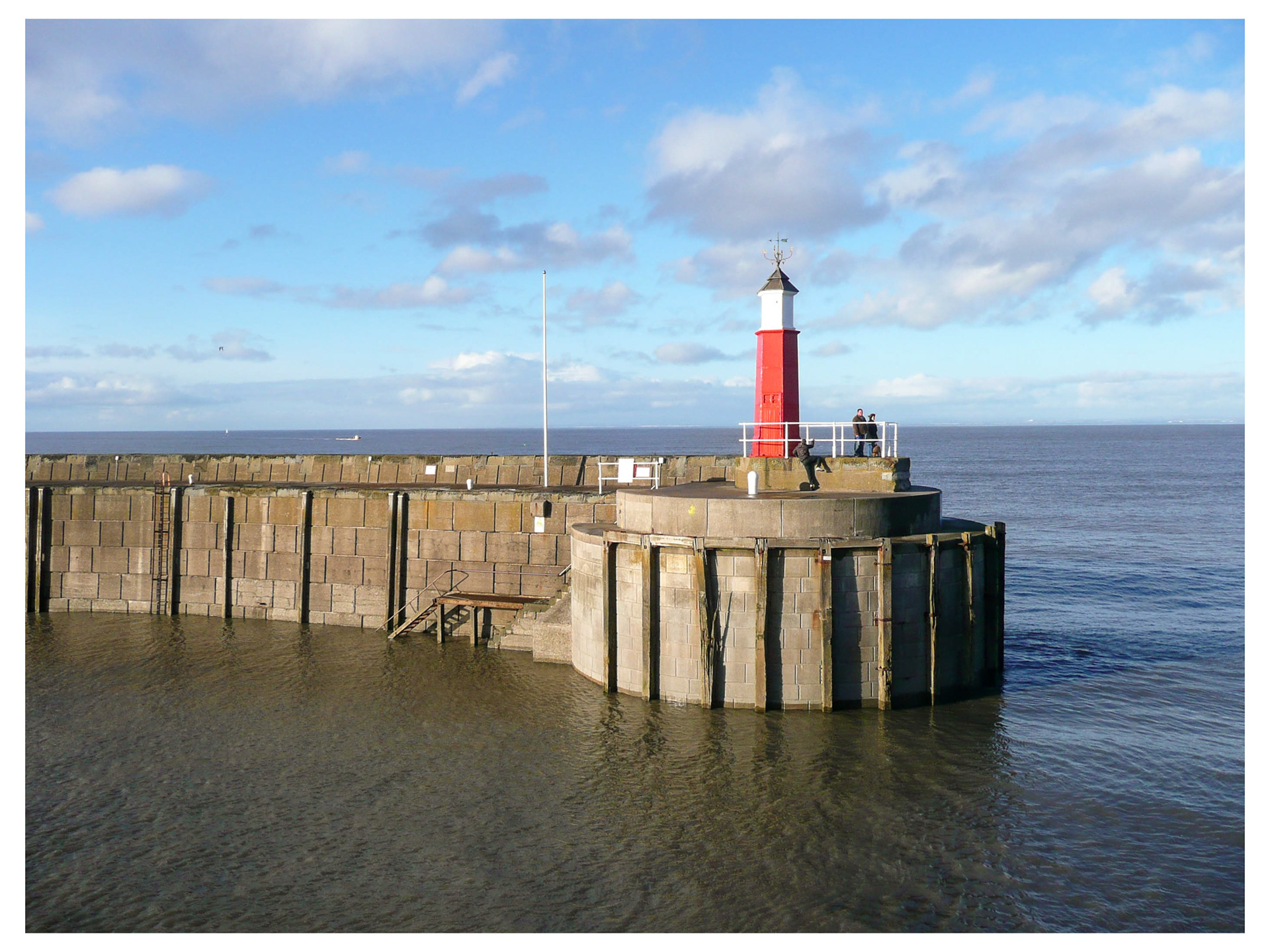
Harbour head
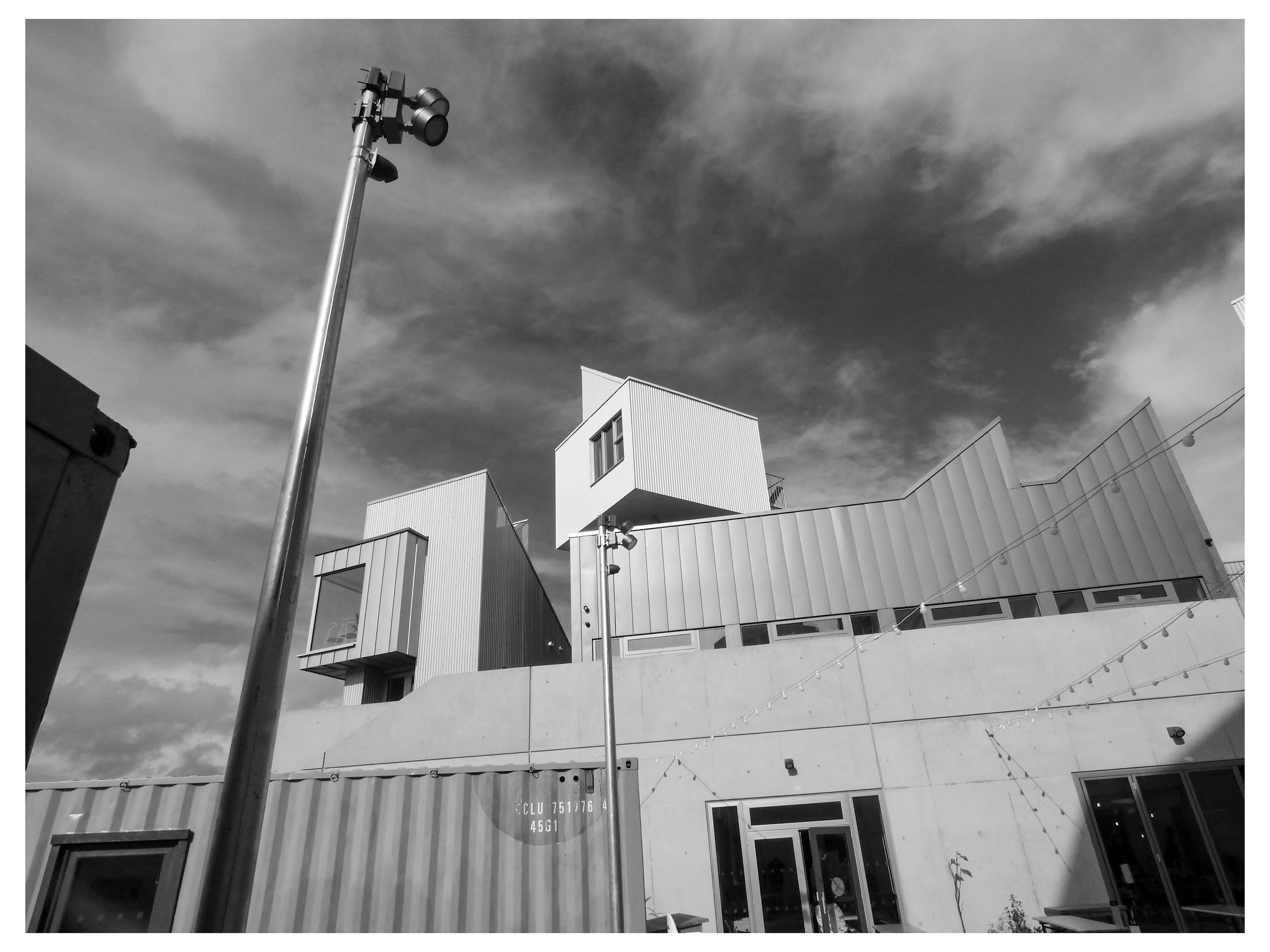
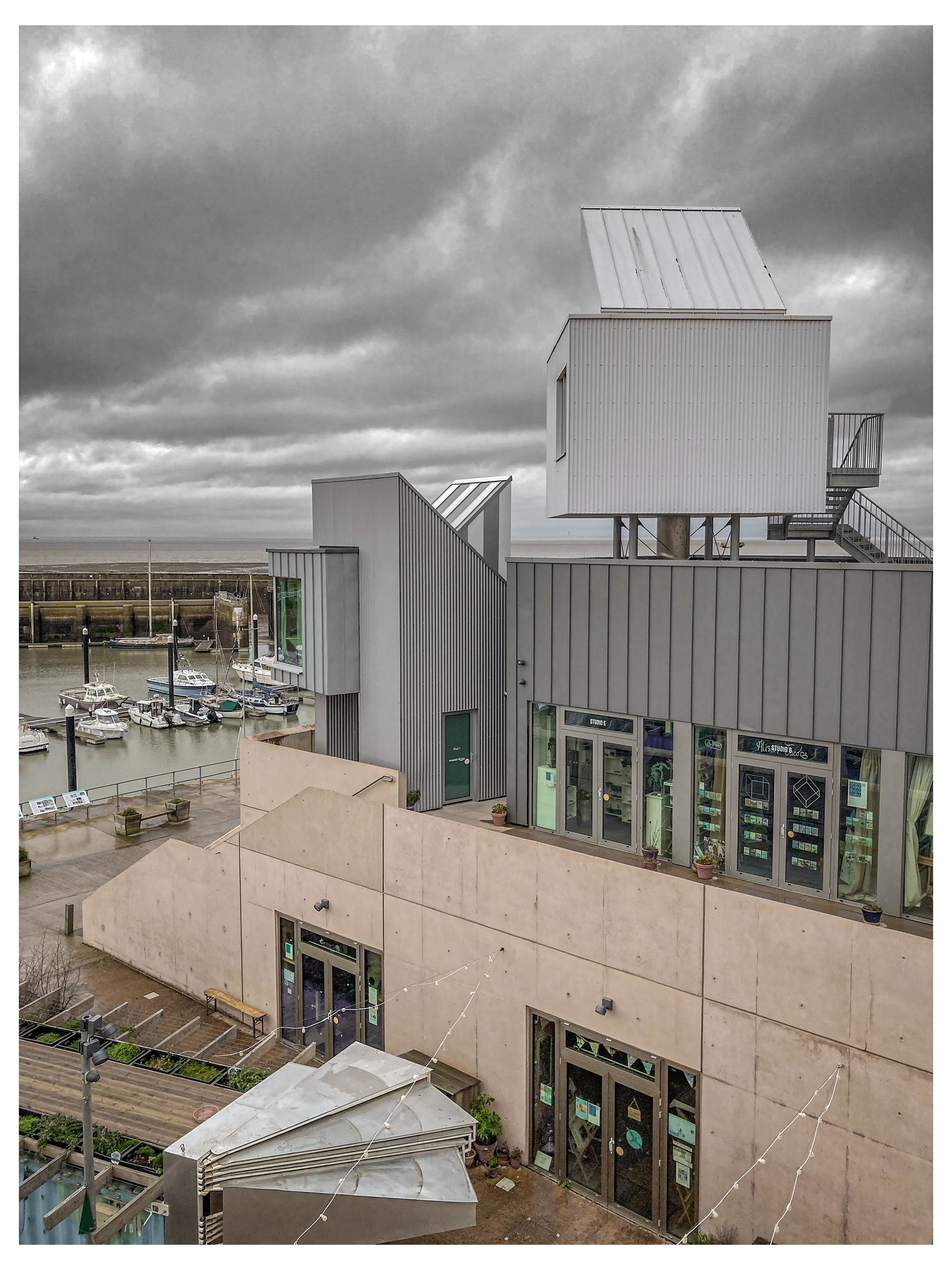
East Quay
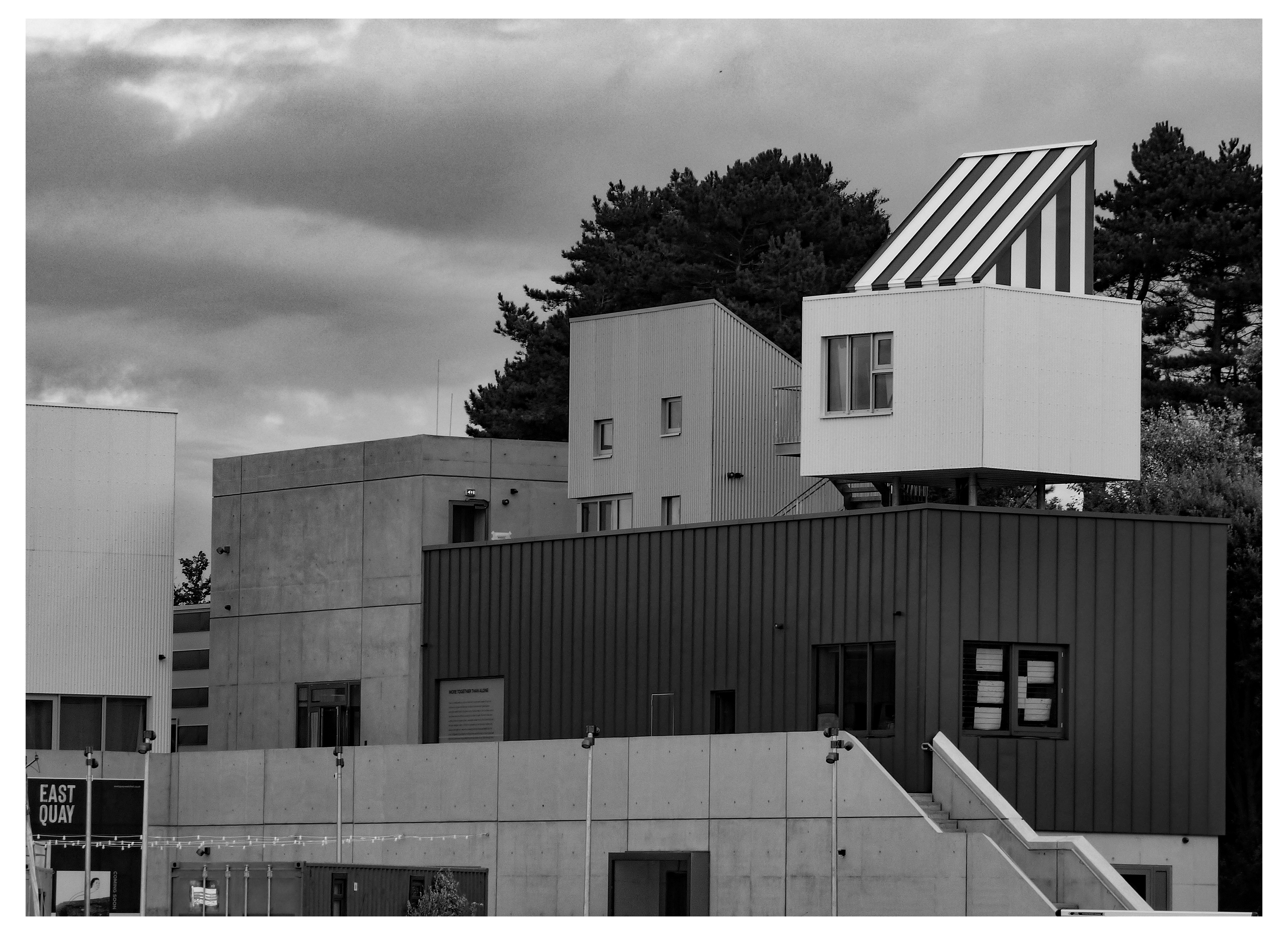
East Quay
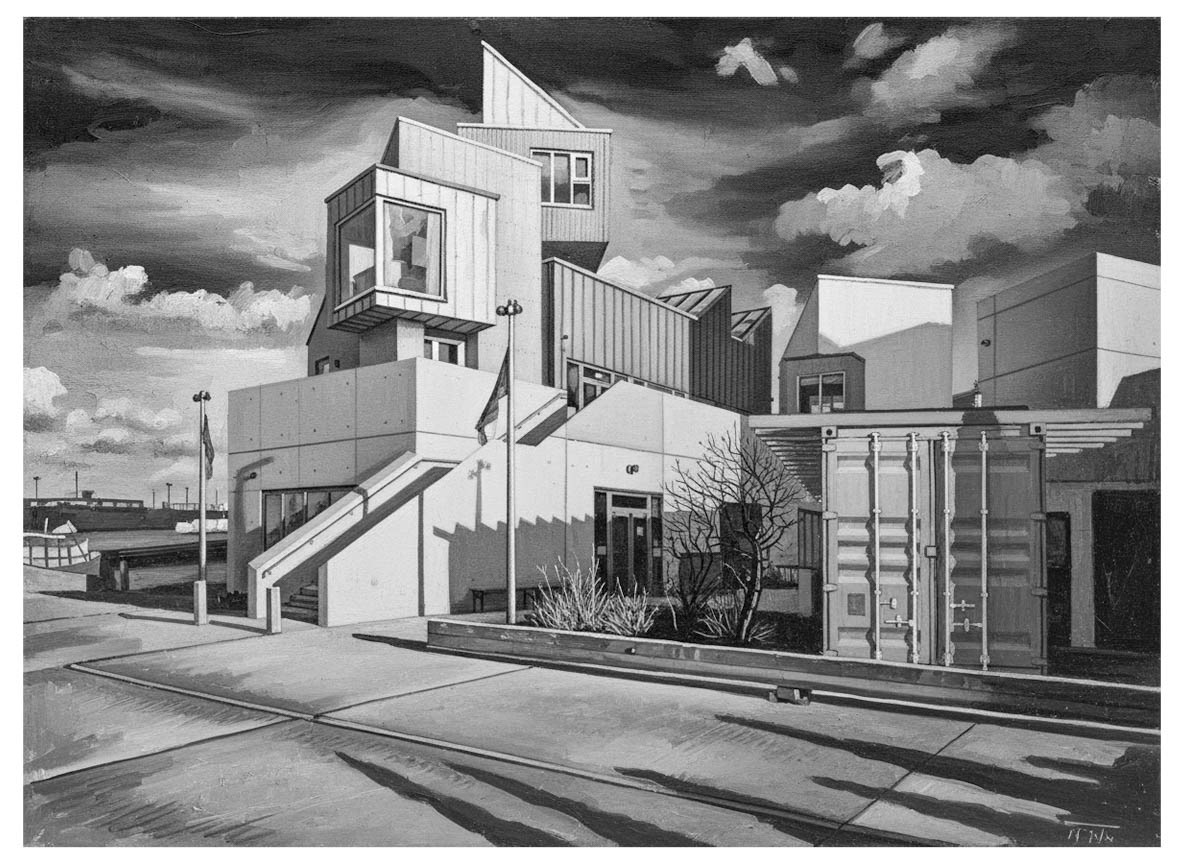
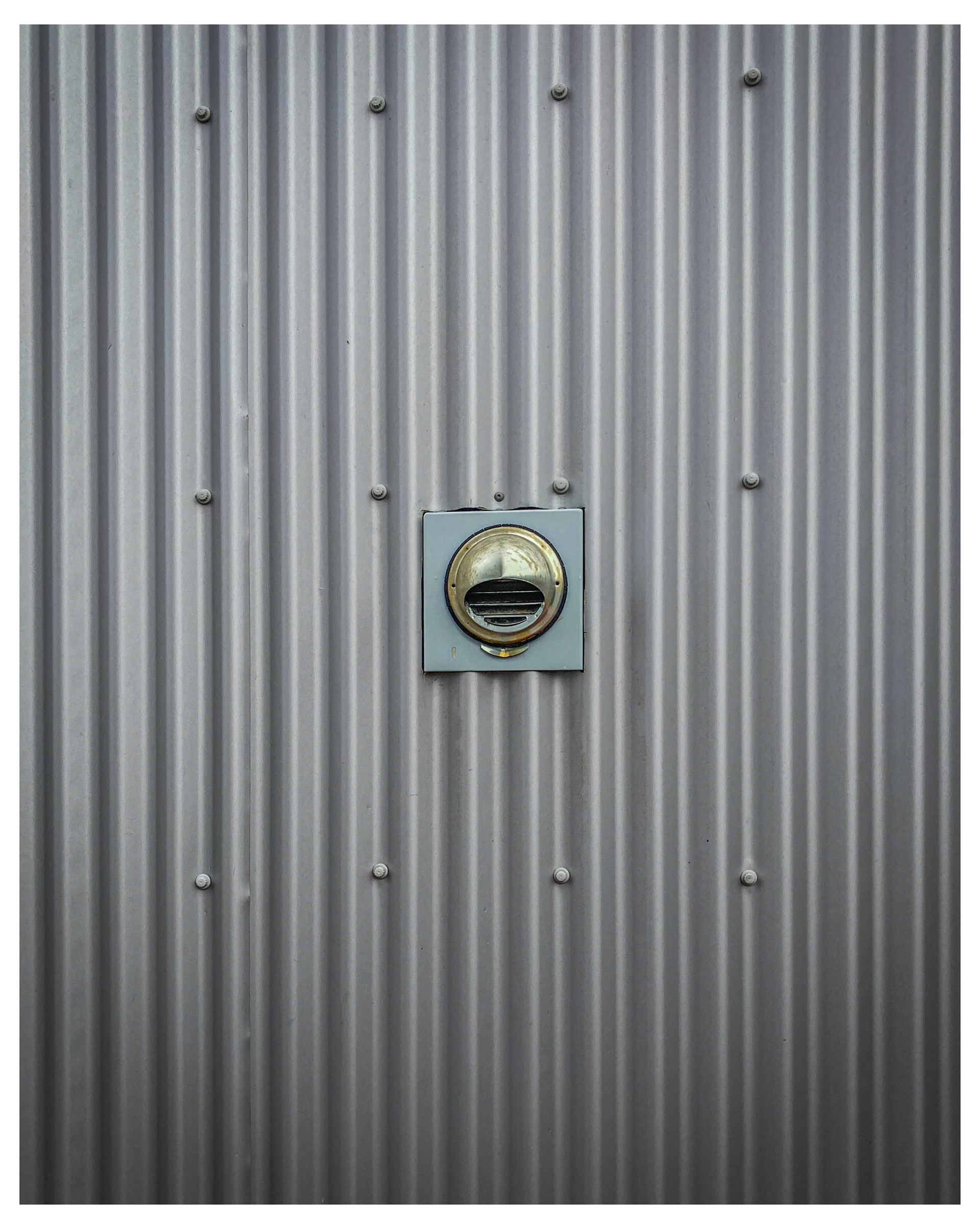
In the style of Picasso.
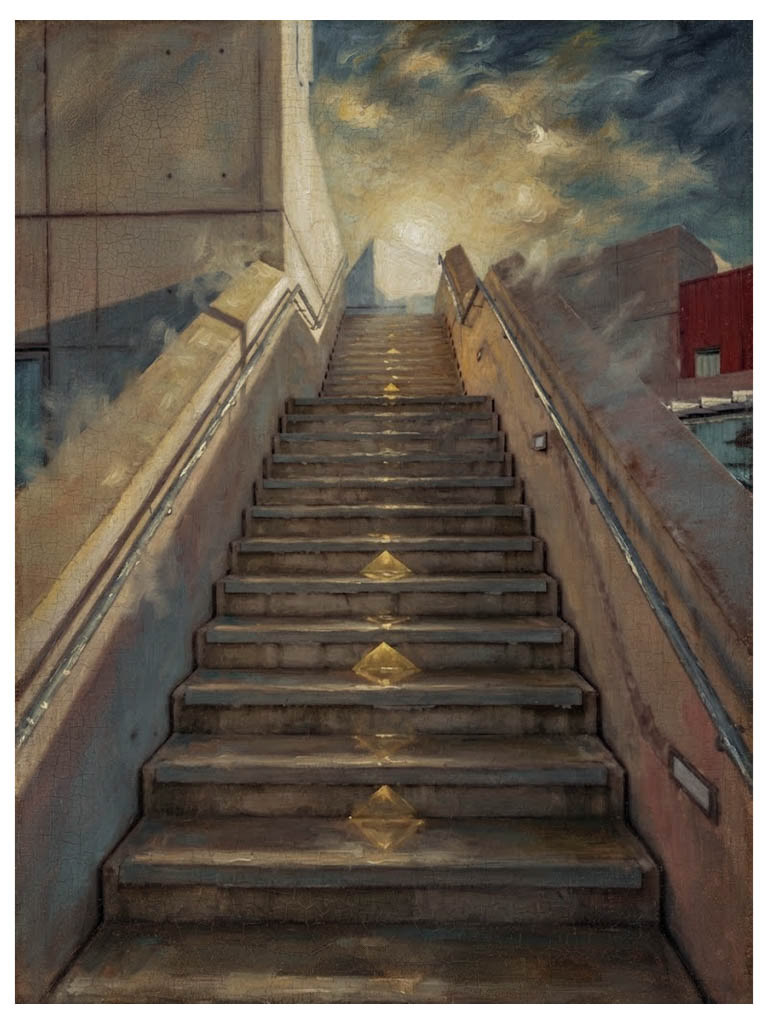
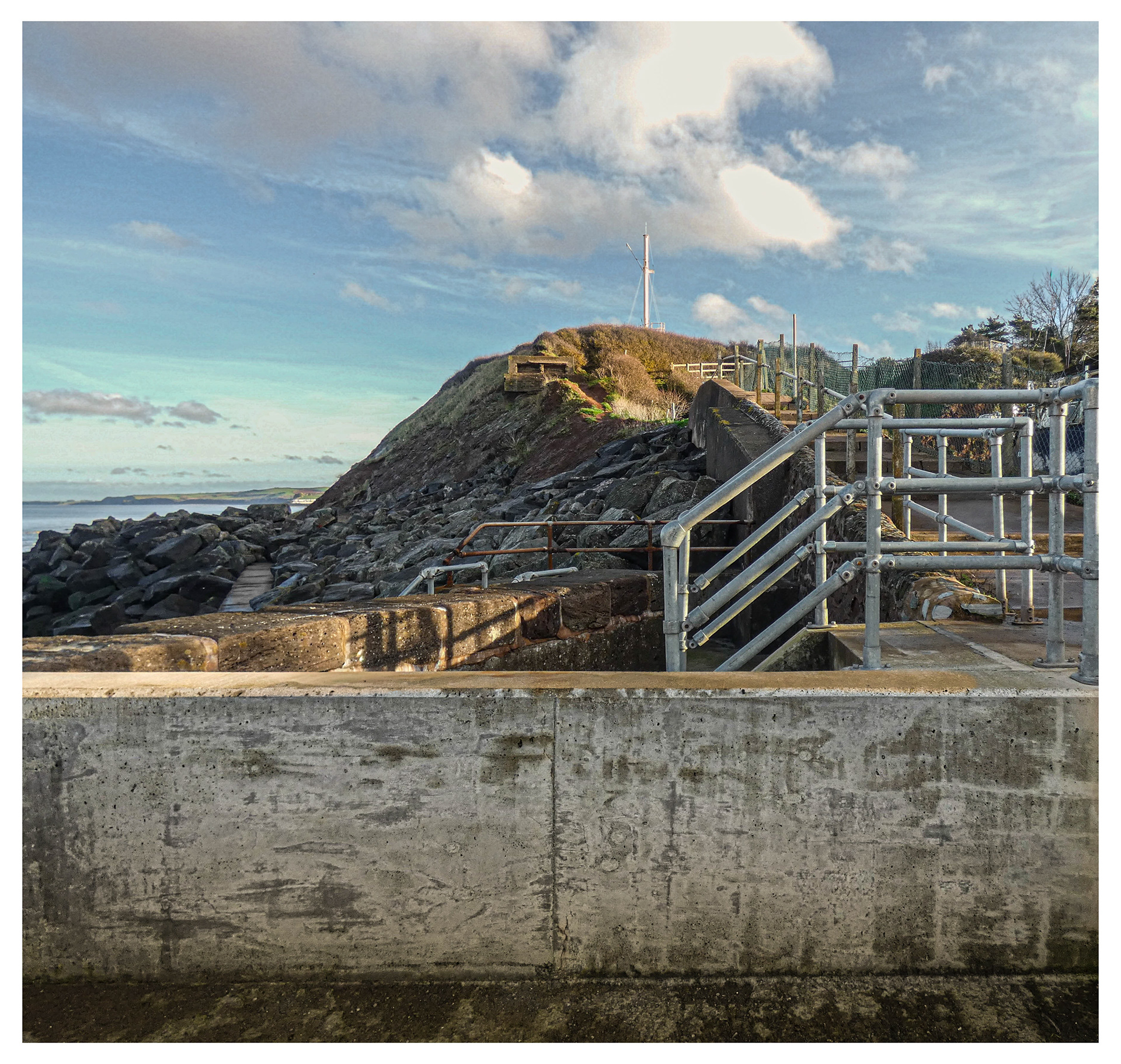
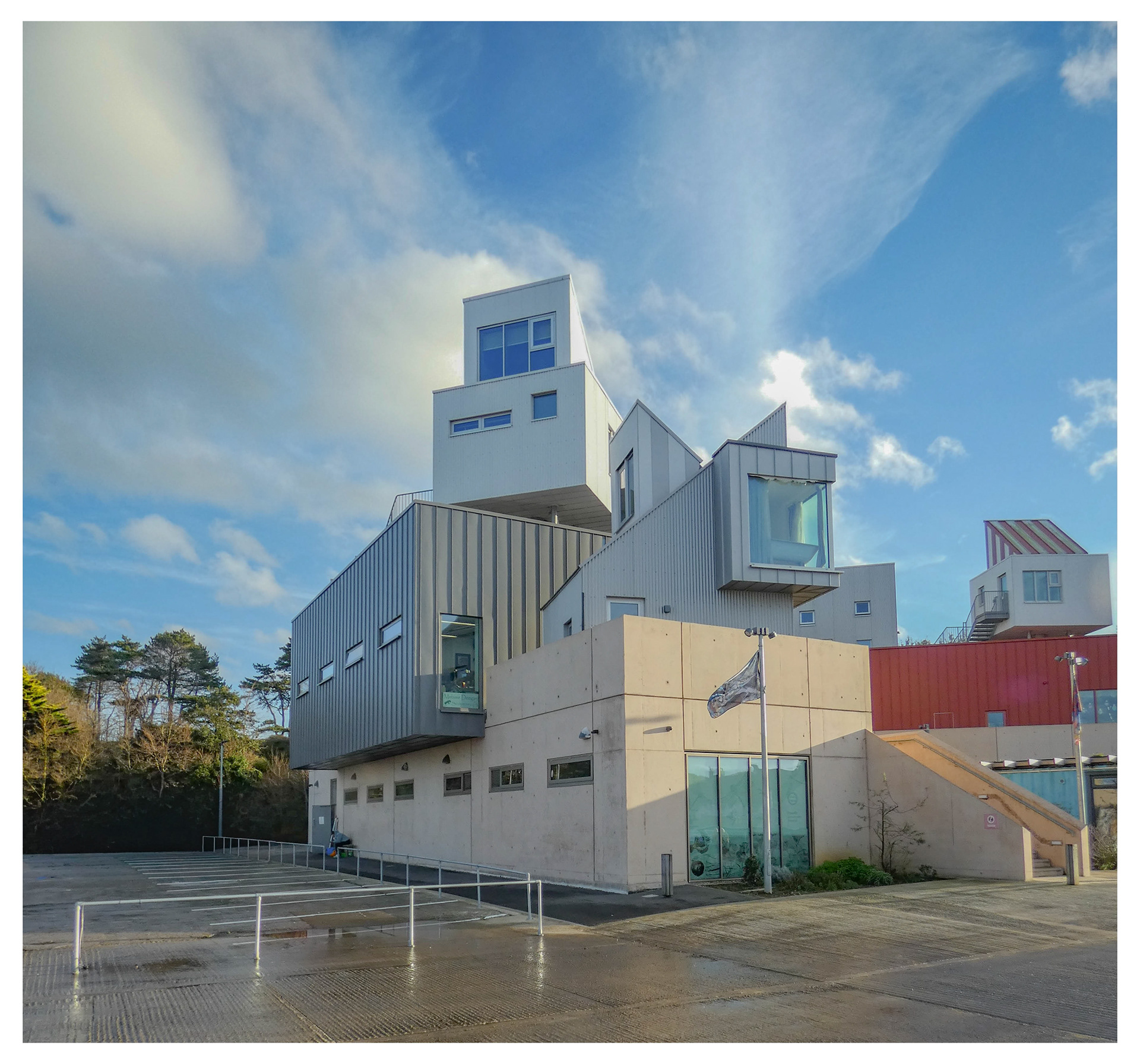
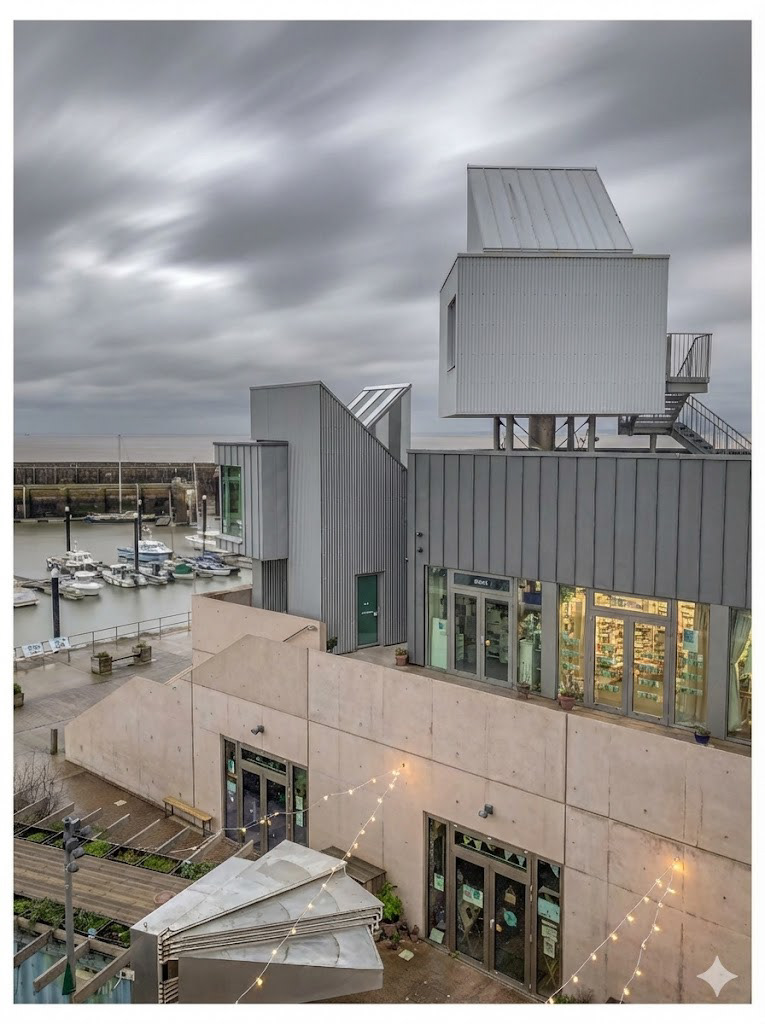
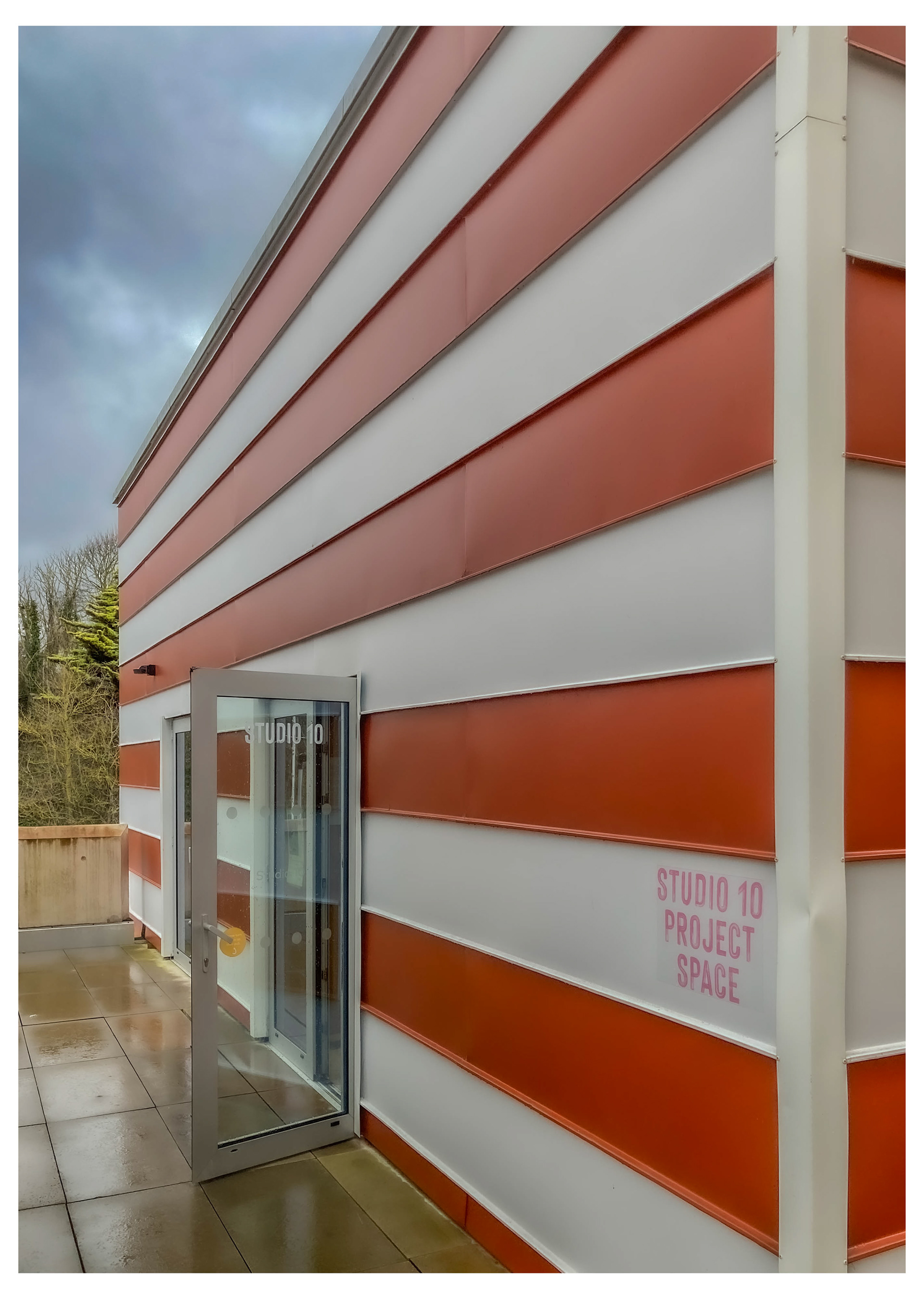
The East Quay buildings in Watchet, Somerset, are a striking, award-winning arts and cultural hub that opened in September 2021. Designed by Piers Taylor of Invisible Studio and Ellis Williams Architects, the complex is widely celebrated as a masterclass in community-led regeneration.
The design is intentionally "idiosyncratic," meant to look like an organic part of the town that has grown over time.
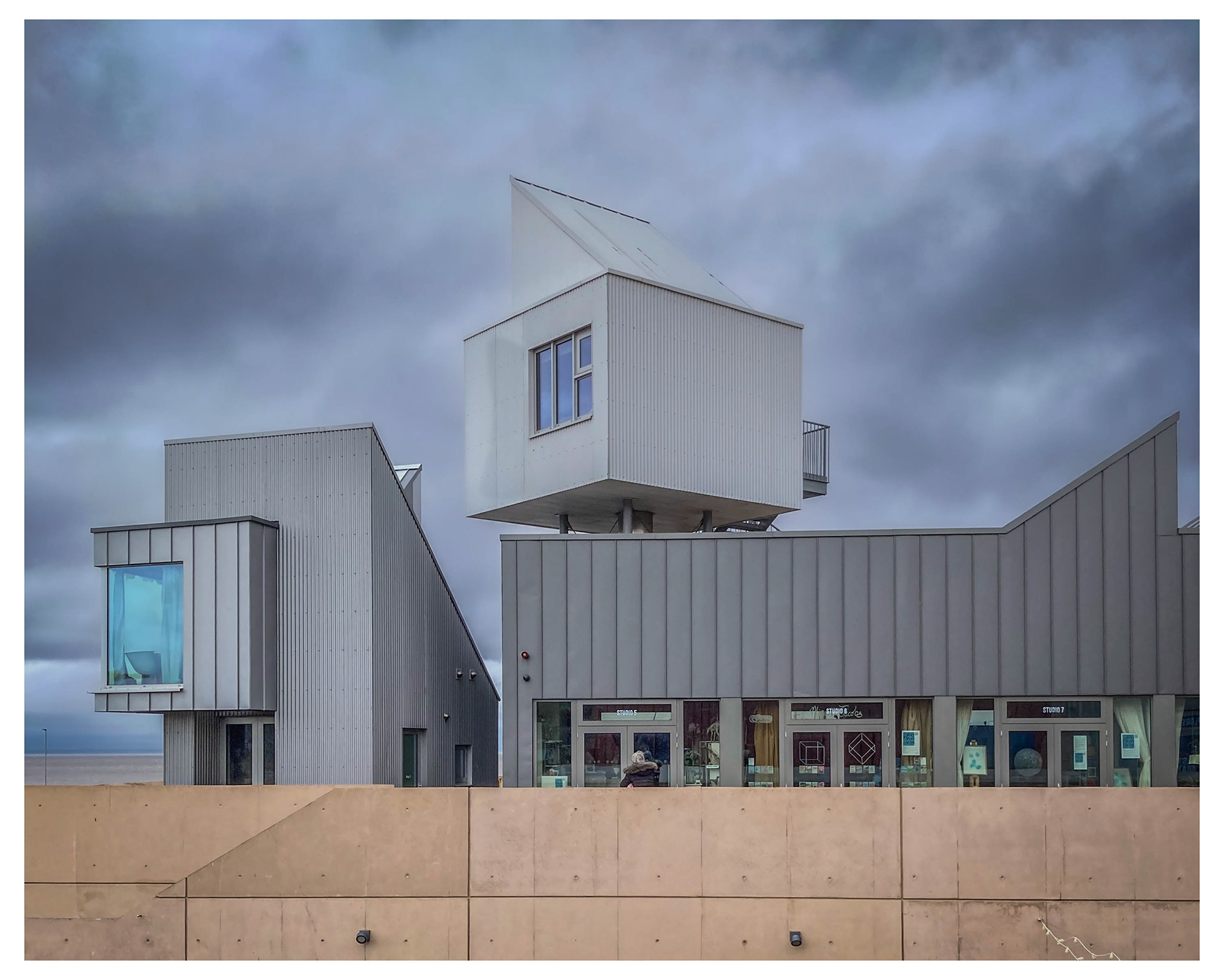
The Plinth: The ground floor is a solid, pink-hued concrete base (using local red sandstone aggregate) that mimics the surrounding cliffs and harbour walls.
The "Jumbled" Boxes: Perched on top of the base is a series of metal-clad structures and shipping containers.These house the artist studios and quirky accommodation pods, creating a silhouette that looks like a "piratical beacon."
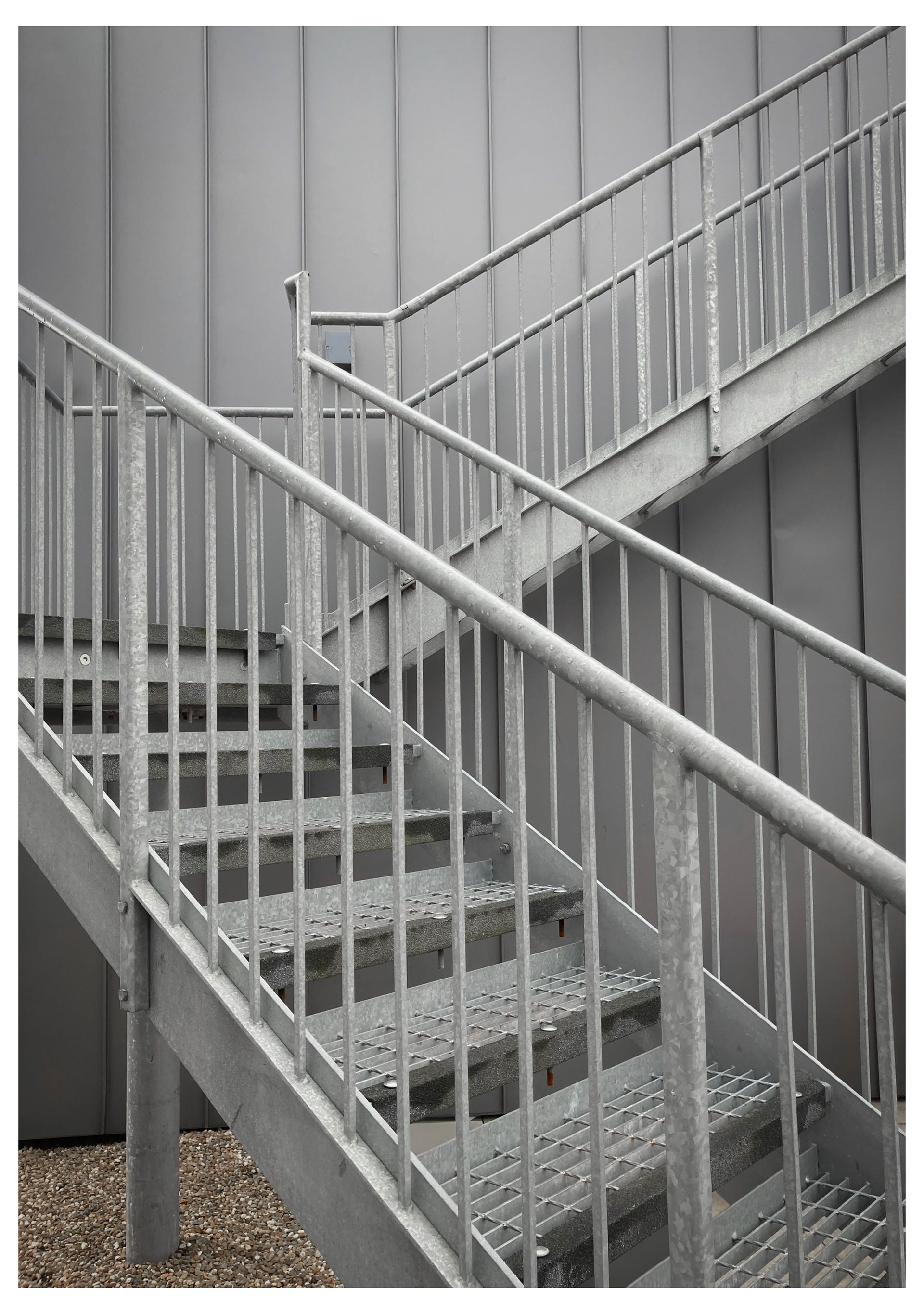
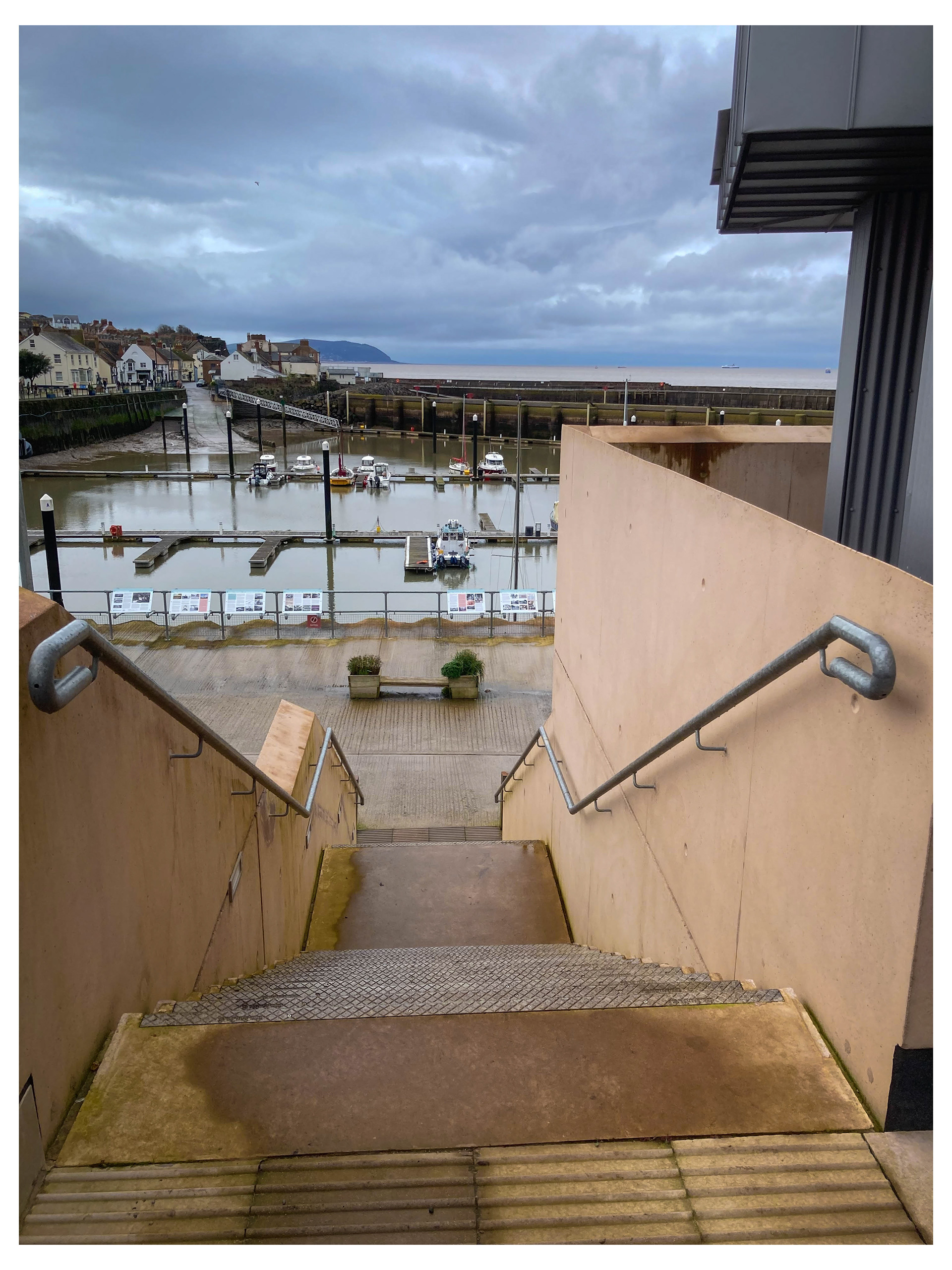
Porosity: The building is designed to be explored. External stairs and walkways connect the harbour directly to the South West Coast Path, encouraging people to climb and traverse the structure.
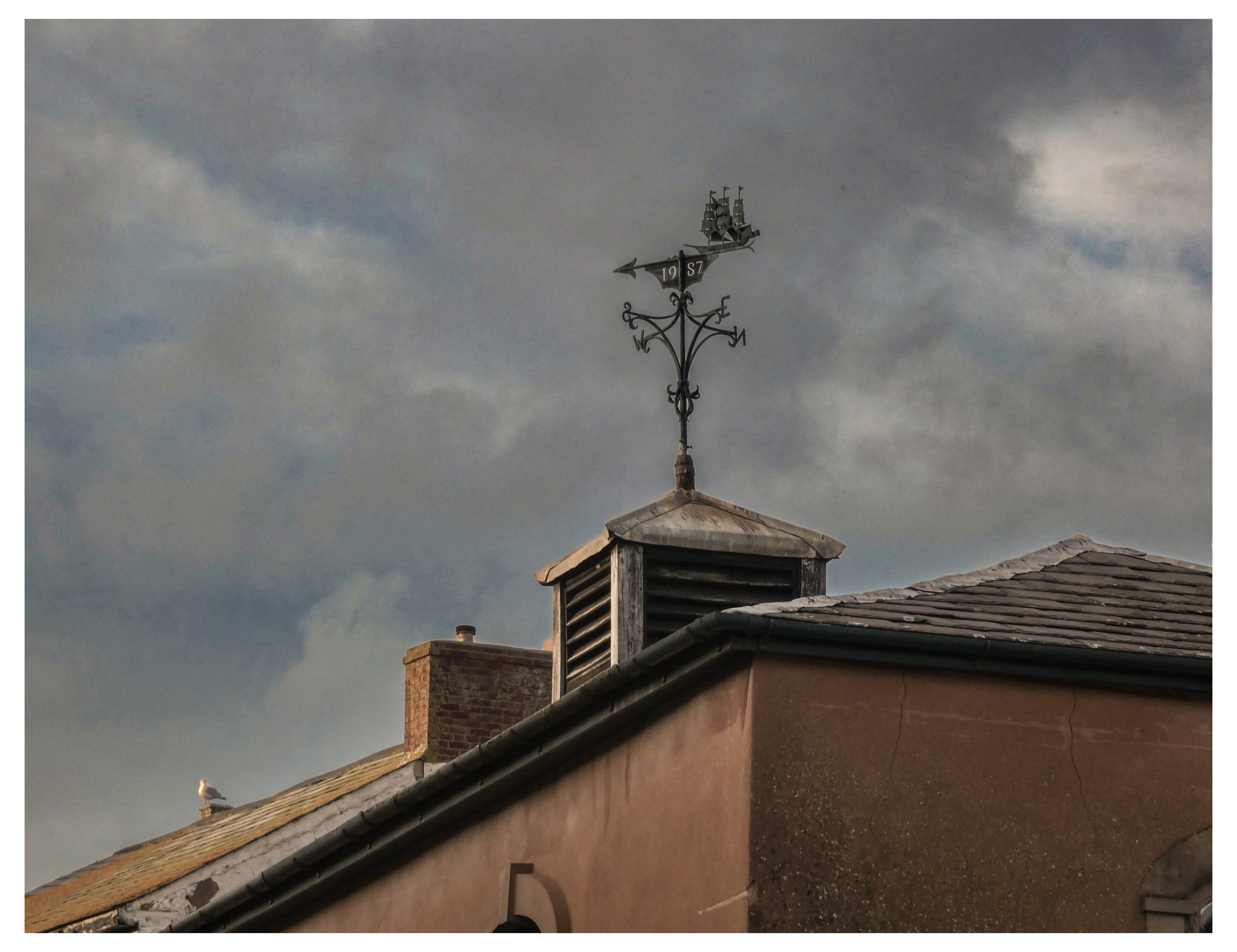
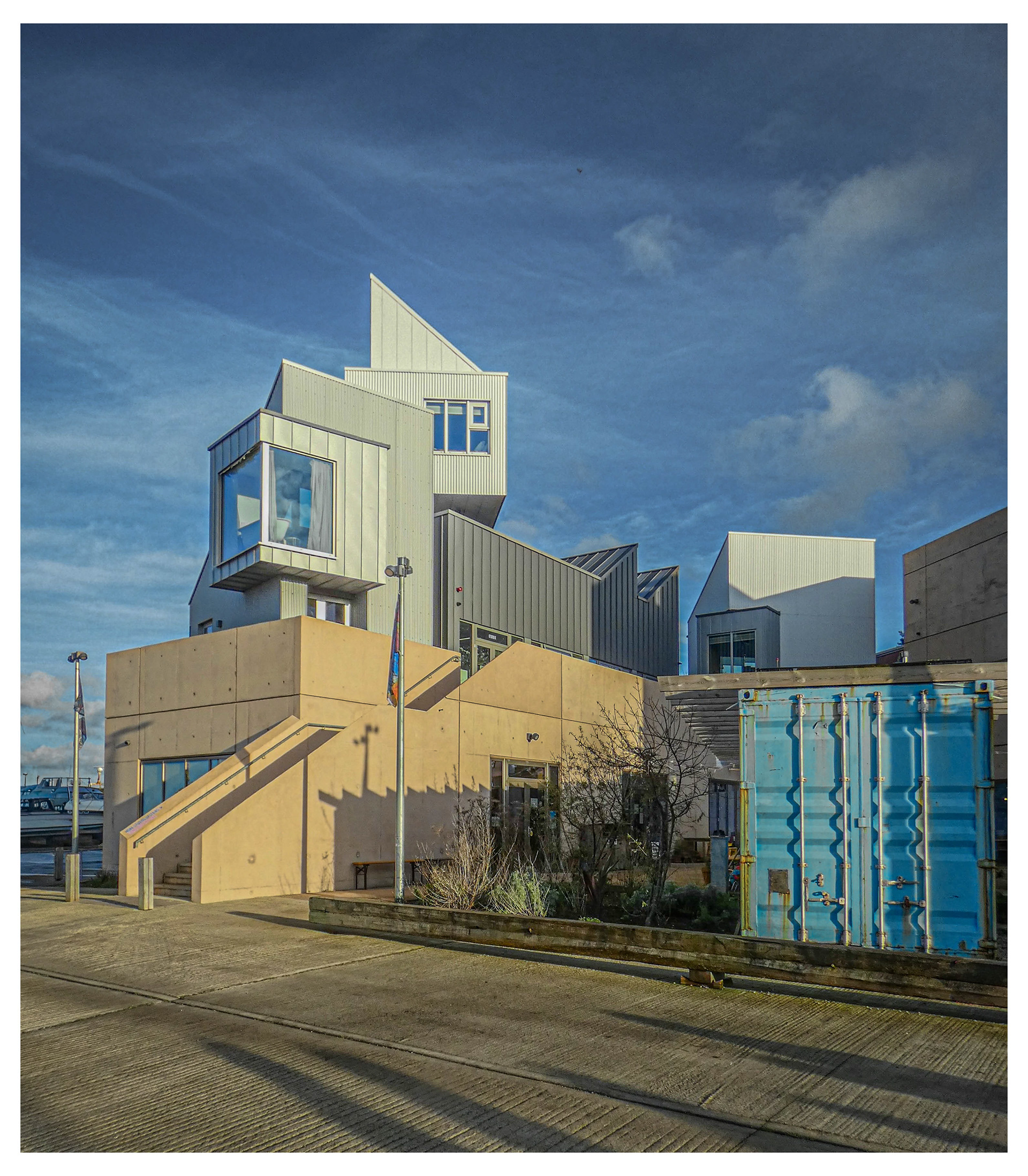
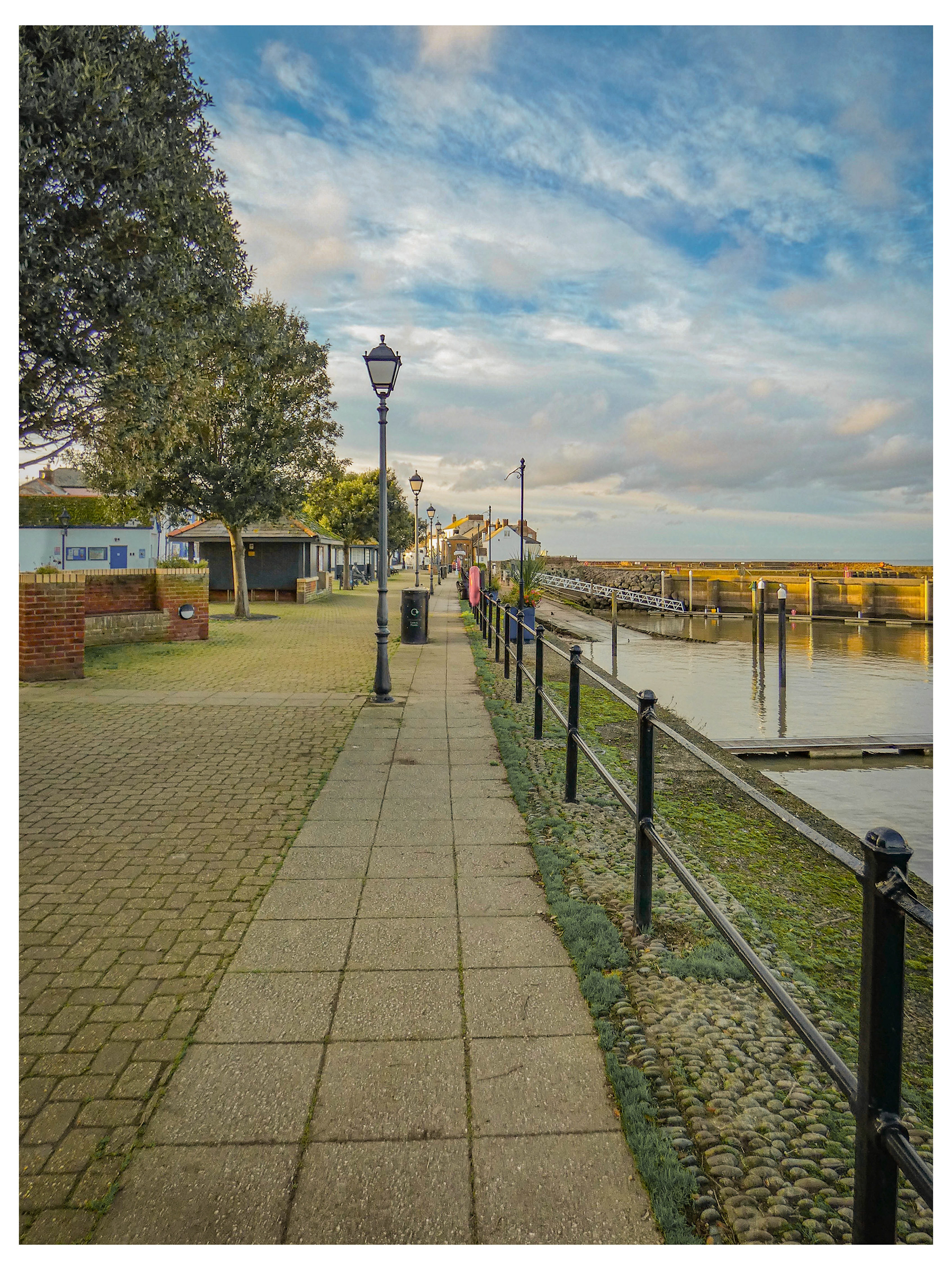
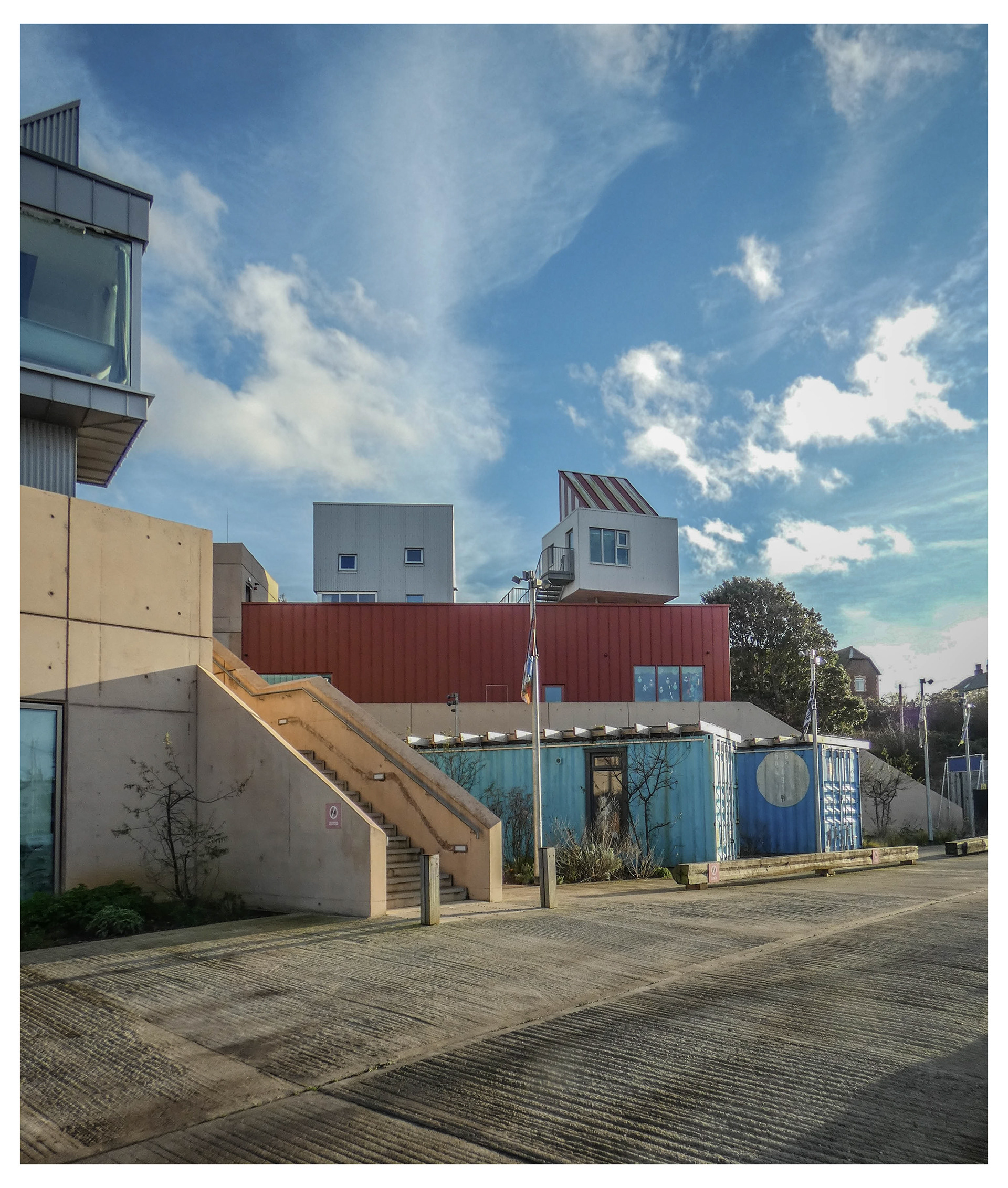
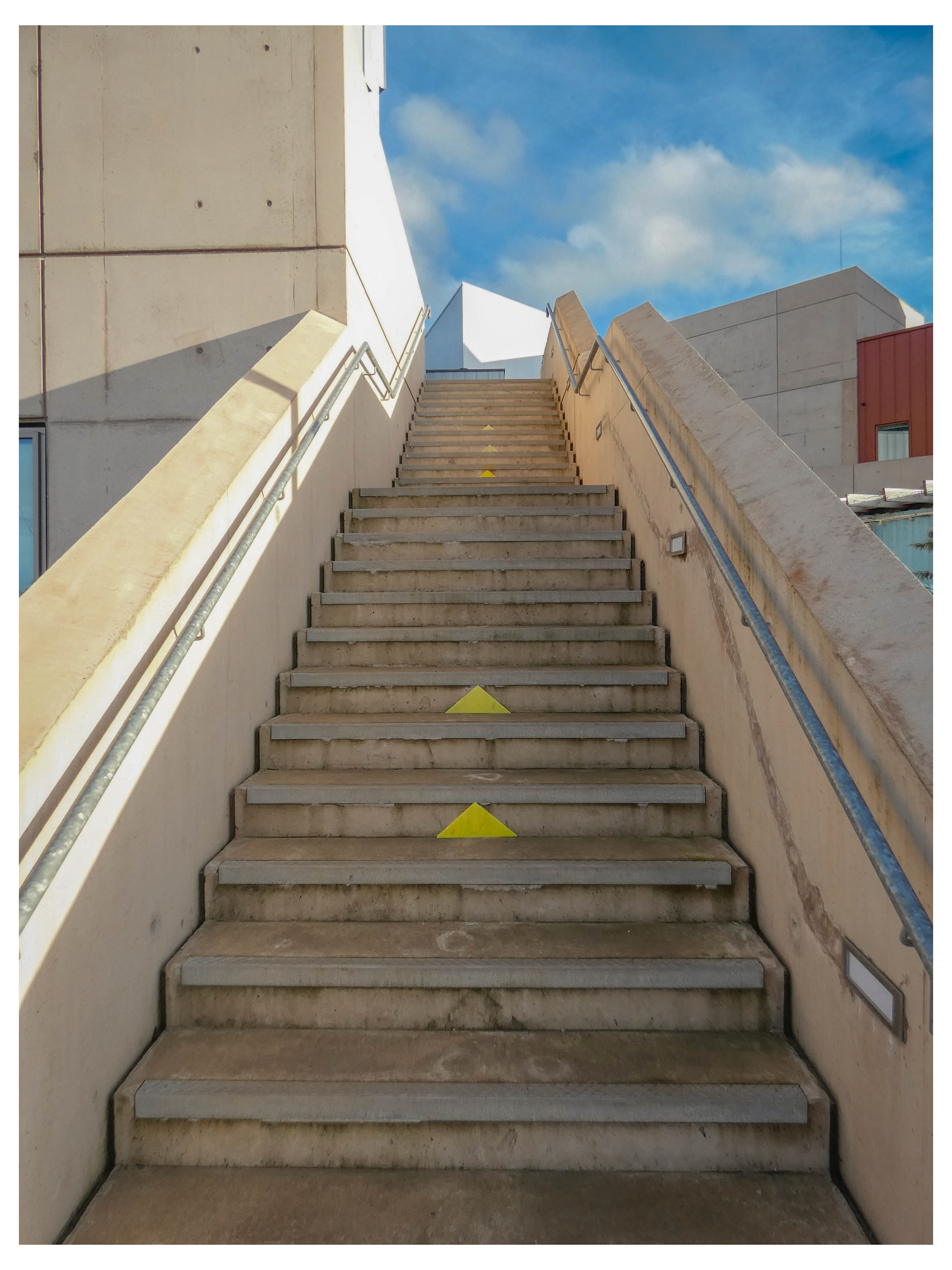
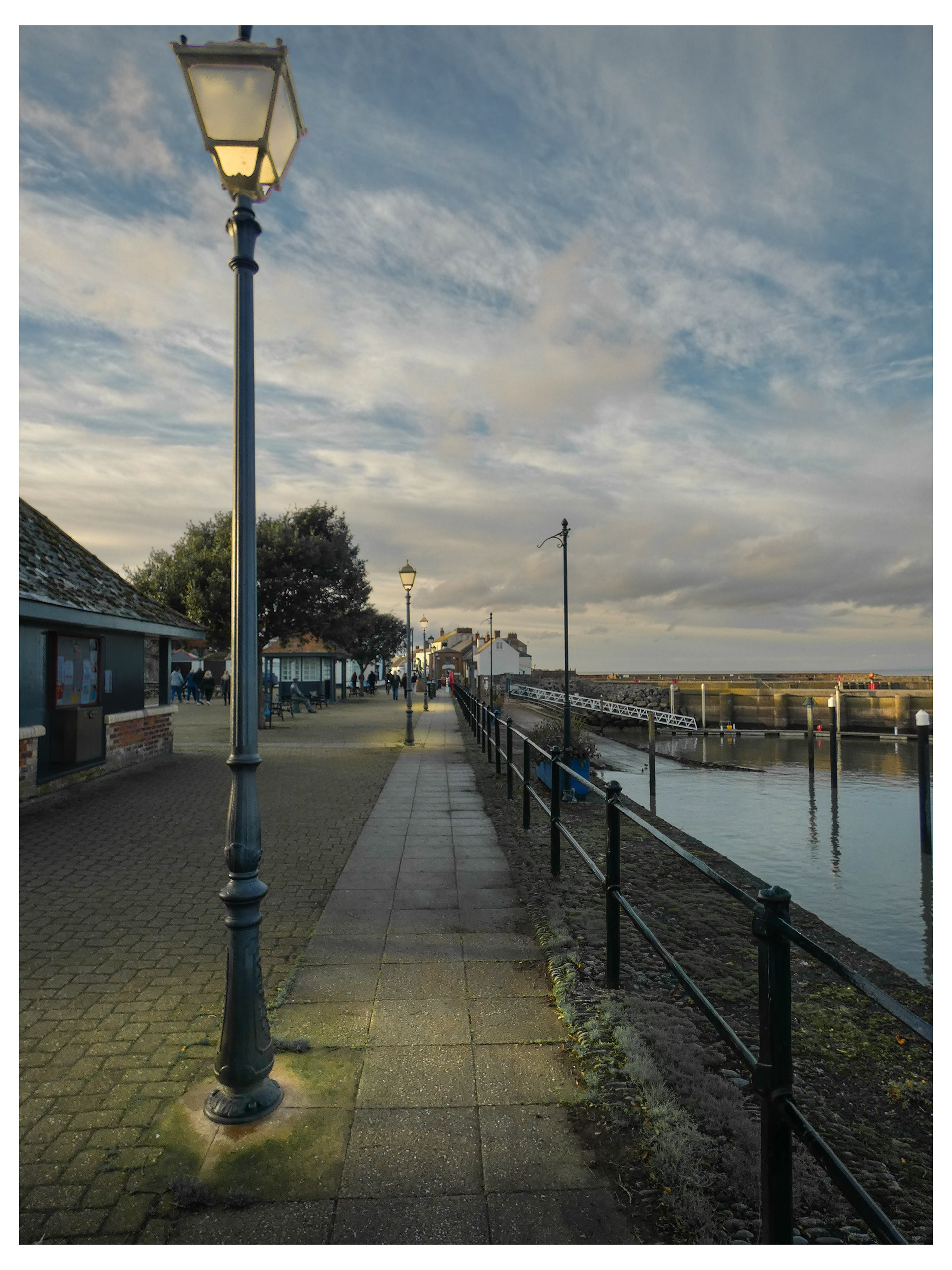
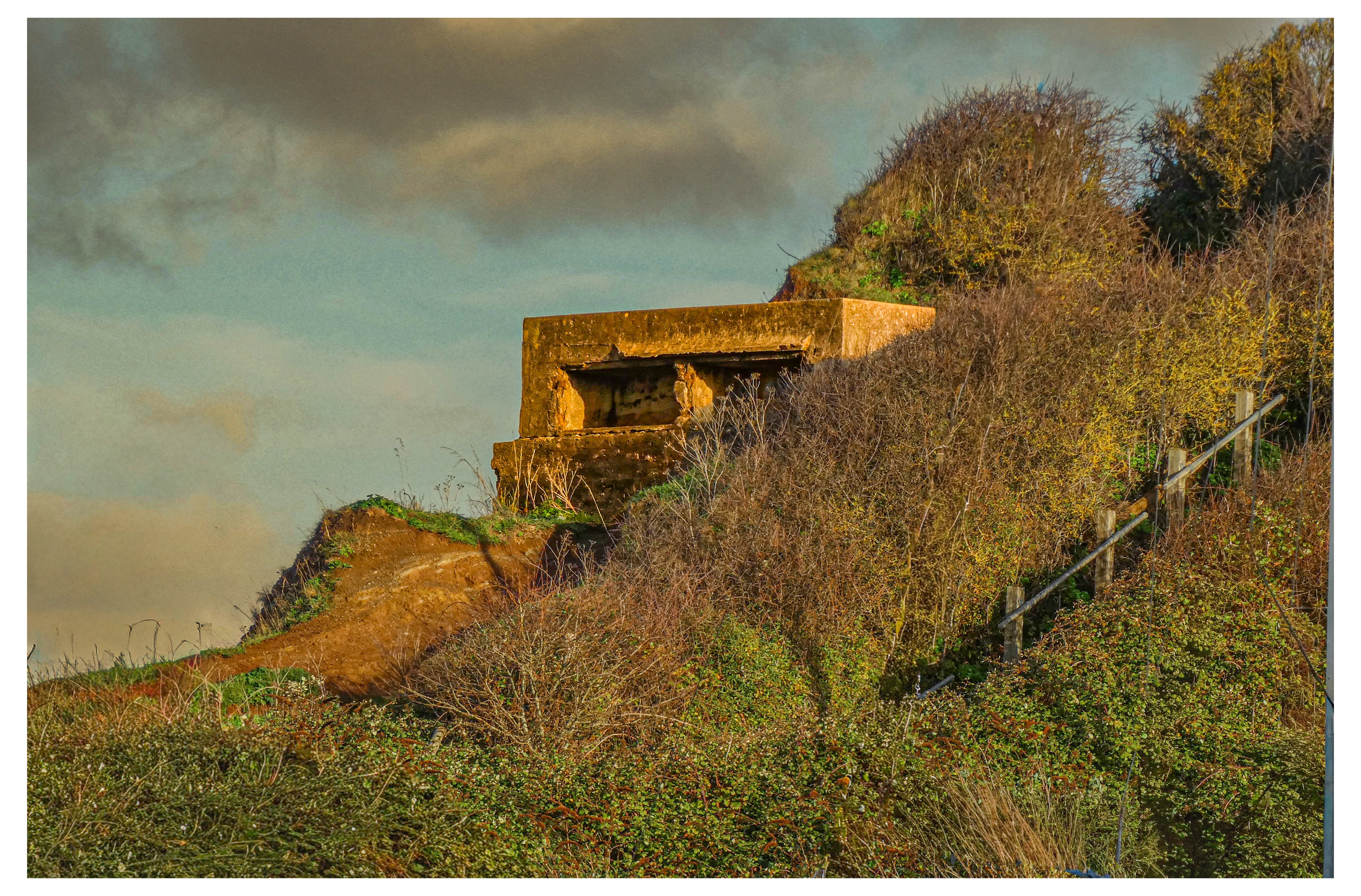
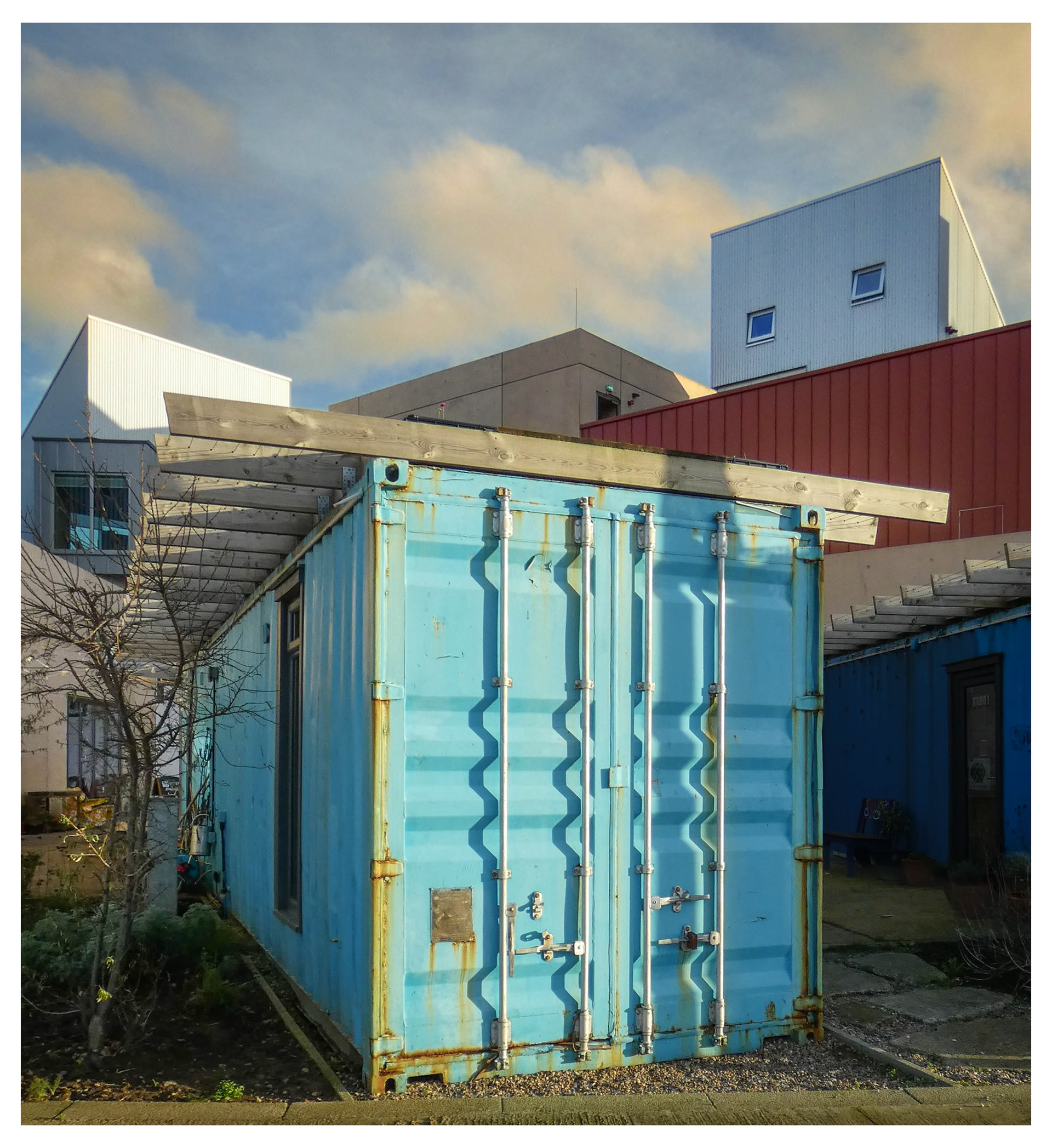
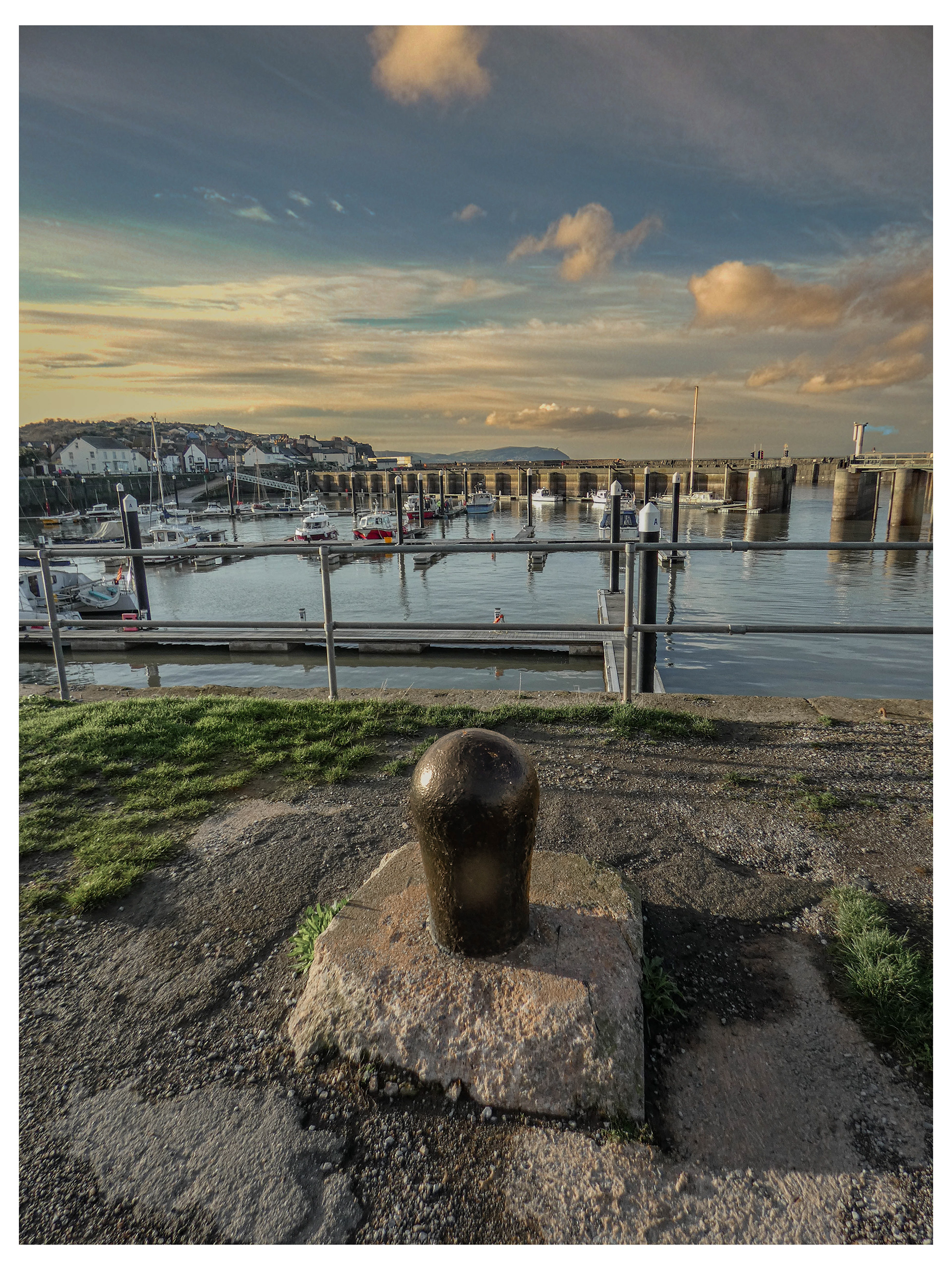
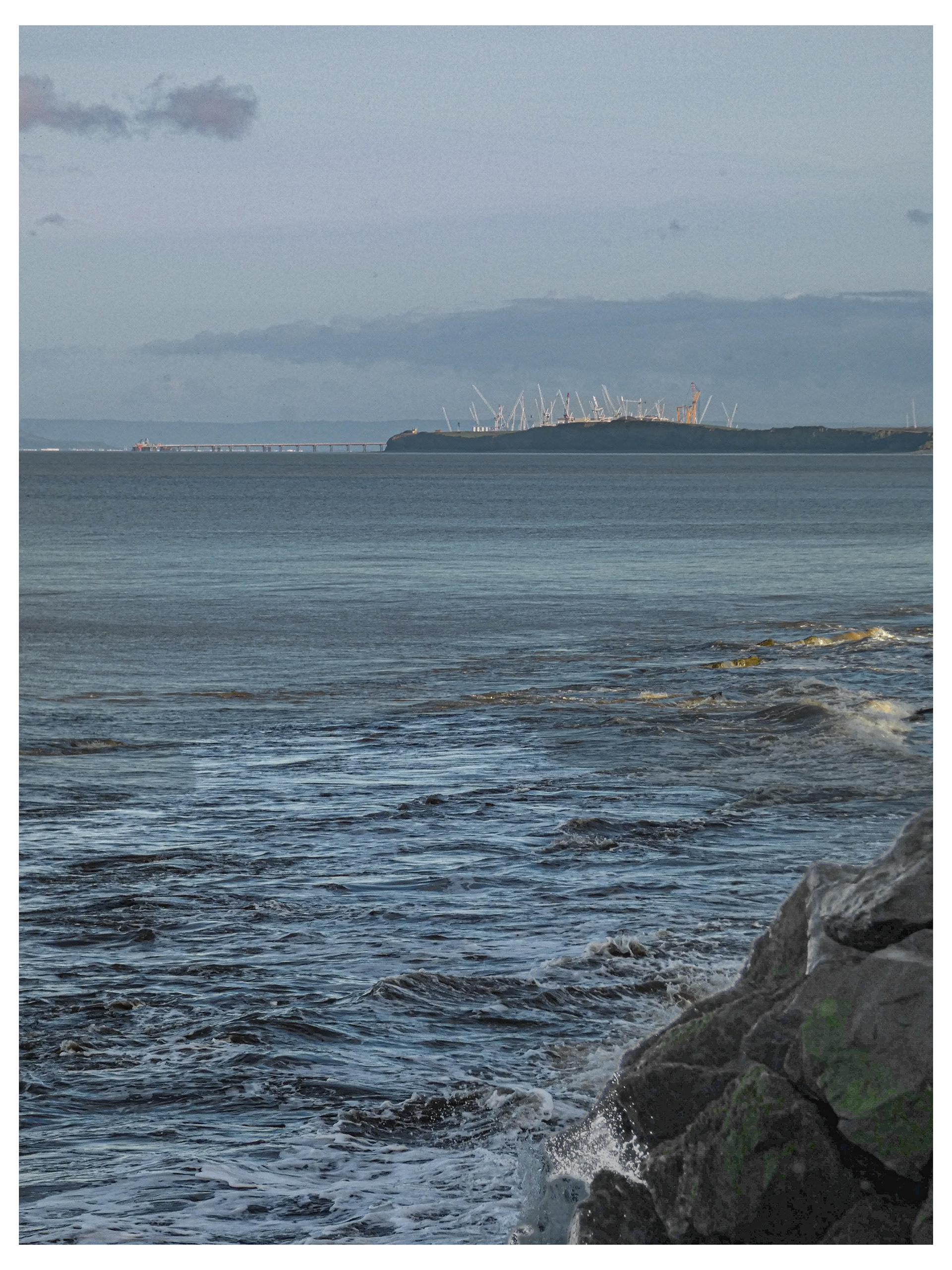
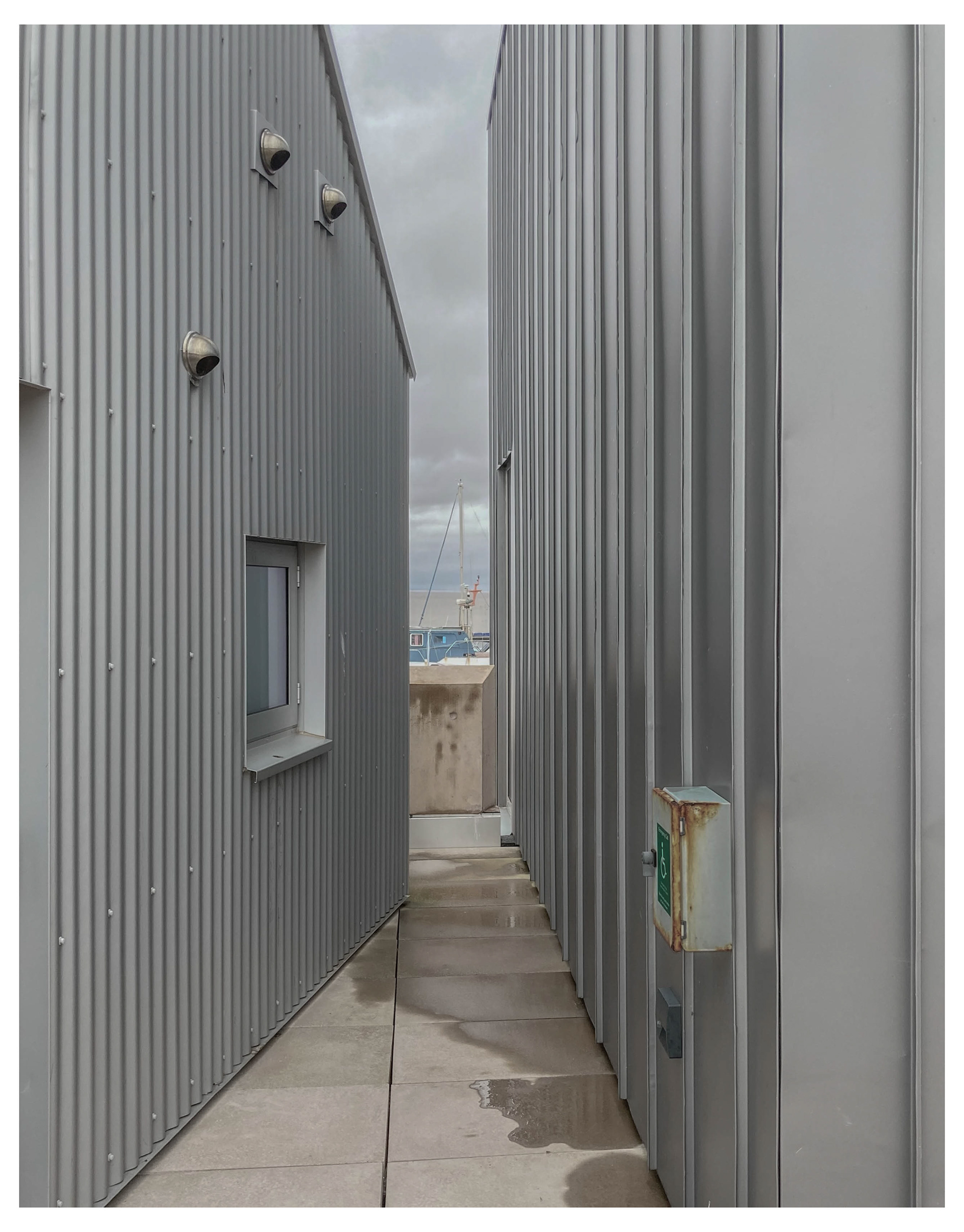
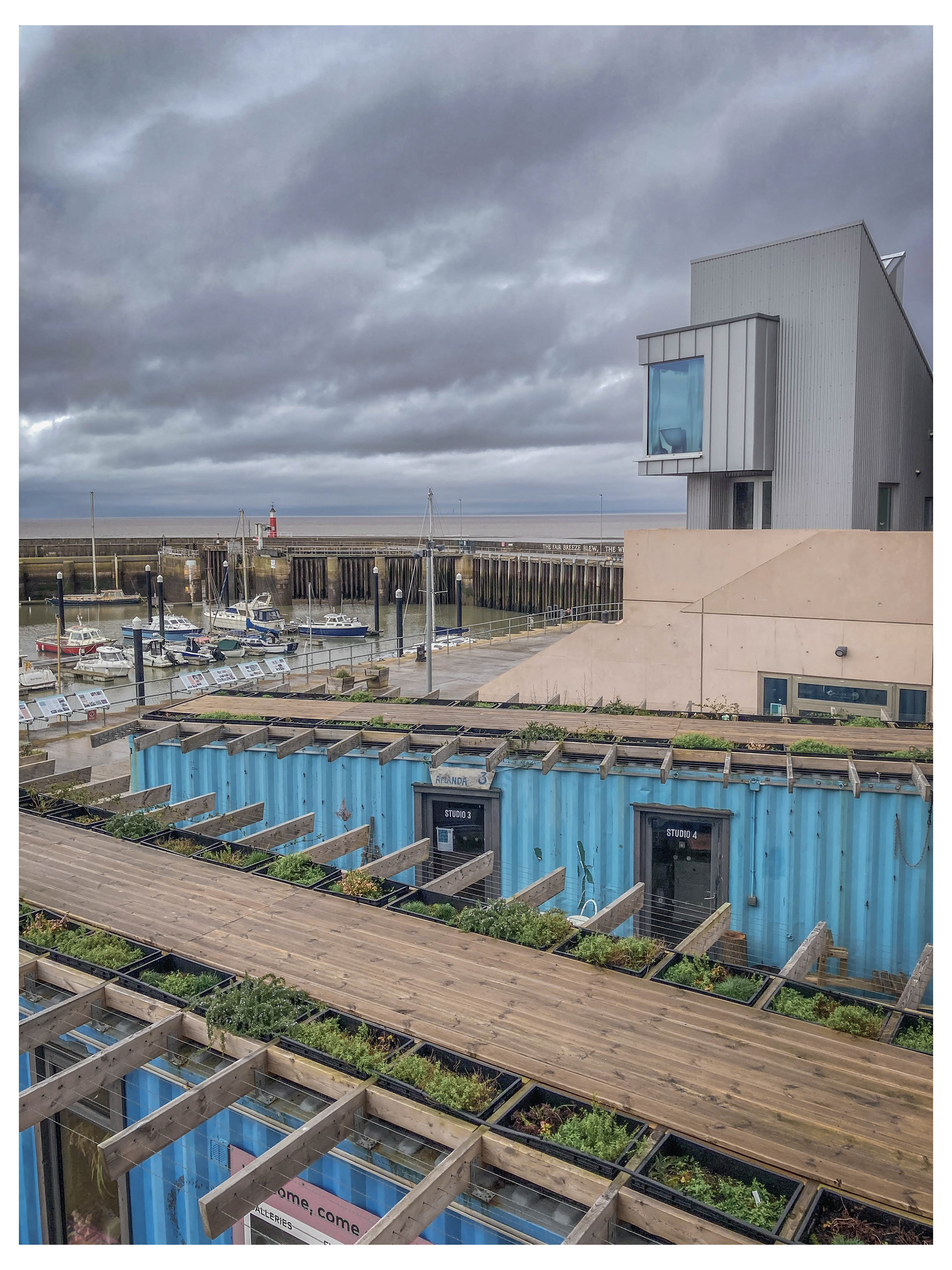
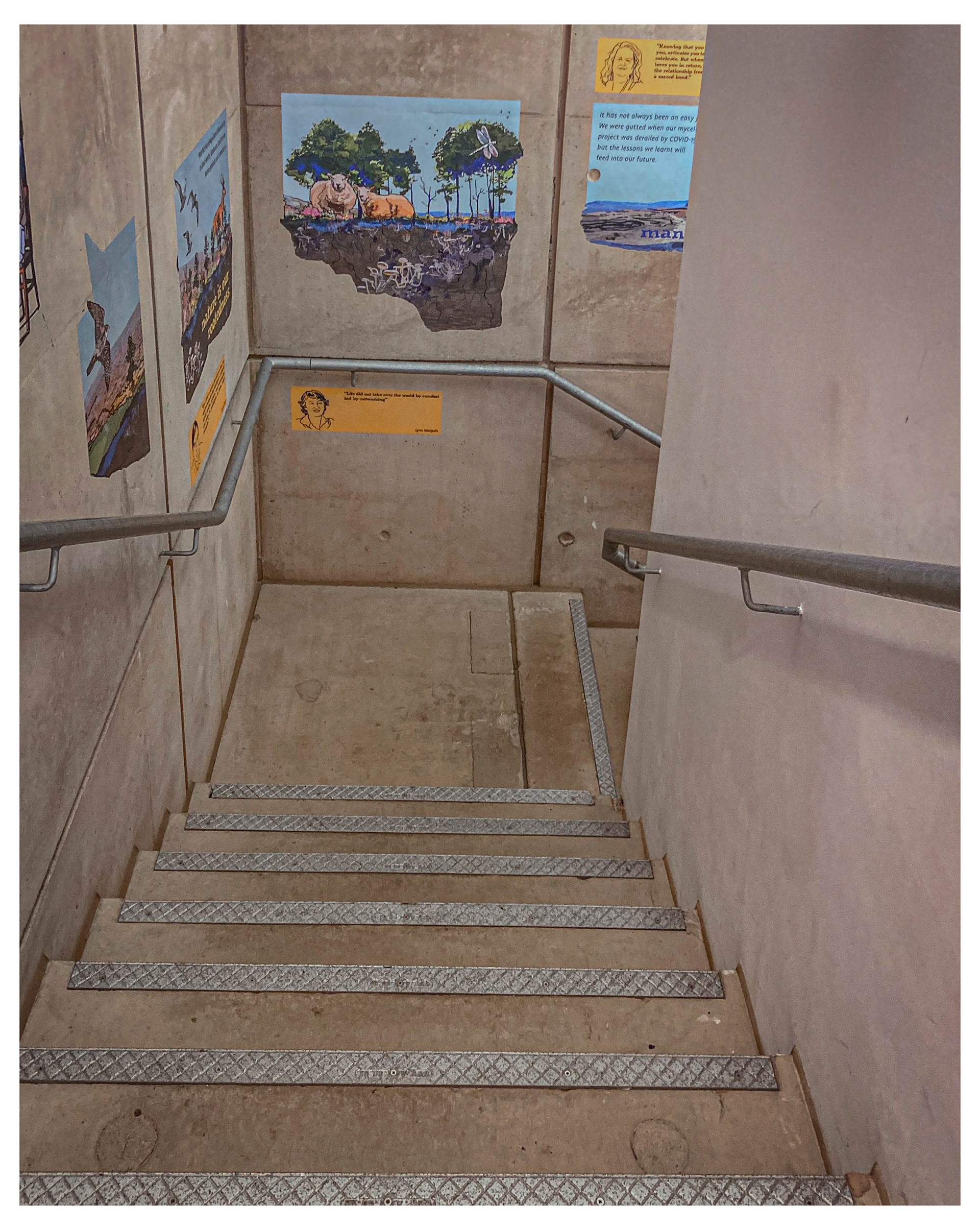
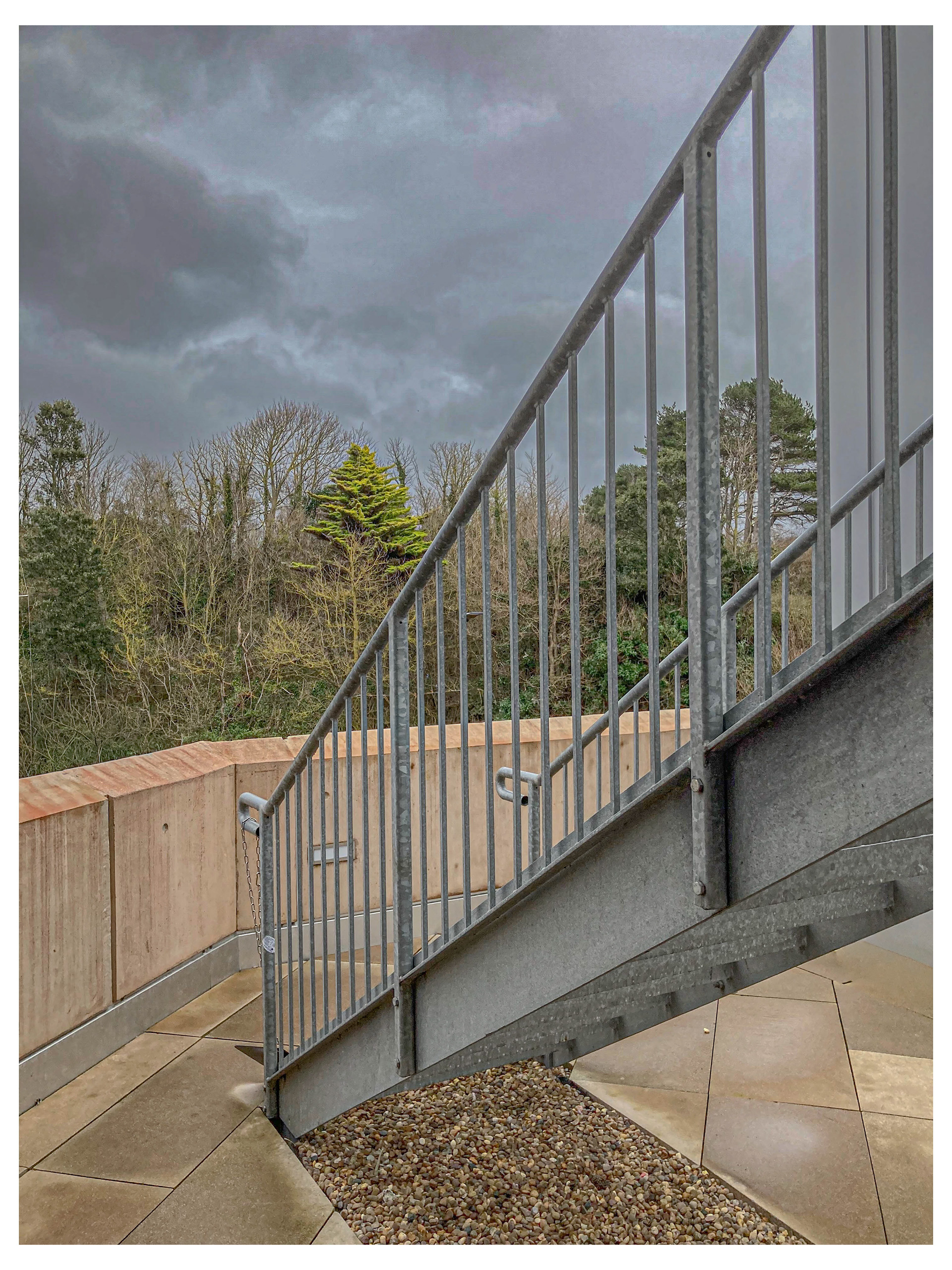
The following images were taken on 23/3/26
I have used Ai to explore how they may reflect sections of Coleridge's poem the Rime of the ancient mariner.
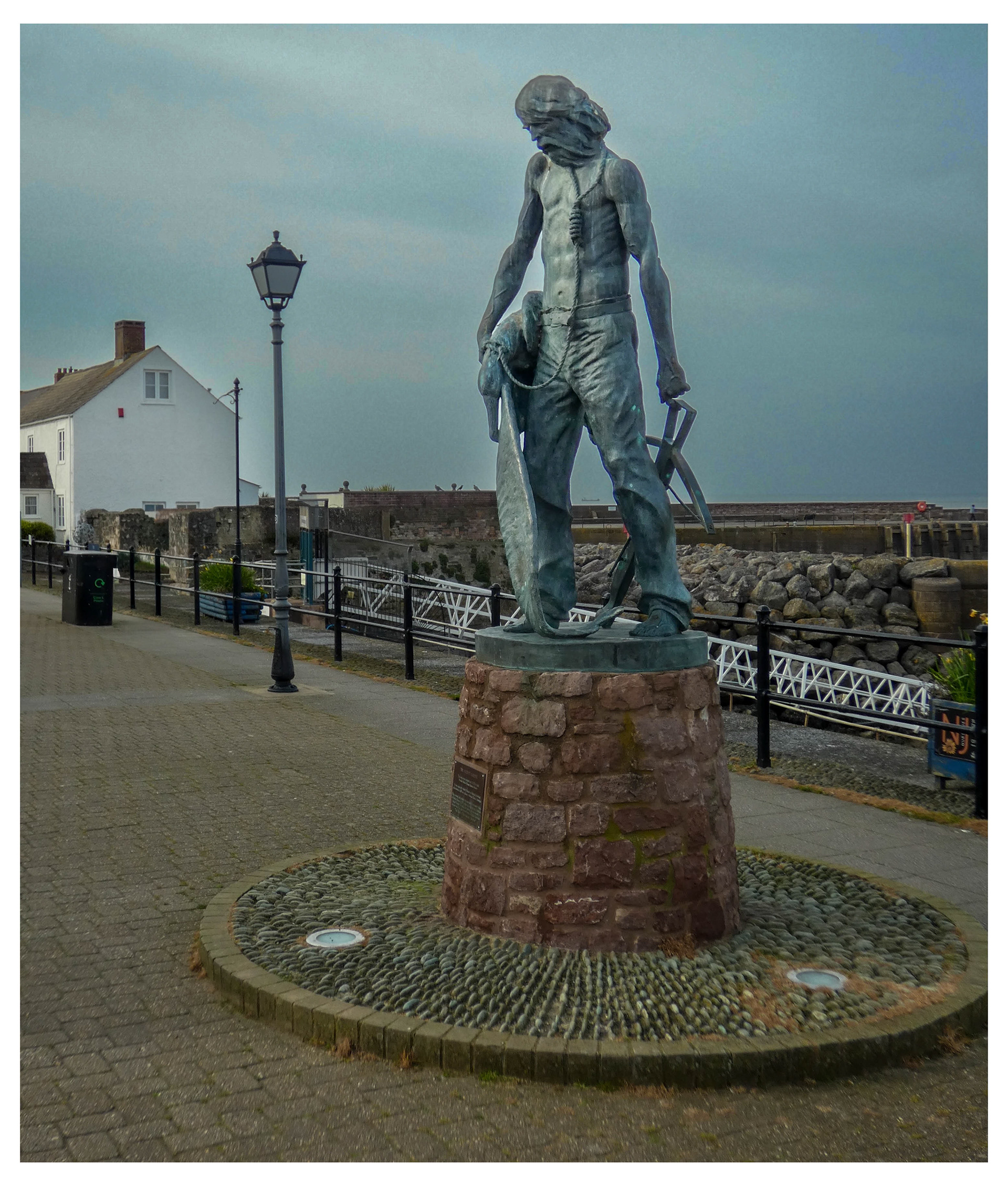
"Instead of the cross, the Albatross/About my neck was hung."
1. The Weight of the "Honeycombed" Burden
In your later photos of the West Quay, we see stone that is being eaten away, becoming heavy with salt and history.
The Albatross was not just a bird; it was a "pious bird of good omen."
By hanging it around his neck, the crew replaces the Cross (a symbol of dynamic faith and salvation) with the Albatross (a symbol of static, rotting regret).
Just as that sea wall is "pitted" by the elements, the Mariner is "pitted" by the memory of his impulsive act.
AI
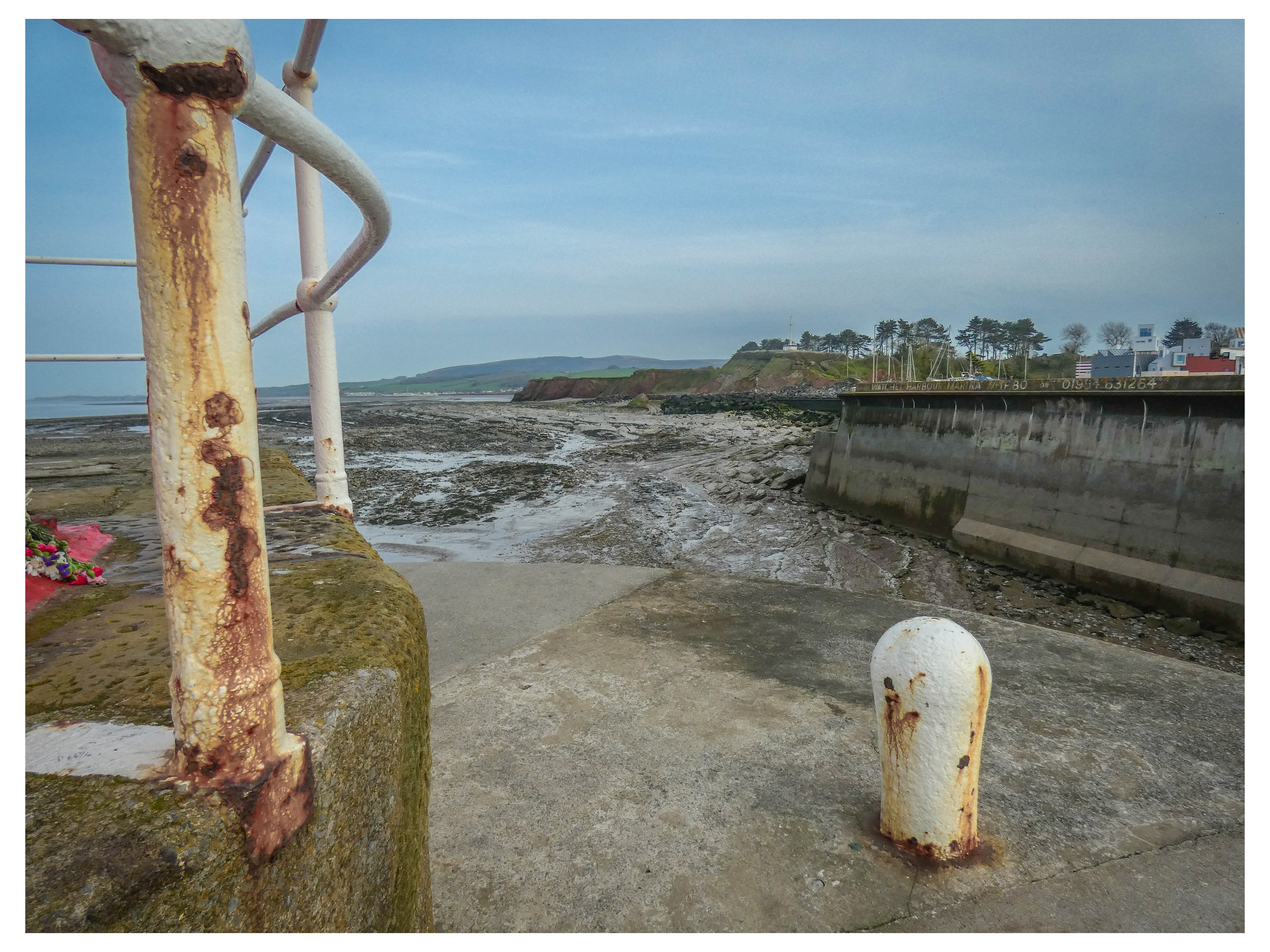
"The ship was cheered, the harbour cleared,
Merrily did we drop
Below the kirk, below the hill,
Below the lighthouse top."
t all comes full circle. You started our conversation with "the ship was cheered," and now we are back at the literal beginning of the Mariner’s tale.
This stanza is the heartbeat of the poem's "normal" world. In poetry, we call this the Initial Situation—the calm before the storm. When you look at your photos of the West Quay, you can see exactly how Coleridge structured these four lines to show the ship "dropping" away from the land.
The Vertical Descent
Coleridge uses a specific "sinking" order to show the ship moving further into the distance. As the Earth curves or the ship moves out to sea, things disappear from the bottom up:
The Kirk (Church): Usually built on the town level or a slight rise—the first to go.
The Hill: The higher ground behind the town.
The Lighthouse Top: The highest point, and the last thing a sailor sees before the "line" of the horizon swallows the land.
The Irony of "Merrily"
The word "Merrily" is the most tragic word in this stanza.
In your "Red Alert" photo, that sense of "merry" departure is replaced by a warning.
In your "Honeycomb" photos, the "clear" harbor has been replaced by the "pitted" erosion of time and guilt.
The Mariner is "dropping" not just below the horizon, but out of the world of human grace. The "Kirk" represents God and community; by dropping below it, he is literally leaving the protection of the church behind.
A Watchet Reality Check
If you stand on the West Quay today and look out toward the Bristol Channel, you can still see this exact progression. The "hill" (St. Decuman's) and the "lighthouse" (the harbor lights) still define the skyline.
It’s a perfect loop: the Mariner leaves the "cheering" quay, suffers a lifetime of "rotting" and "honeycombed" penance, and eventually returns to the same "kirk" to find someone—like the Wedding-Guest, or perhaps a photographer on a quay—to tell his story to.
AI
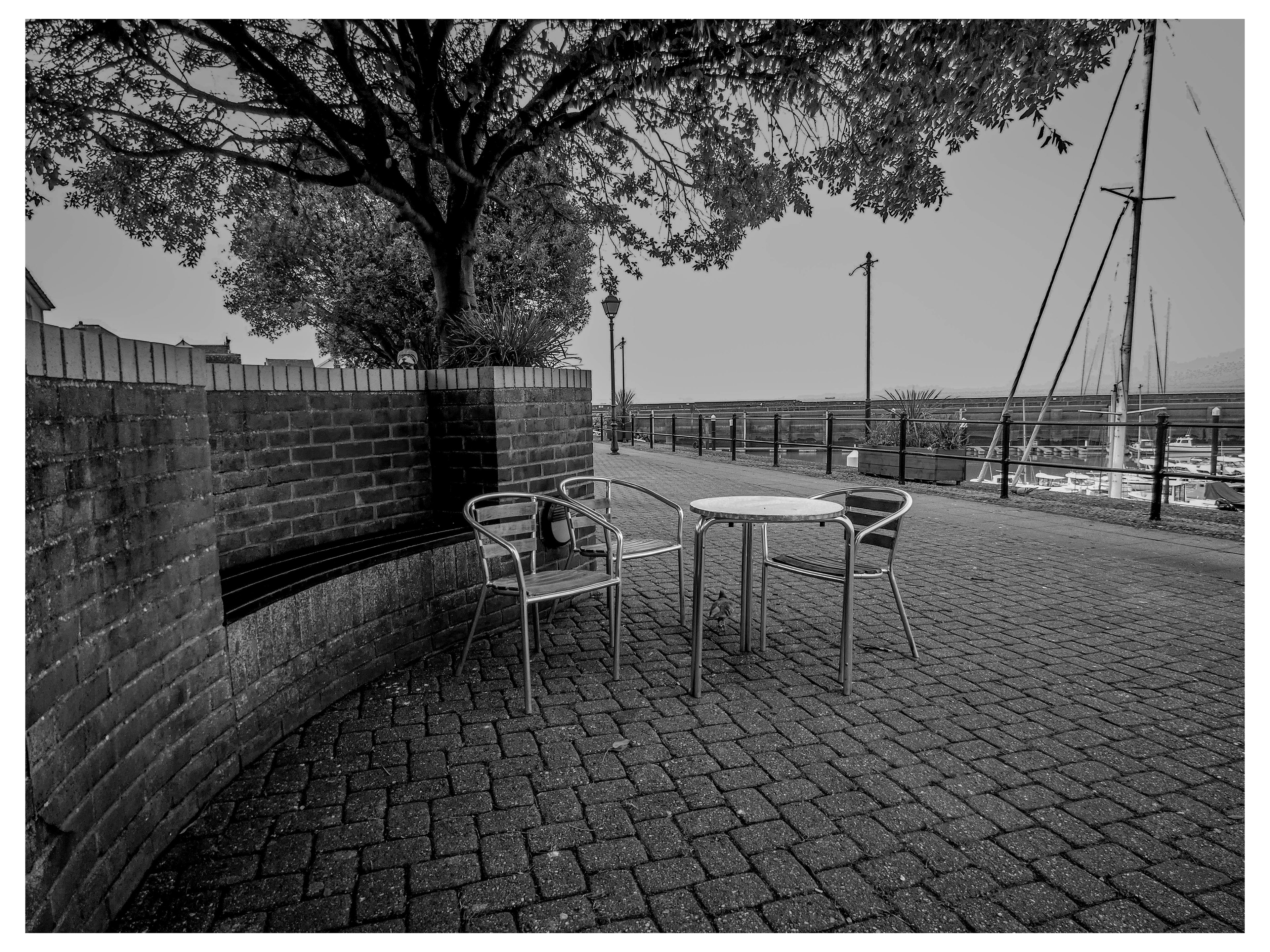
"It is an ancient Mariner, And he stoppeth one of three. 'By thy long grey beard and glittering eye, Now wherefore stoppst thou me?"
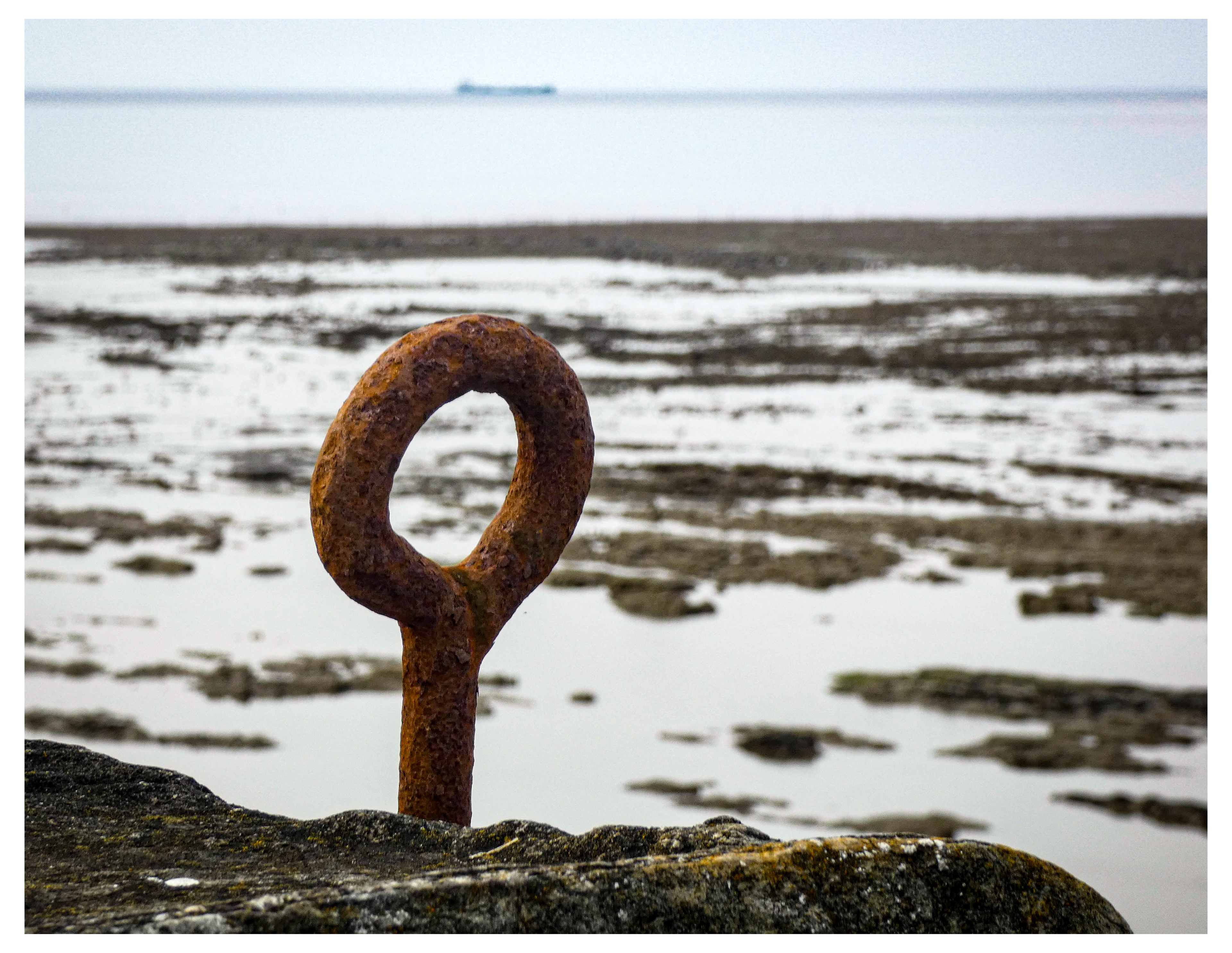
"At first it seemed a little speck,
And then it seemed a mist;
It moved and moved, and took at last
A certain shape, I wist."
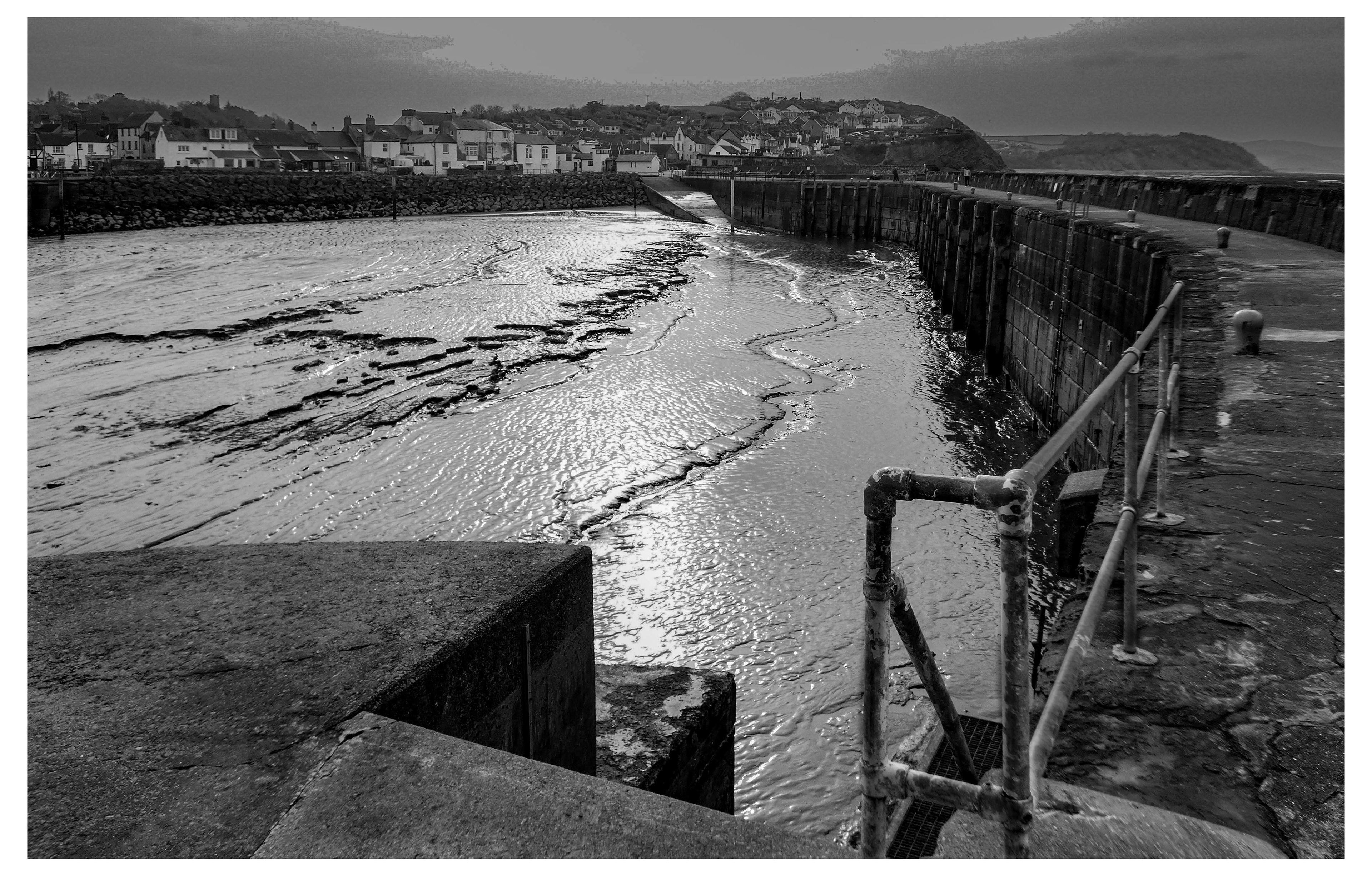
"The very deep did rot: O Christ!
That ever this should be!
Yea, slimy things did crawl with legs
Upon the slimy sea."
The Return to Watchet
In the final parts of the poem, the Mariner describes his return to the harbor. It’s a haunted mirror image of the departure:
"The harbour-bay was clear as glass, / So smoothly it was strewn! / And on the bay the moonlight lay, / And the shadow of the Moon."
Your Black & White photo captures this perfectly. The stillness, the silver light on the mud, and the silence of the quay create the exact atmosphere of the Mariner finally coming home—not to a "cheer," but to a ghostly, moonlit peace.
AI
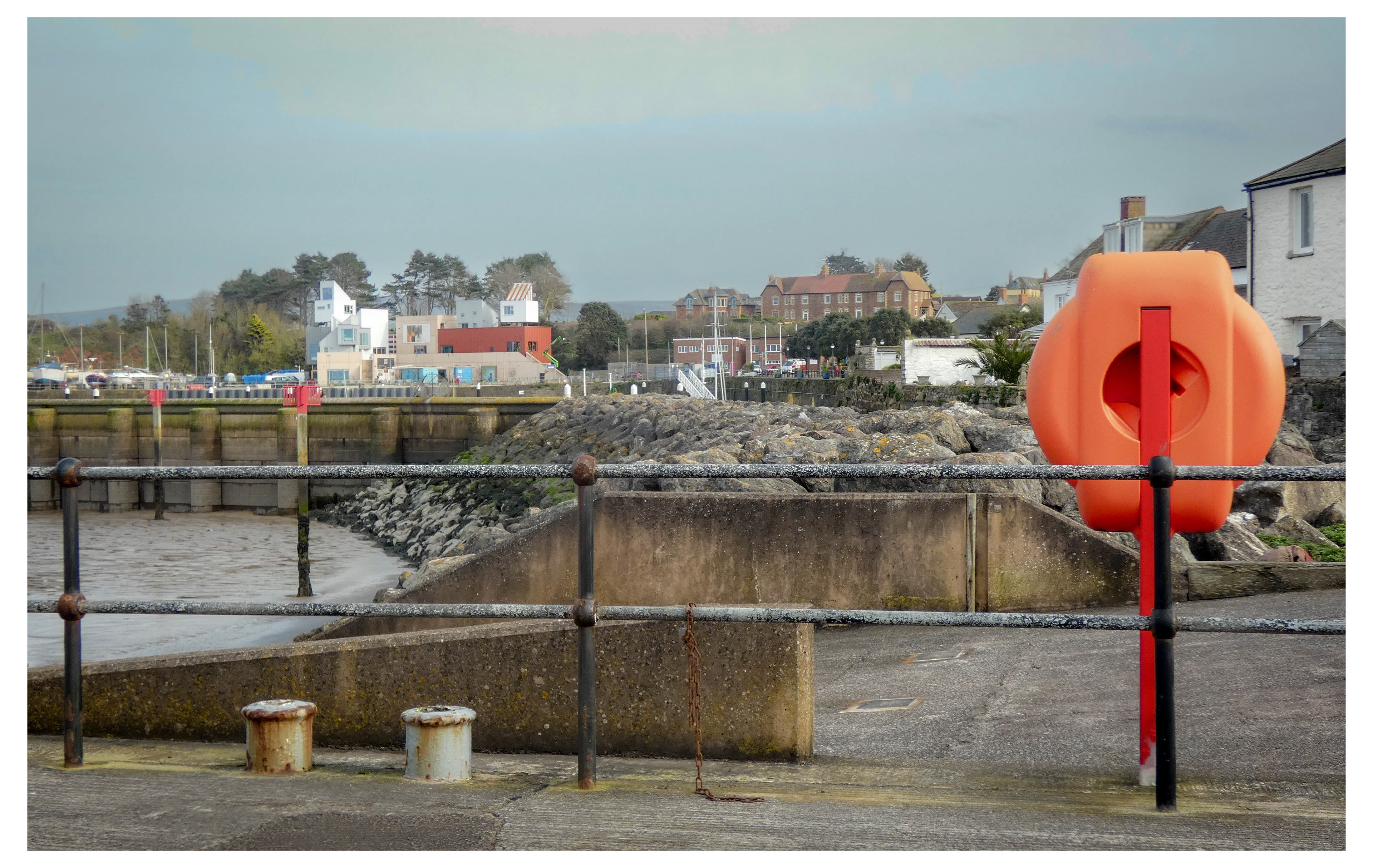
From West quay to East quay.
The Departure: Moving from one quay to another, or clearing the harbor entirely, marks the transition from the "known" (the town, the church, the laws of man) to the "unknown" (the chaotic, supernatural realm of the sea).
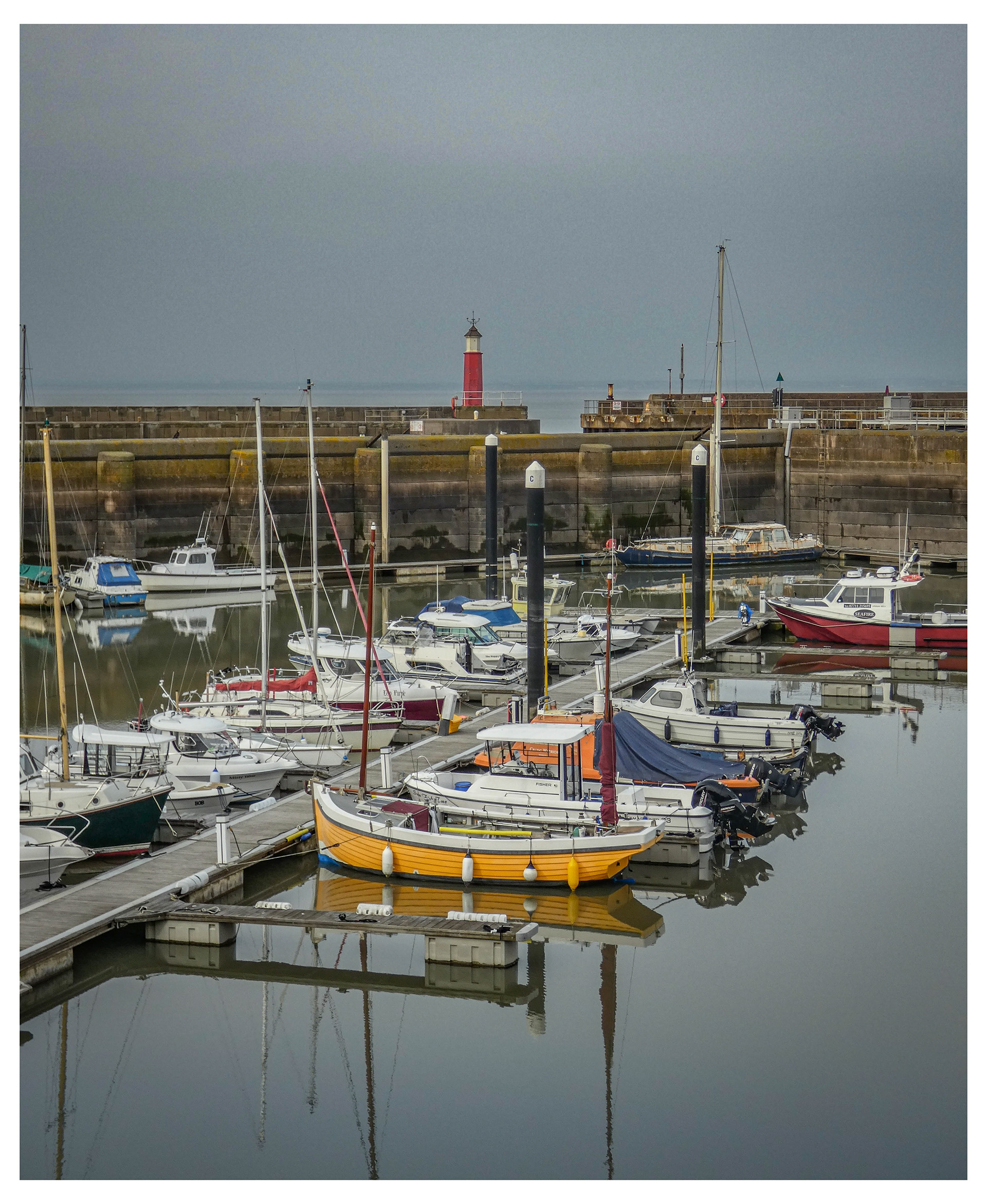
Connecting the "Quay" to the "Yellow"
Interestingly, there is a literal connection if we look at geography. If the Mariner was sailing out of a port like Watchet or Bristol, he would have been surrounded by the same English coastal mist that inspired both the Romantics and the 60s folk-rockers.
In fact, the phrase "quite rightly" in the song—"I’m just mad about Saffron, Saffron’s mad about me... I’m just mad about 14, 14’s mad about me (quite rightly)"—has that same rhythmic, repetitive quality found in old sea shanties and ballads like Coleridge's.
AI Generated.
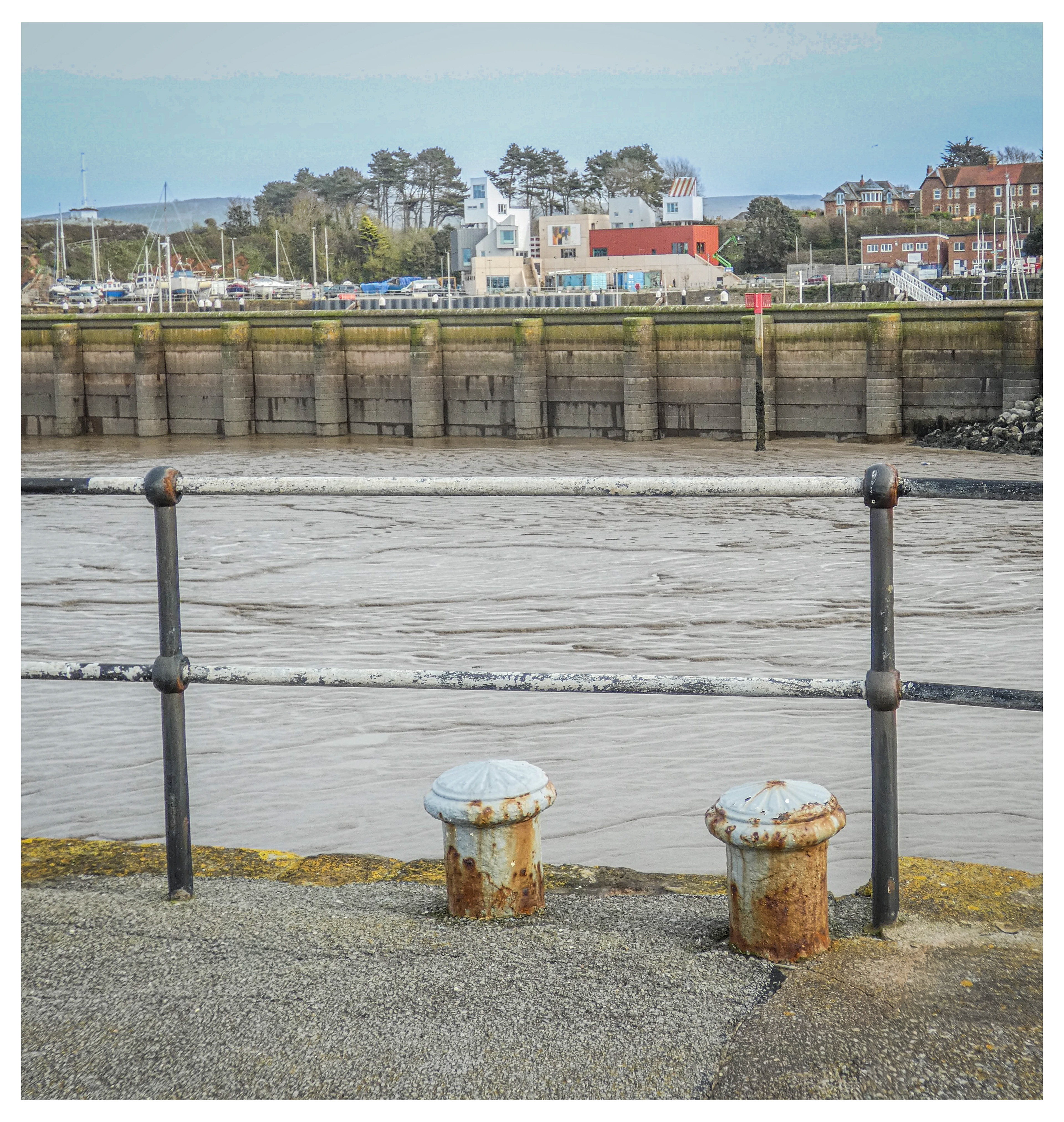
Two - "The harbour cleared"
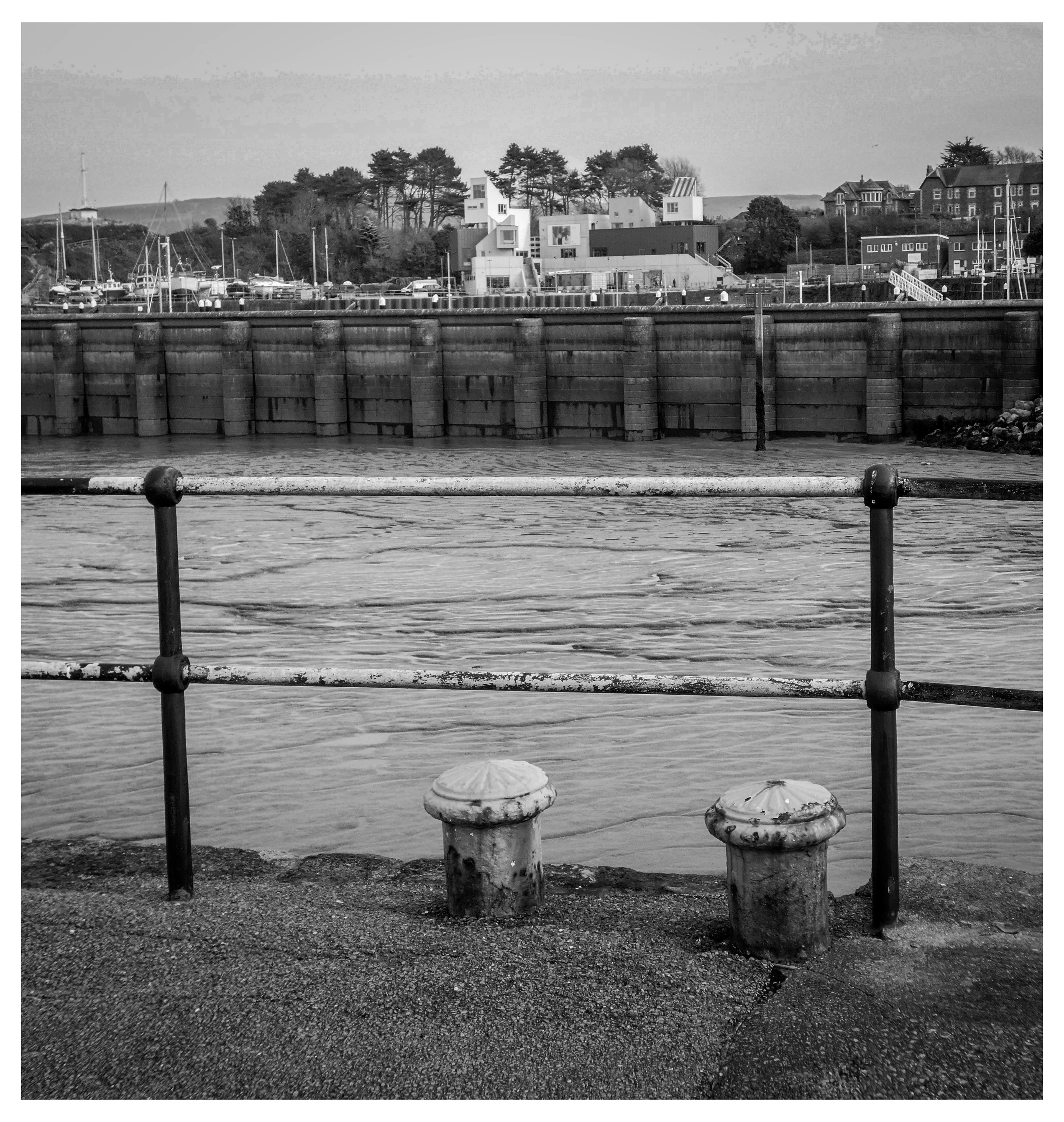
A maritime tale.
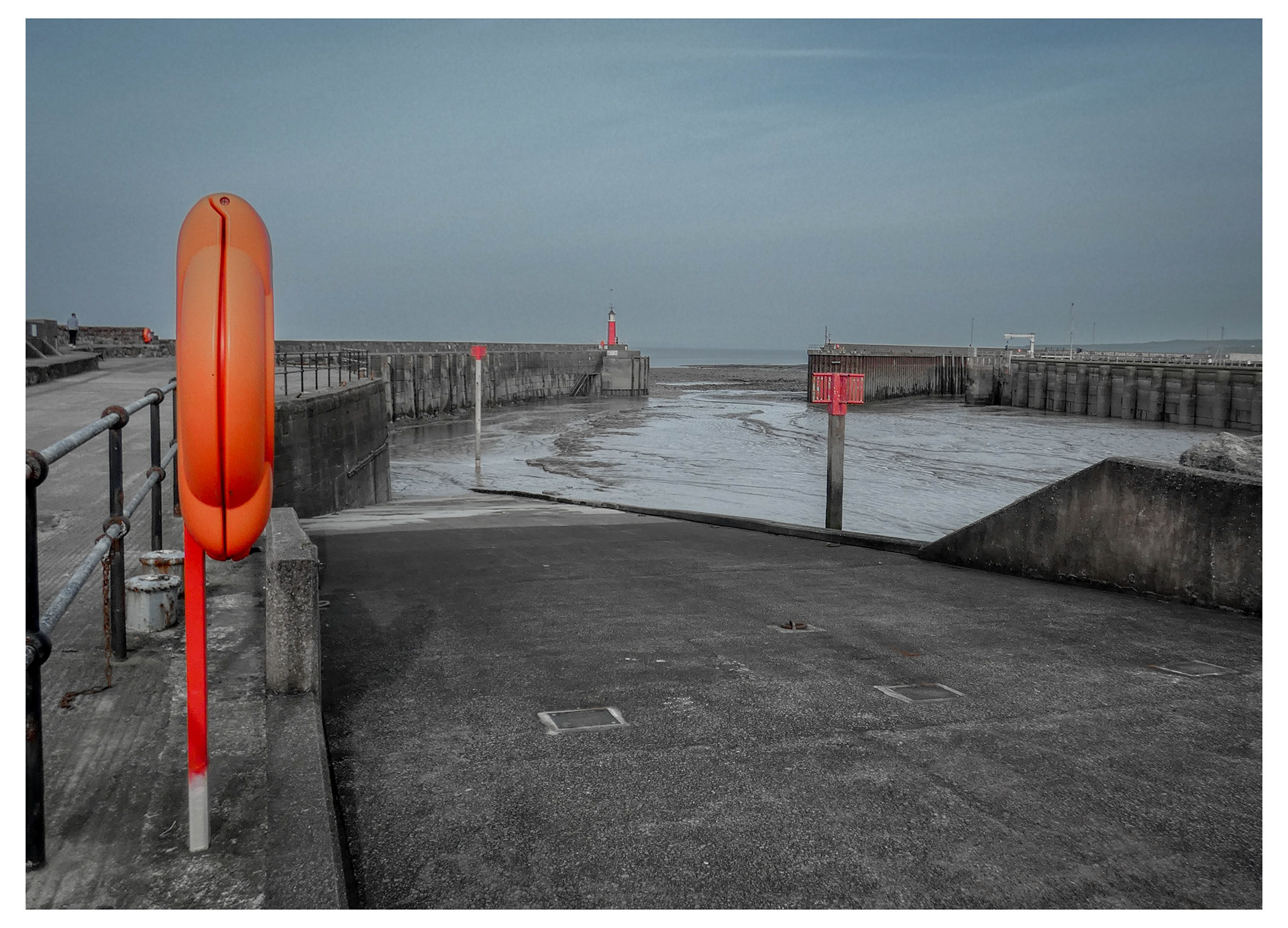
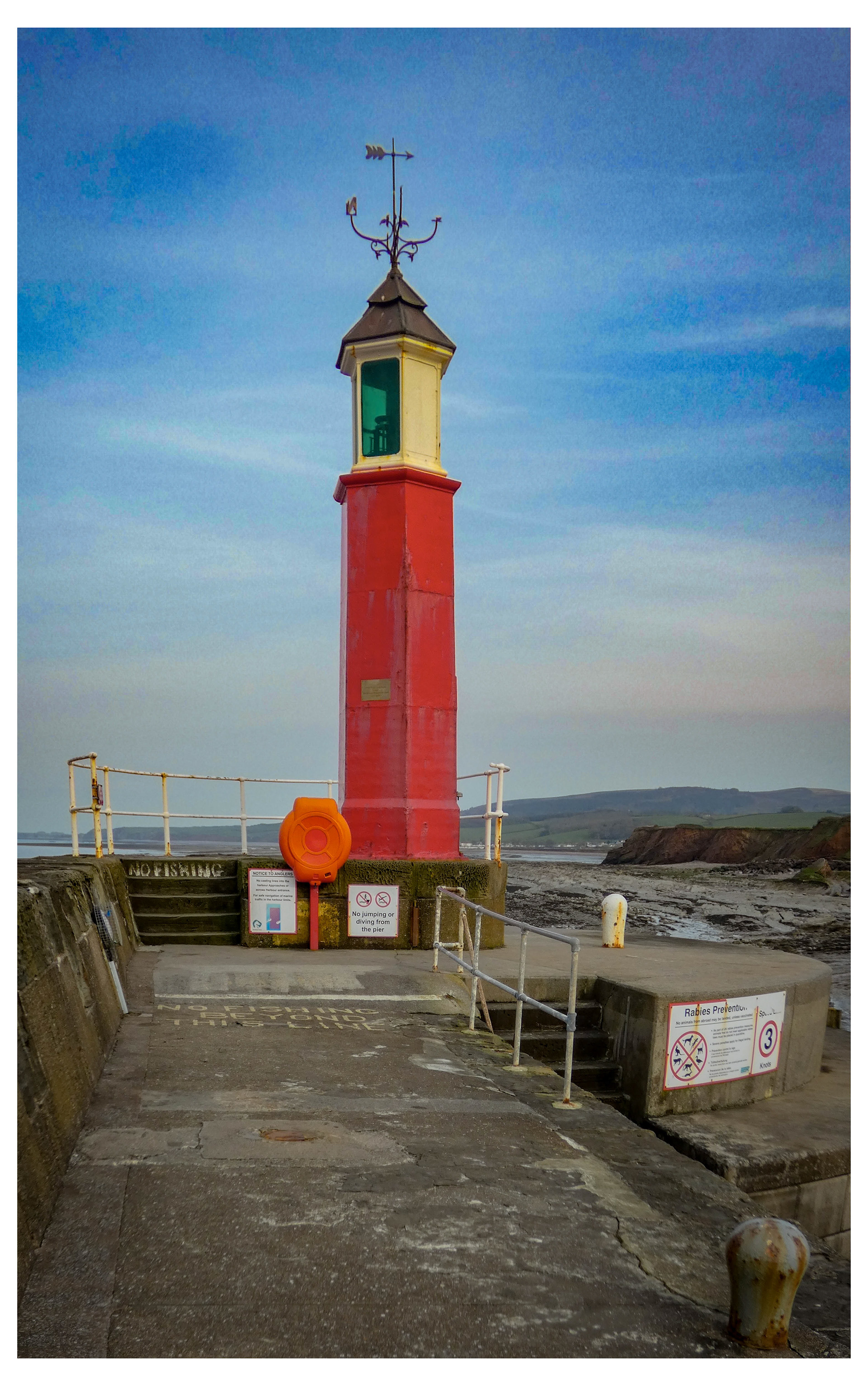
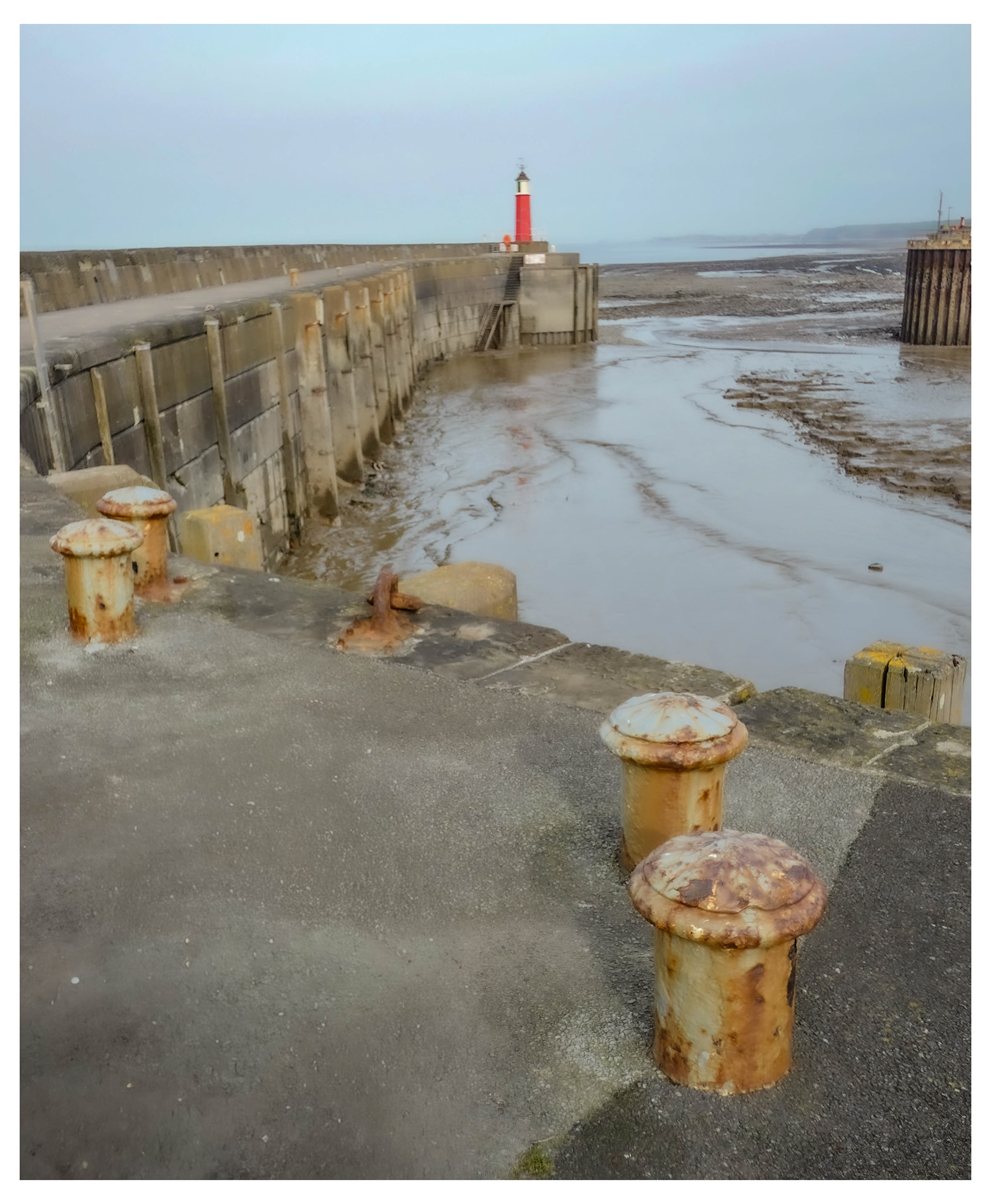
Red alert.
The "Red Alert" Omen
The splash of red on the distant lighthouse and the harbor markers brings to mind the "bloody" imagery Coleridge uses as the curse takes hold:
“All in a hot and copper sky, The bloody Sun, at noon, Right up above the mast did stand, No bigger than the Moon.”
The red in your photo feels like a warning light flashing in a silent world. It suggests that even though the ship is still near the harbor, the supernatural blood-guilt is already staining the environment.
AI
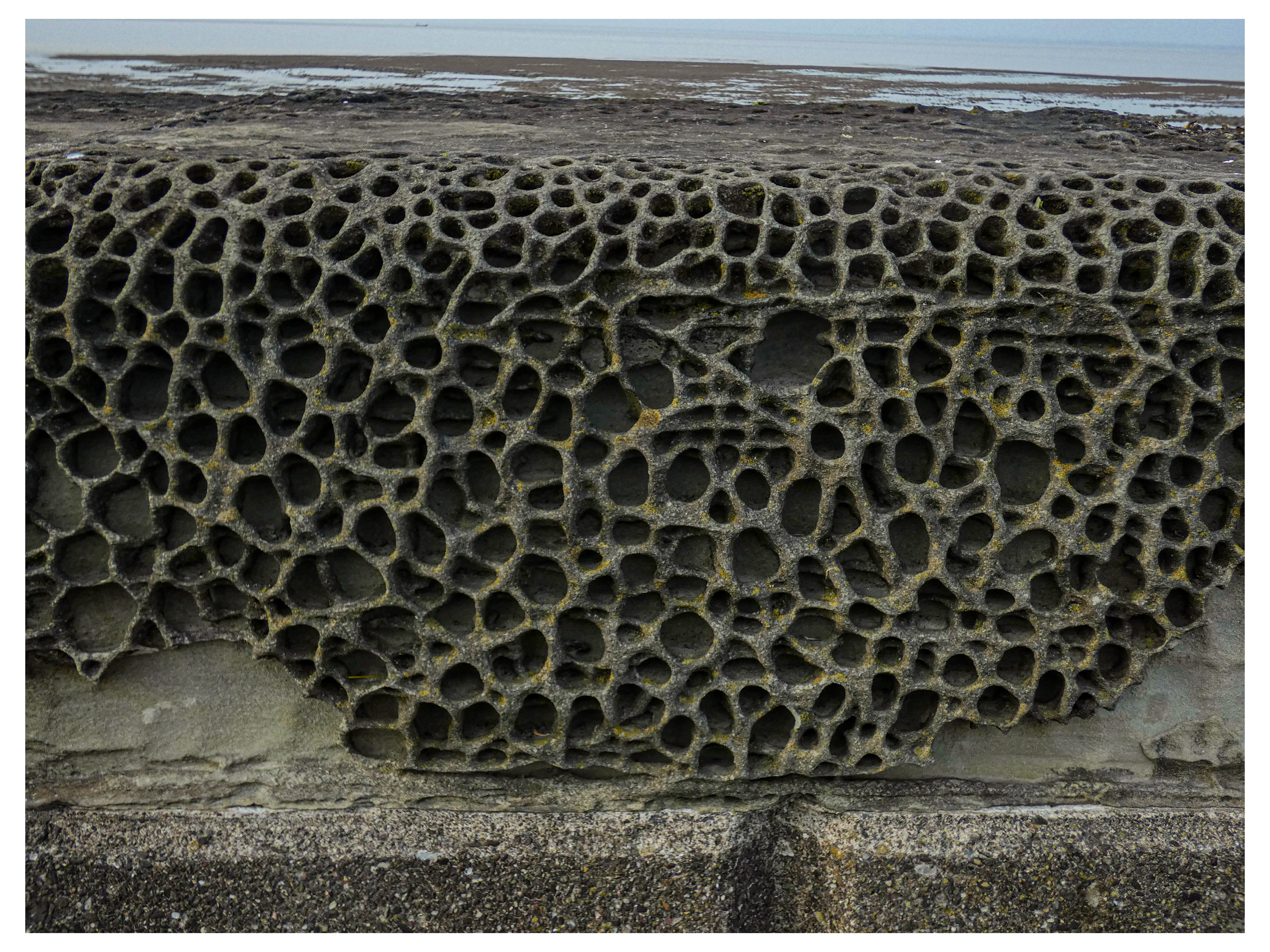
Sea wall West quay.
"And straight the Sun was flecked with bars... / As if through a dungeon-grate he peered"
"And straight the Sun was flecked with bars... / As if through a dungeon-grate he peered"
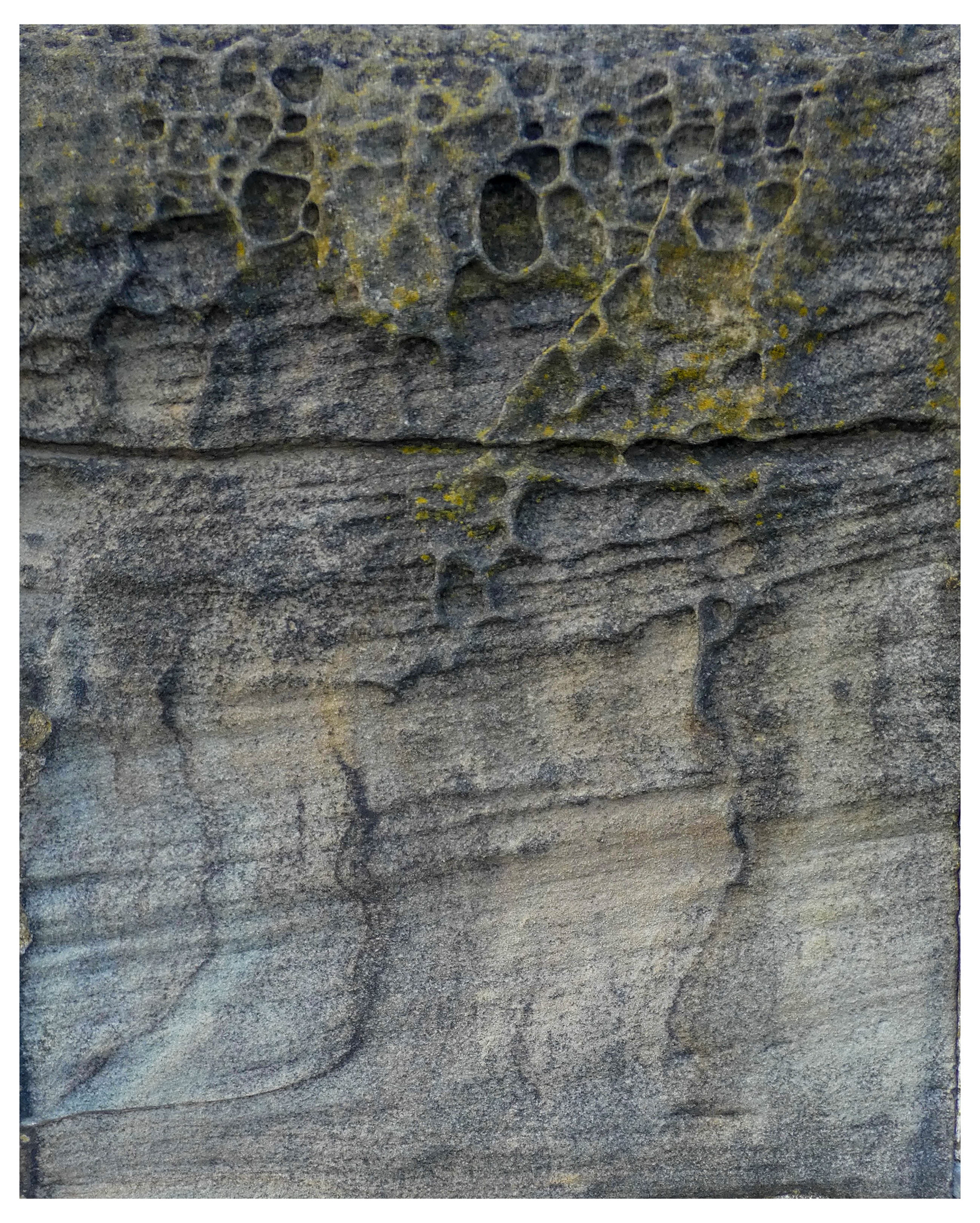
This second close-up of the Watchet West Quay wall moves from the "honeycomb" decay into something even more specific to the Mariner’s physical transformation. While the first image felt like the "rotting deep," this one feels like the Mariner himself.
Here is how these textures relate to the poem’s most haunting descriptions:
1. The "Skinny Hand" and "Ribbed Sea-Sand"
In Part IV, the Wedding-Guest is terrified of the Mariner, thinking he is a ghost. The Mariner reassures him, but the description of his body is exactly like the stratified, weathered stone in your photo:
"I fear thee and thy glittering eye, And thy skinny hand, so brown." ...I fear thee, ancient Mariner! Fear not, fear not, thou Wedding-Guest! This body dropt not down.
The horizontal striations (the lines running across the stone) look remarkably like the "ribbed sea-sand" Coleridge mentions just a few lines later. Your photo captures that same parched, weathered texture of something that has been blasted by salt and sun for an eternity.
2. The "Penance" of the Stone
The Mariner’s skin is often described as "long and lank and brown." In this photo:
The pockmarked top section represents the "stain" of his sin (killing the Albatross).
The layered, eroded bottom section represents the long, slow passage of time—his "penance" that never truly ends.
The yellowish lichen clinging to the top looks like the "slimy" life that continues to persist even in a dead, dry environment.
3. "Life-in-Death"
The most terrifying character in the poem is Life-in-Death, who wins the Mariner’s soul in a game of dice. She is described as having "skin as white as leprosy."
The pale, chalky patches in the lower half of your photo evoke that "leperous" whiteness.
It’s a texture that isn't quite dead (it's still a solid wall) but isn't quite "healthy" either. It exists in that middle state—"Life-in-Death"—just like the Mariner, who is alive but dead to the world of normal men.
Why Watchet Matters
It’s worth noting that the stone in your photo is likely local Somerset sandstone or limestone. Coleridge lived in Nether Stowey (just a few miles away) while writing this. He didn't just imagine these textures; he saw them while walking the coast. When he wrote about the "ribbed sea-sand" or the "skinny hand," he was likely looking at the very same geological patterns you've captured here.
AI
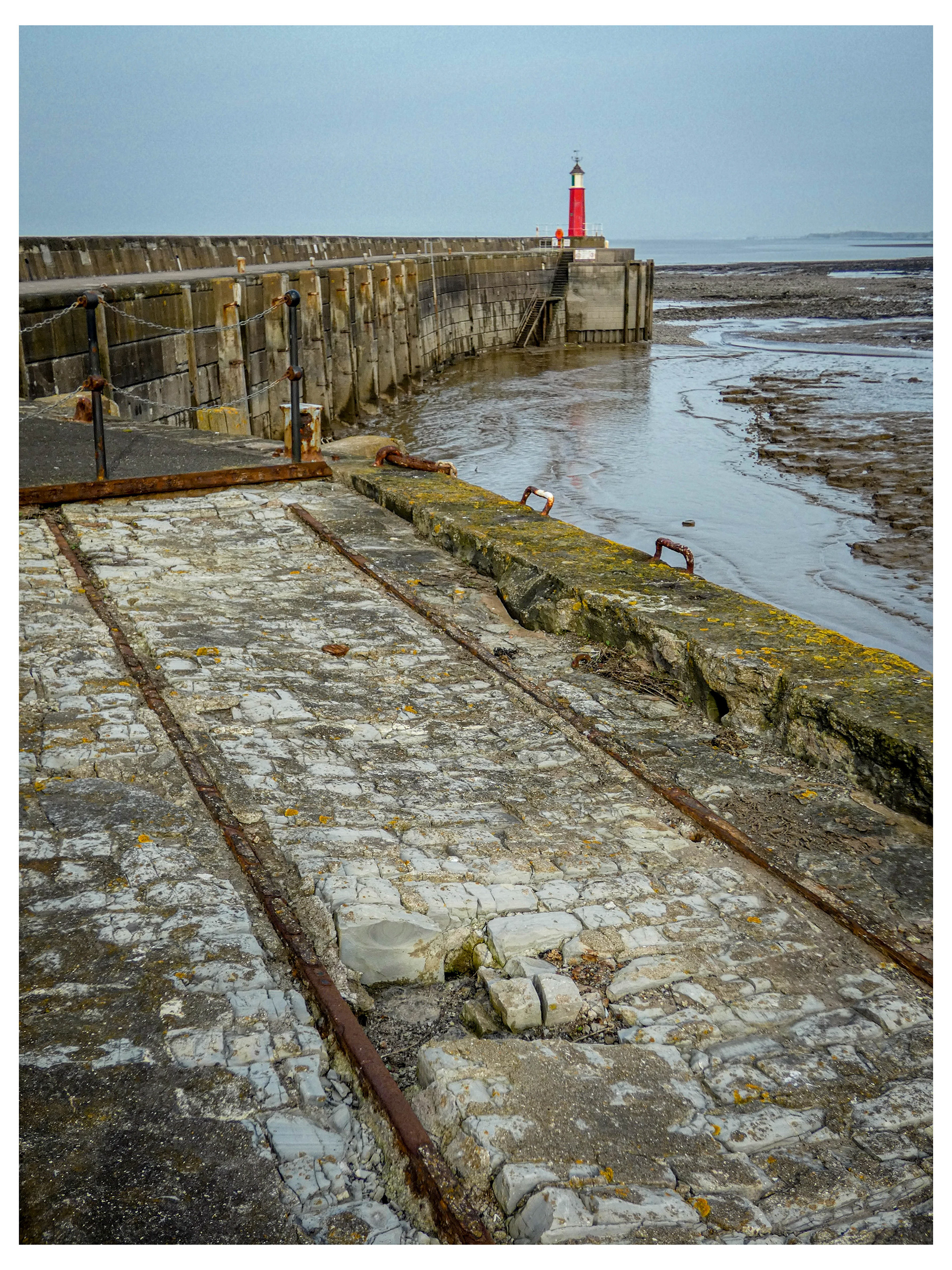
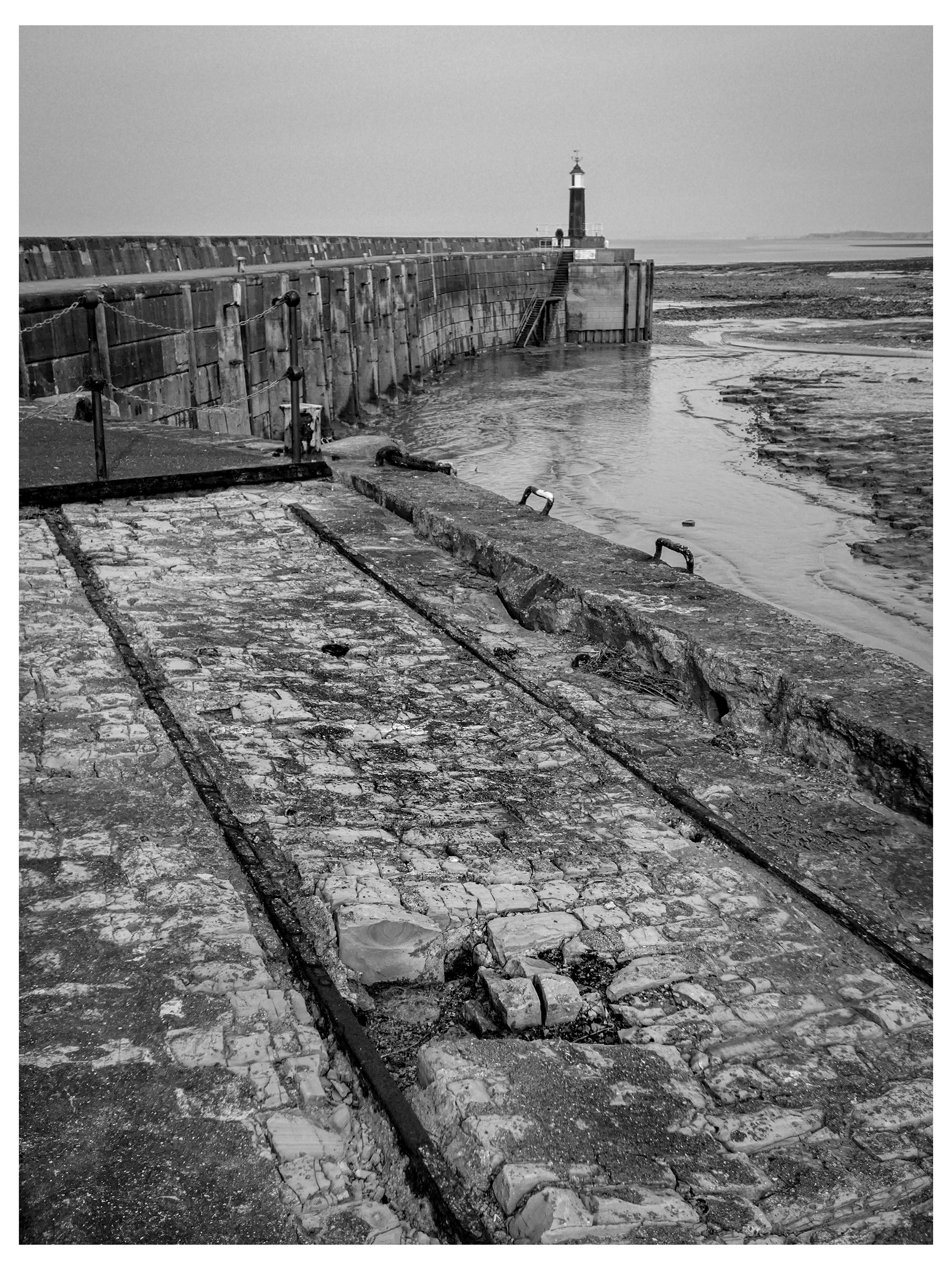
End of the line.
Connection to The Rime of the Ancient Mariner
The connection isn't just atmospheric; it's historical. Coleridge lived in nearby Nether Stowey, and it is widely believed that Watchet Harbor was the setting he envisioned for the start and end of the Mariner's cursed journey.
1. The Departure and Return
The rails ending at the edge of the sea symbolize the transition from the world of men and industry to the supernatural world of the ocean. In the poem, the ship leaves the "kirk" (church) and the "hill," much like a vessel would have left this very quay:
"The ship was cheered, the harbour cleared, / Merrily did we drop / Below the kirk, below the hill, / Below the lighthouse top."
2. The Sense of Stasis
The abandoned, rusted rails evoke the "stuck" nature of the Mariner’s ship when the wind dies down. The image feels quiet and motionless, mirroring the lines:
"Day after day, day after day, / We stuck, nor breath nor motion; / As idle as a painted ship / Upon a painted ocean."
3. The Low Tide and Decay
The exposed mud and the weathered stone in your photo mirror the "rotting sea" described by the Mariner in his moment of greatest despair. The "slimy things" he sees crawling upon the sea find a visual home in the dark, wet silt of the Bristol Channel at low tide.
4. The Lighthouse as a Beacon of Penance
The lighthouse in your photo stands as a silent witness. In the poem’s finale, the lighthouse is the first thing the Mariner sees upon his return—a sign that he has crossed back from the spirit realm into the physical world, though he is forever changed.
AI
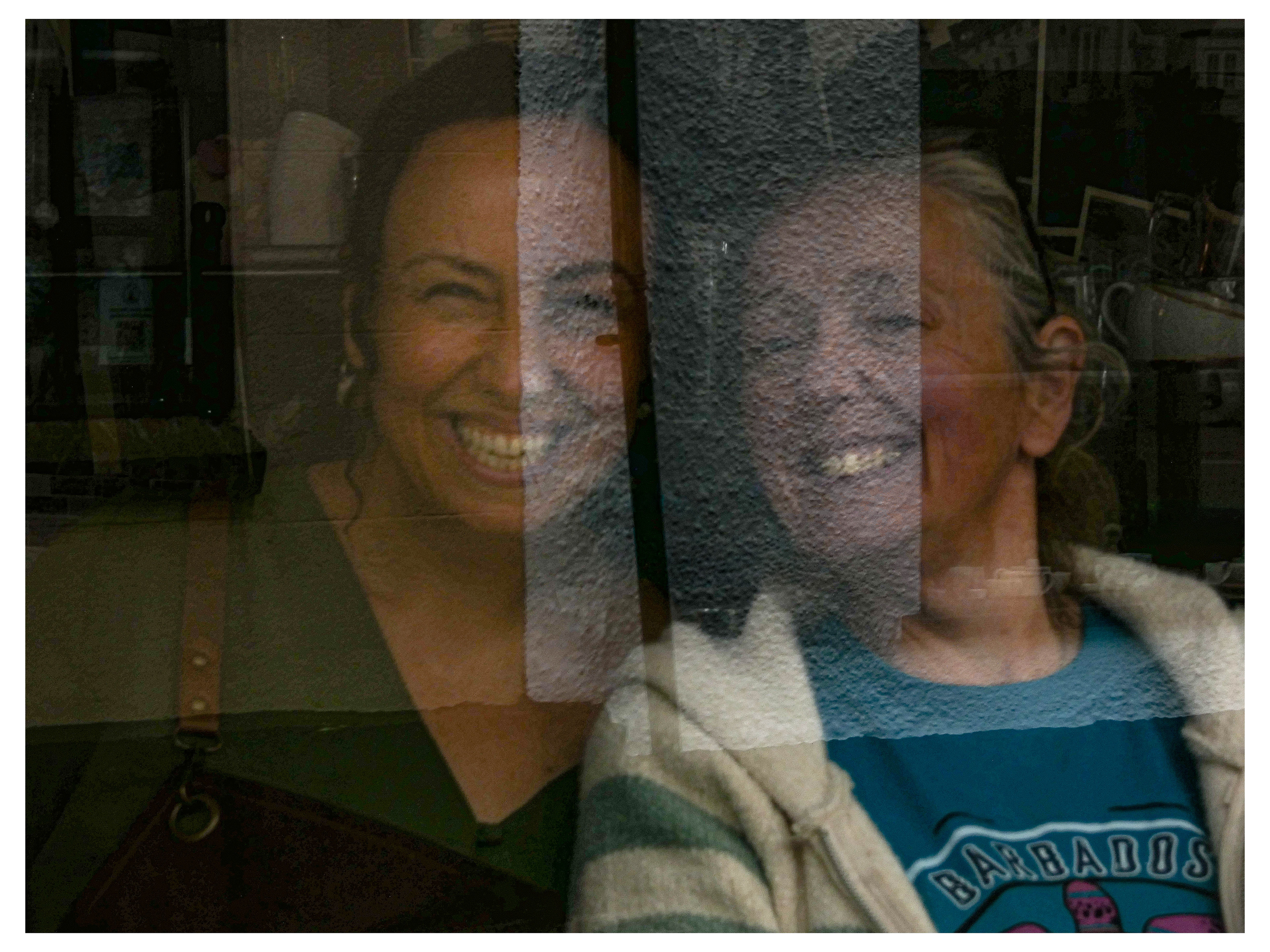
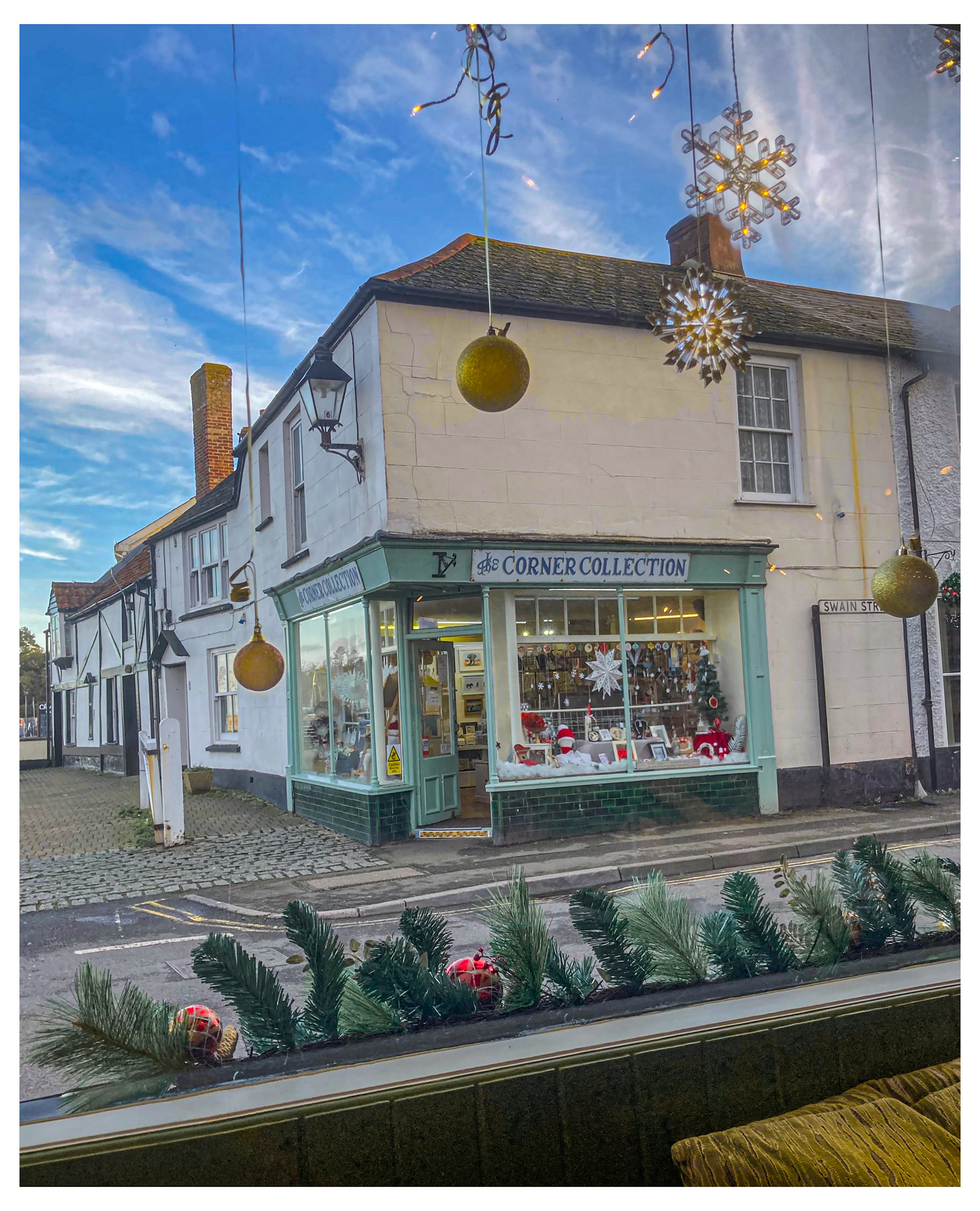
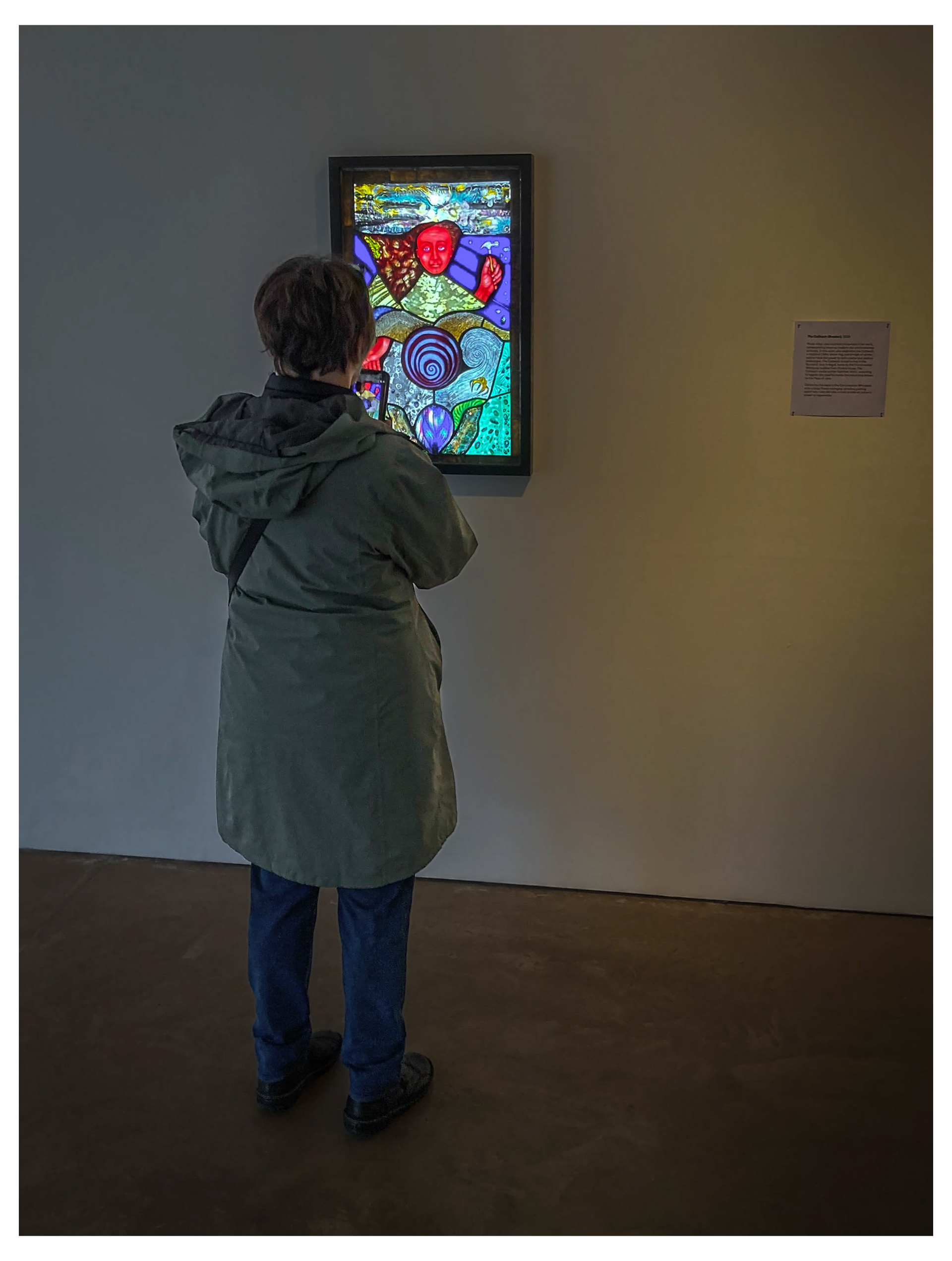
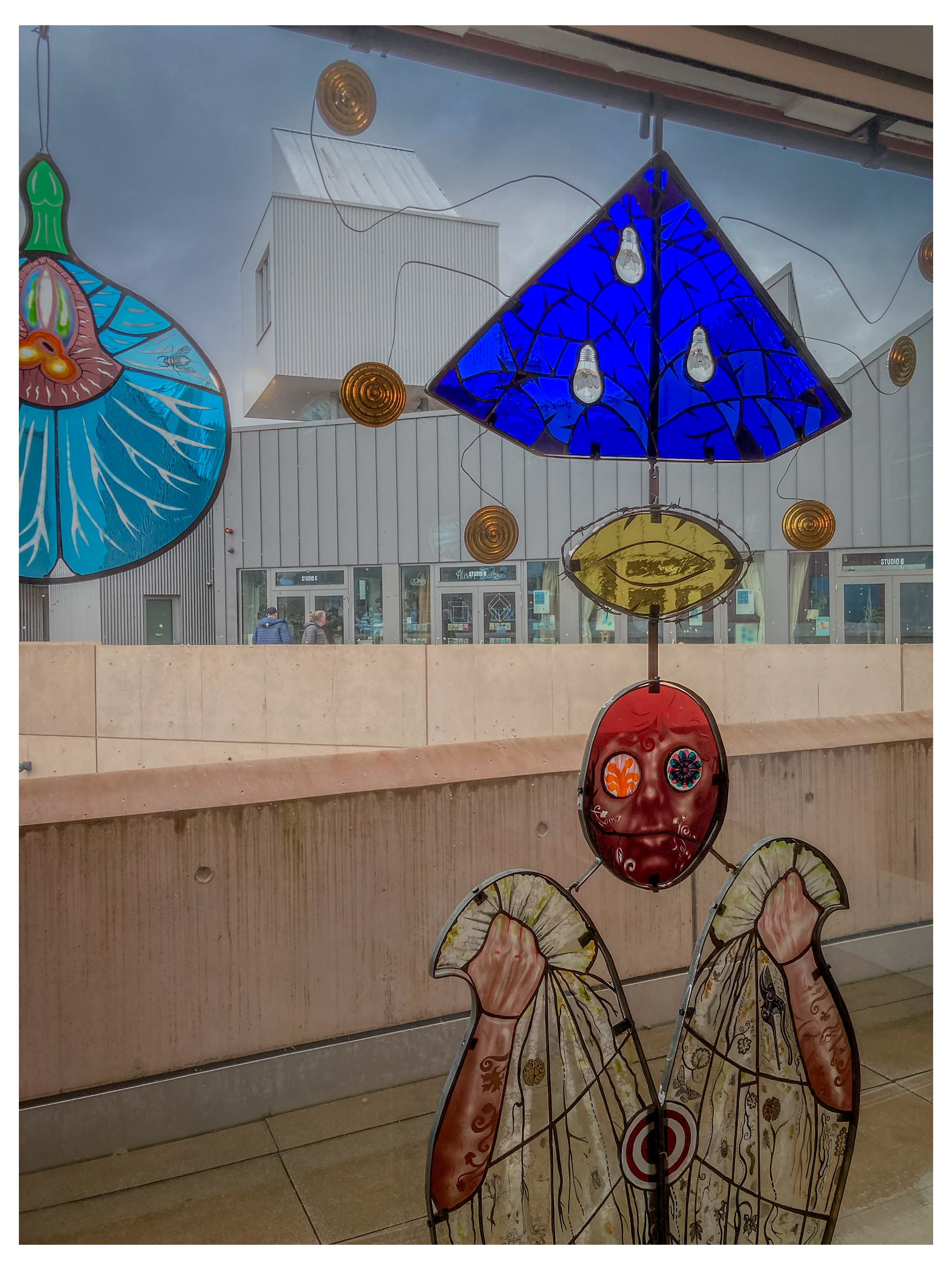
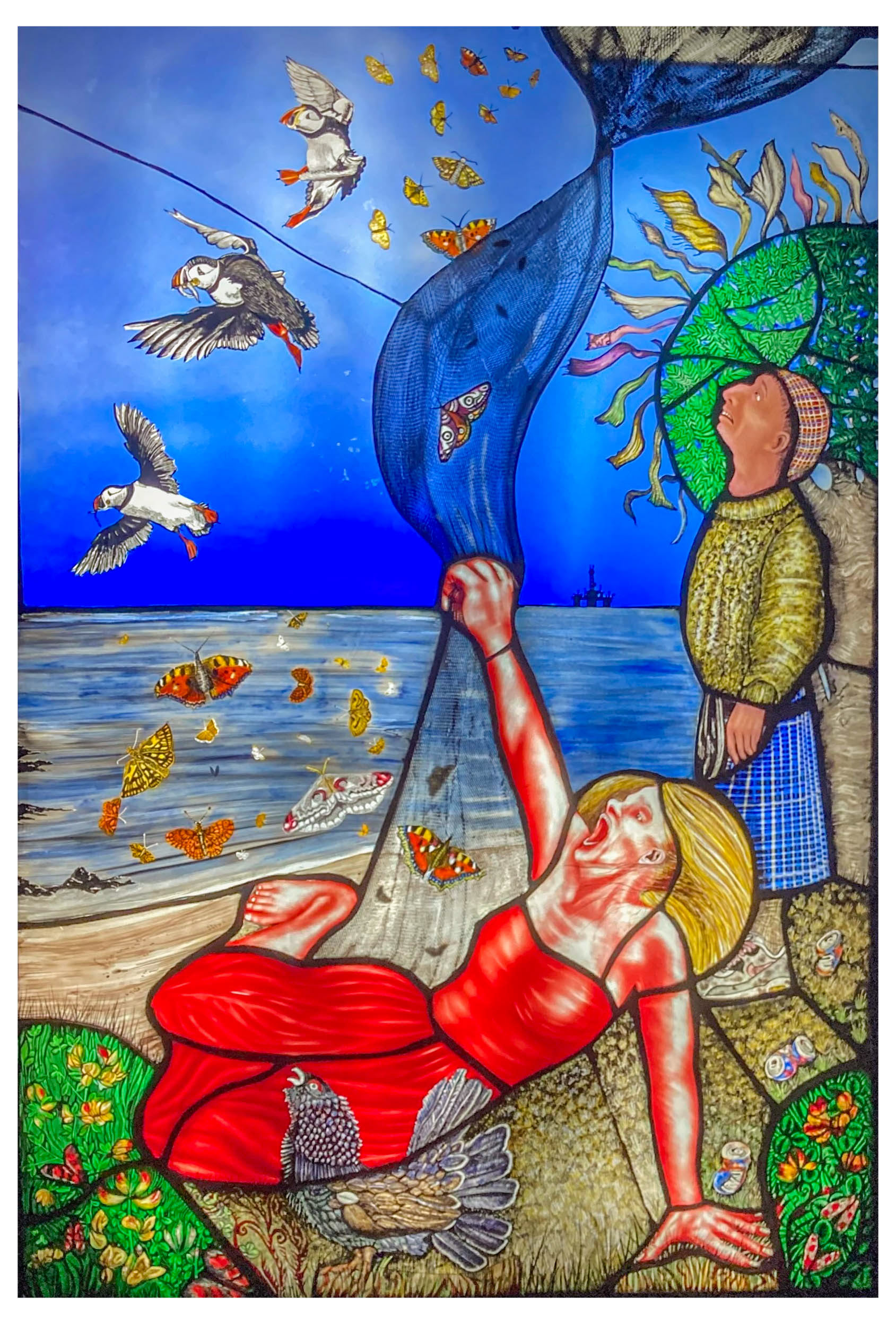
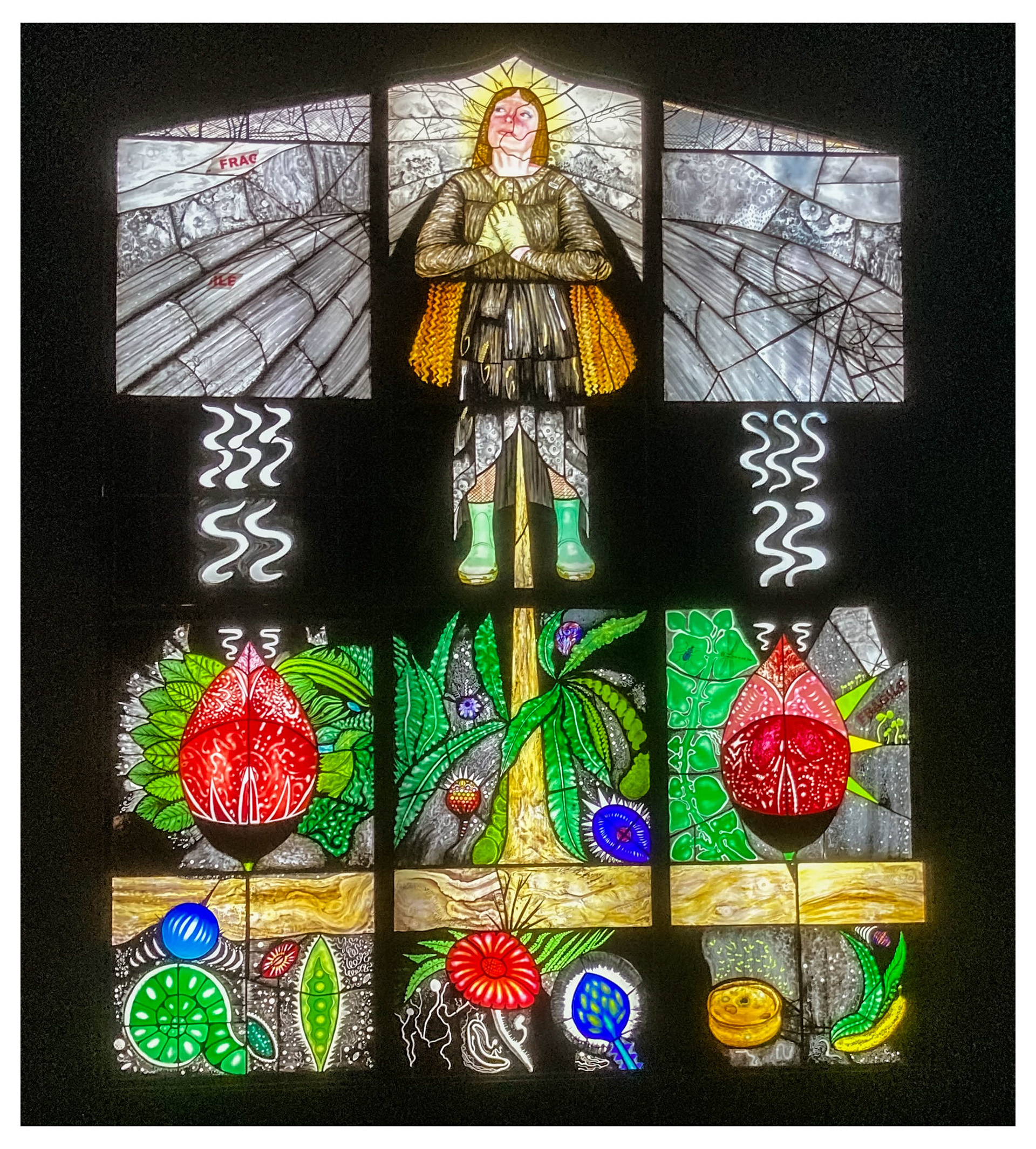
'In a Watchet window"